

The 4th International SME Convention, organized by the India SME Forum in collaboration with the Department for Promotion of Industry and Internal Trade (DPIIT), Government of India, represents a decisive step in India’s mission to globalize its MSMEs. Bringing together delegates from more than 50 countries, this edition moves beyond dialogue to actionable business outcomes through a hosted buyer programme that directly connects international clients with Indian suppliers.
More than a trading platform, the convention serves as a dynamic learning ground for MSMEs to understand global standards, enhance export readiness, and build competitiveness. As AI, automation, and Industry 4.0 technologies continue to redefine industries, the convention underscores a critical balance, driving technological adoption while ensuring employability. Supported by robust government policies and a vibrant entrepreneurial spirit, India’s 70 million MSMEs are well-positioned to power innovation, boost exports, and foster inclusive economic growth.
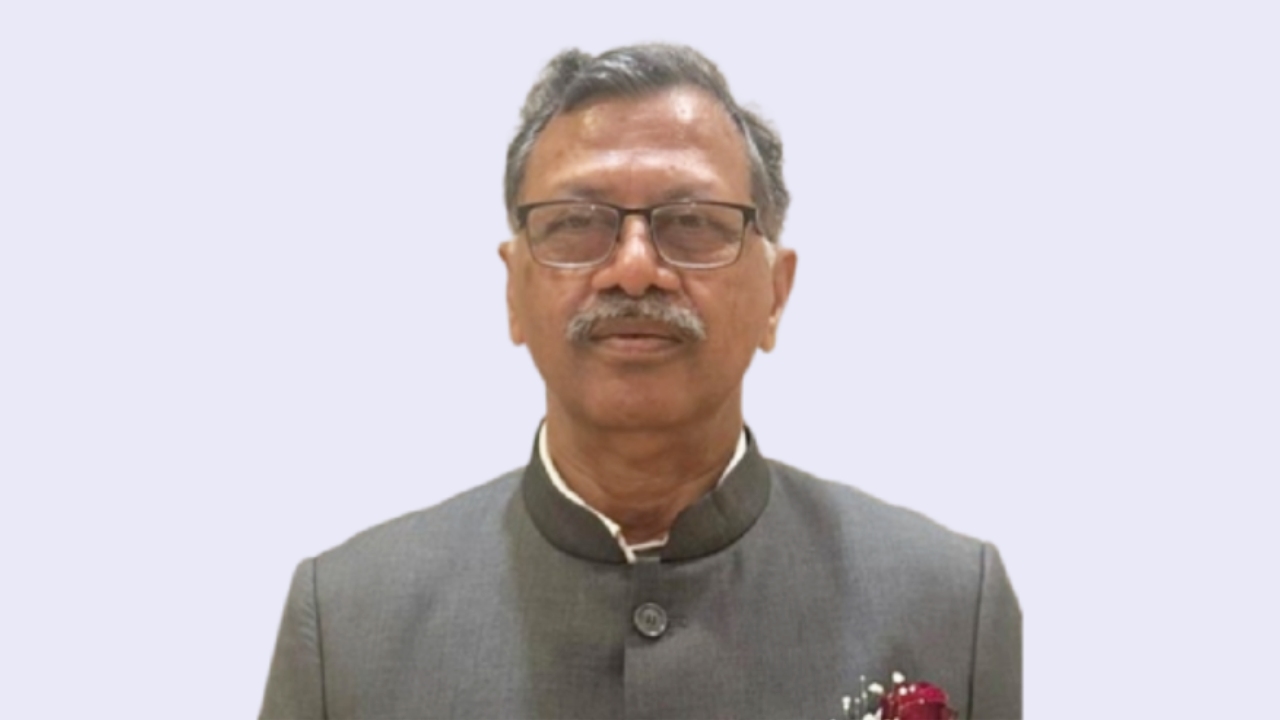
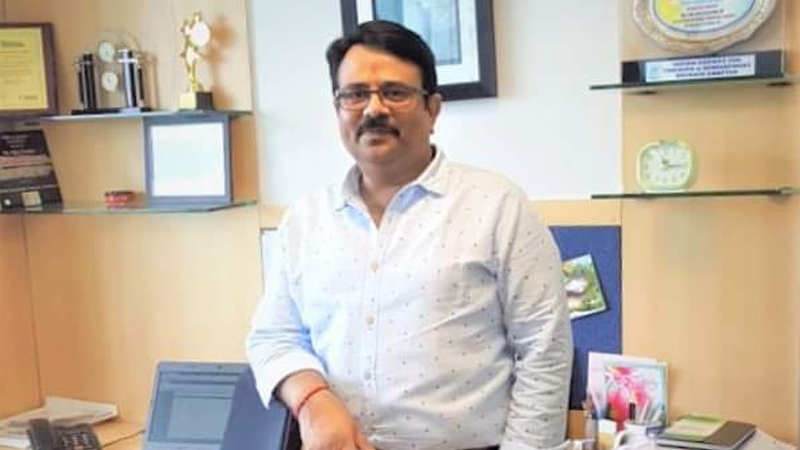
Against this backdrop, The Interview World engaged in an insightful conversation with Sushma Morthania, Director General of the India SME Forum. In this discussion, she elaborated on the far-reaching impact of the latest edition of the International SME Convention and outlined the Forum’s initiatives to enable select MSMEs from multiple countries to participate and gain from the platform. She further emphasized emerging business opportunities, projected the growth trajectory of MSMEs over the next 5 to 10 years, and examined how AI and automation are transforming the sector. Importantly, she argued that automation need not limit employment; instead, with the right skilling initiatives, it can create new avenues for productive and sustainable work.
What follows are the key insights from her compelling conversation.
Q: With the 4th International SME Convention hosting delegates from over 50 countries, how would you assess the impact of this edition compared to previous ones?
A: In previous editions, we invited international delegations to participate, exchange ideas, and explore business opportunities, both in India and in their respective countries. These interactions featured presentations from various nations as well as from Indian states, showcasing central and state-level offerings and potential areas of partnership.
However, this year’s edition marks a significant shift. For the first time, we have carefully selected MSMEs, or rather, SMEs, from several countries and invited them to participate in a Hosted Buyer Programme. Through this initiative, we are connecting international buyers directly with Indian MSMEs, enabling them to engage, collaborate, and establish supplier relationships.
The objective is clear: to promote and expand MSME exports while simultaneously strengthening their capacities. The programme also serves as a platform for Indian entrepreneurs to understand critical aspects of global trade, from phytosanitary measures and regulatory barriers to mandatory export requirements in different markets.
In addition, we are undertaking a detailed sector-wise and HS code–based mapping of both buyers and MSME suppliers. This structured approach ensures that each international participant finds the right Indian partner, making every engagement targeted, productive, and results-driven.
Q: What kinds of business opportunities do conventions like this create, and specifically in this 4th edition, what level of business engagement or potential joint ventures do you anticipate between international clients and Indian SMEs?
A: I wouldn’t claim that a specific value of business will be finalized over the next two days, because exports operate through a structured process, from initial agreements to detailed deal memos. At this stage, we are formalizing the intent to collaborate. Over the next three to five months, we expect these engagements to evolve through continuous discussions and follow-up meetings. Ultimately, these B2B interactions are poised to translate into concrete orders, regular shipments, and long-term export partnerships.
Q: With over 70 million MSMEs making a significant contribution to India’s economy and exports, how do you envision the growth trajectory of the MSME sector over the next 5 to 10 years?
A: The opportunities ahead are immense; truly, the sky is the limit. Across the country, we see a surge of start-ups, a thriving culture of innovation, and a new generation eager to build their own enterprises rather than seek traditional employment. This entrepreneurial energy signals a vibrant and promising future for India’s business ecosystem.
The government and policymakers are working relentlessly to strengthen this momentum. Their efforts to enhance the ease of doing business for MSMEs reflect a deep understanding of what entrepreneurs need to grow and compete globally. They are aligning policies, streamlining processes, and creating an enabling environment that motivates and supports young innovators to start new ventures.
With this strong policy support, dynamic youth participation, and a growing spirit of enterprise, the future of India’s MSMEs shines exceptionally bright.
Q: How do you assess the impact of AI and automation on the MSME sector, and how prepared are these enterprises to adopt and leverage such emerging technologies?
A: That is an area where much more work and awareness are still needed. While most people now recognize that automation defines the future, MSMEs must also embrace digitalization and new technologies to enhance efficiency. Given their limited resources, smaller budgets, and expanding responsibilities, automation offers them a powerful means to achieve more with less.
When we talk about smart factories, Industry 4.0, and industrial automation, it becomes clear that India must accelerate the adoption of advanced technologies. Equally important, we need to build more collaborative platforms that bring emerging global technologies to Indian enterprises and create awareness about their potential.
This is a crucial frontier for MSME growth, and one where sustained effort, investment, and education are still urgently required.
Q: In the rapidly evolving ecosystem of automation, AI, and Industry 4.0 technologies, how can companies strike the right balance between embracing automation and ensuring employment generation?
A: When we talk about employment, the real issue is not the lack of opportunities, it’s employability. Jobs do exist; in fact, our own organization currently has openings for 50 new positions. However, the challenge lies in finding candidates with the right skills and readiness to take on those roles.
To address this gap, we must reimagine our entire education and skilling ecosystem. Strengthening our training frameworks, aligning curricula with industry needs, and building the capabilities of our youth are critical steps. If we focus on enhancing employability rather than merely creating jobs, we will never face a shortage of employment, not in India, nor anywhere else in the world.


2 Comments
Very relevant and timely content. Appreciate you sharing this.
Your advice is exactly what I needed right now.
Comments are closed.