

The Japan External Trade Organization (JETRO) operates as an independent administrative agency affiliated with Ministry of Economy, Trade and Industry, Govt. of Japan. Originally established in the 1950s as a market research institute in Osaka, it was restructured into JETRO in 1958 and later formalized as an Incorporated Administrative Agency in October 2003.
JETRO’s mandate is clear and ambitious: to drive mutual trade and investment between Japan and the global economy. It empowers Japanese small and medium-sized enterprises (SMEs) to expand internationally, strengthens export efforts—particularly in agriculture and fisheries—and actively facilitates foreign direct investment into Japan. Moreover, JETRO champions innovation through initiatives like the Global Acceleration Hubs and startup acceleration programs.
Through these efforts, JETRO cultivates global partnerships, fosters joint ventures, delivers strategic market intelligence, and provides expert advisory and matchmaking services to bolster economic cooperation between Japan and international markets.
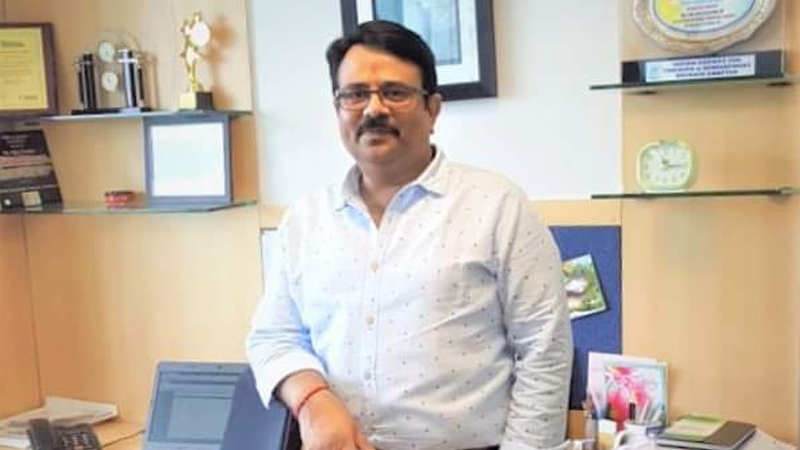
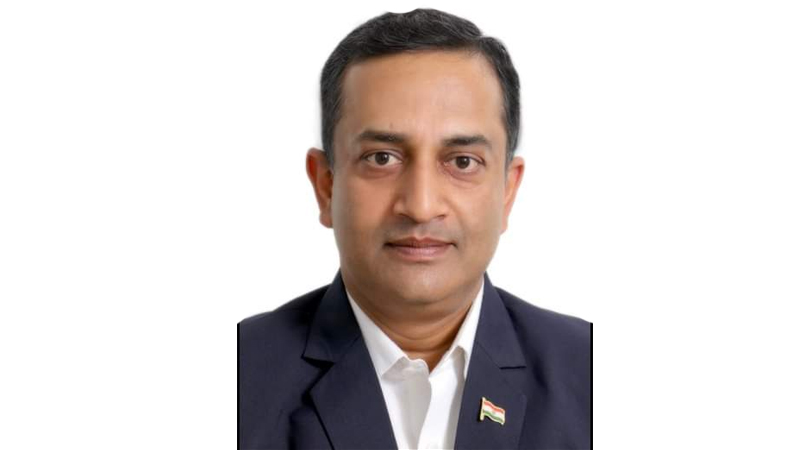
In an exclusive conversation with The Interview World at the Asia-Africa Global Investment Summit 2025, organized by Sociafi Media, Kawasaki Hiroki, Senior Director of JETRO’s New Delhi Office, elaborates on the organization’s mission and its evolving role. He evaluates India’s robust economic trajectory and its implications for the global economy, outlines JETRO’s roadmap for engaging African markets, and highlights the rapid maturation of India’s startup ecosystem in comparison with developed nations. Crucially, he also reveals the strategic blueprint to help Japanese companies tap into India’s expanding business landscape.
Here are the key insights from his compelling exchange.
Q: Can you shed light on the core mandate and key functions of JETRO in facilitating international trade and economic collaboration?
A: JETRO, an organization affiliated with Japan’s Ministry of Economy, Trade and Industry, plays a pivotal role in supporting Japanese businesses as they expand across global markets. With a robust domestic network of 50 offices across Japan and an international presence spanning 76 offices in 55 countries, JETRO offers on-the-ground assistance tailored to each region.
Globally, we help Japanese companies navigate local markets, forge partnerships, and establish a strong business foothold. At the same time, we extend our support to international companies as well. For Indian businesses, for instance, if there’s an interest in setting up operations in Japan, JETRO serves as a gateway—offering strategic guidance, operational support, and the necessary connections to make that vision a reality.
Q: What is your assessment of India’s economic growth in recent years, and how is this influencing its role in the global economy?
A: Japan’s economy has remained largely stagnant for nearly three decades. As a result, many Japanese companies are actively seeking high-growth markets to drive their future expansion. Among these, India stands out as one of the most promising and dynamic economies.
Recognizing this shift, JETRO is strategically supporting the movement. We help Japanese businesses explore opportunities in growth-driven regions like India, enabling them to expand their footprint and tap into new markets with confidence and clarity.
Q: Could you share your vision and upcoming plans for doing business in Africa?
A: Establishing manufacturing operations and building distribution networks in Africa presents significant challenges—far more complex than what Japanese companies typically encounter in India. Recognizing these hurdles, JETRO is actively exploring new strategies to support engagement in African markets.
One promising avenue is fostering collaboration between African and Japanese startups. At the same time, JETRO is looking to leverage Japan’s globally beloved animation industry—anime—as a cultural bridge to Africa.
Anime is rapidly gaining popularity across several African countries. By tapping into this growing fan base, JETRO aims to use anime as a strategic entry point. Anime-themed events and products can attract large audiences, particularly those who admire Japanese culture. From there, we see a unique opportunity to introduce a broader spectrum of Japanese offerings—ranging from food and consumer goods to technology and design.
In essence, JETRO views anime not just as entertainment, but as a gateway to strengthen cultural affinity and stimulate interest in Japanese products across the African continent. That’s the vision we’re actively working to realize.
Q: How do you see India’s startup landscape evolving, especially when compared with startup ecosystems in developed countries?
A: We consistently remind Japanese companies that India ranks as the world’s third-largest startup ecosystem—trailing only the United States and China. Naturally, this has captured serious interest from Japan’s business community.
Compared to their Japanese counterparts, Indian startups demonstrate remarkable agility, adaptability, and speed. Their responsiveness is striking. I’ve even received replies from founders within minutes of sending a message late at night. This level of energy, drive, and commitment continues to impress us deeply.
Given this dynamism, we see immense value in forging collaborations with Indian startups. The potential is not only promising—it’s transformative.
Q: What is your strategy to help Japanese companies capitalize on the growing business ecosystem in India?
A: Currently, around 1,400 Japanese companies have established a presence in India. However, that number has remained stagnant since 2018. To address this, we’ve begun actively engaging Japanese companies—encouraging them to explore the vast opportunities India offers.
Our strategy recognizes a key reality: most large Japanese corporations capable of sustaining long-term operations in India are already here. Therefore, we’re now shifting our focus to micro, small, and medium enterprises (MSMEs). We are urging these high-potential businesses to consider India as a destination to launch and grow their operations.
That said, we remain realistic. We don’t expect a sudden surge in numbers. Expanding into a new market takes time, especially for smaller firms. Yet this focused, long-term approach is essential for building a more diverse and sustainable Japanese business ecosystem in India.