

The Indian Performing Right Society Limited (IPRS) is India’s officially recognized copyright society, established under the Copyright Act, 1957. It serves as the nation’s authoritative body representing authors, composers, and music publishers, safeguarding their creative rights and ensuring they receive fair compensation. As a non-profit collective management organization, IPRS licenses the public performance and reproduction of musical works while collecting and distributing royalties with precision, transparency, and integrity.
Bridging the gap between music creators and users, IPRS streamlines complex copyright processes and fosters a culture that values and respects intellectual property. Through a comprehensive framework of licensing, membership, and data-driven royalty management, it empowers creators to earn from their art while enabling businesses to use music legally, ethically, and responsibly.
Headquartered in Mumbai, IPRS stands at the helm of India’s dynamic and rapidly evolving music industry. It continues to champion creators’ rights and fortify the foundations of a vibrant, globally competitive music ecosystem.
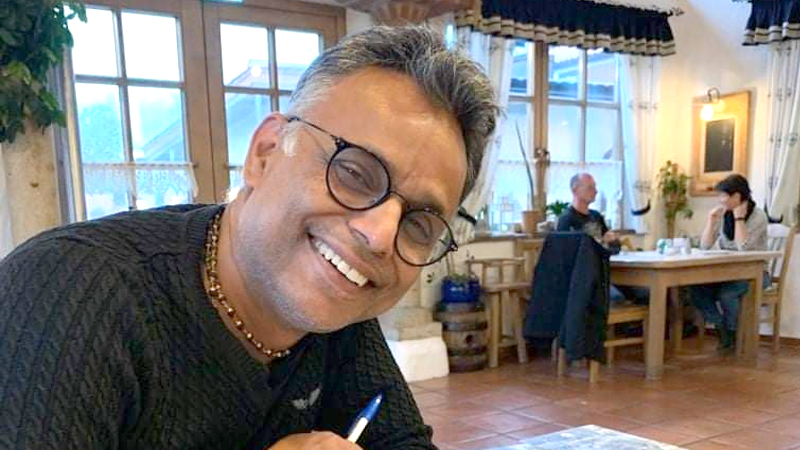
In an exclusive interaction with The Interview World at Soundscapes of India – Season 2, organized by IPRS in collaboration with MusiConnect India, Rakesh Nigam, CEO of IPRS, delves into the society’s core functions and key initiatives. He sheds light on the number of bands participating in the current season and how it differs from the previous one, while also discussing the government’s role in addressing challenges related to music royalties and implementing measures to enhance transparency and creator benefits. Furthermore, he highlights how this hand-holding initiative adds tangible value to artists and distinguishes itself from conventional talent hunts.
Here are the key insights from his compelling conversation.
Q: Could you elaborate on the key functions and core activities of IPRS?
A: The Indian Performing Right Society (IPRS) represents lyricists, composers, and music publishers across India. Its primary role is to ensure that whenever music is played or performed publicly, the creators receive the royalties they deserve. IPRS collects these royalties and distributes them equitably among its members, maintaining fairness and transparency at every stage.
However, our mission extends far beyond royalty collection. We asked ourselves how we could bring talented creators from smaller towns and rural regions into the national spotlight. That question gave rise to this unique initiative — one designed to discover and showcase artists who remain outside the mainstream, beyond the film industry and major commercial circuits.
Through Soundscapes of India – Season 2, we aim to give these emerging voices — especially those rooted in folk and regional music — a stage where they can be seen, heard, and celebrated. The event attracts international music festival directors, offering participants a rare opportunity to be discovered and invited to perform on global stages.
This year, delegates from Japan, Indonesia, Korea, Canada, France, and Germany are attending the festival. Their presence not only validates the growing global interest in India’s diverse soundscape but also opens new doors for local artists to share their music with the world.
Q: How many bands are part of Soundscapes of India Season 2, and how does its impact compare to the previous season?
A: Over 30 bands are participating in Soundscapes of India – Season 2, marking a remarkable growth from the previous edition. Last season, we hosted around 14 to 15 participants, of whom four were selected to perform internationally. This year’s overwhelming response reflects the growing recognition of the platform and its success in connecting Indian talent with global opportunities.
Q: How is the government addressing challenges around music royalties and implementing measures to improve transparency and benefits for creators?
A: One of the most commendable steps taken by the government is the introduction of a law that safeguards an artist’s right to royalty. Under this legislation, no artist can assign away or forfeit their royalty rights — a landmark move that reinforces fair compensation for creators. The government has also ensured that everyone who uses music is legally obligated to pay for its use, as mandated by the Parliament of India.
This law strengthens the very foundation of copyright protection in our country. Think of it this way — copyright begins as early as school, where originality is valued. When a student writes an exam, no one else is allowed to copy their paper. The same principle applies to creative work. We must nurture this mindset and carry it forward, respecting the originality and ownership behind every creation.
Q: In what specific ways will this hand-holding initiative add value to artists, and how does it stand apart from talent hunts?
A: Through this initiative, emerging talent will find a platform to showcase their artistry. When these artists seize the opportunity to perform beyond India’s borders, they not only gain international credibility but also open doors to more performances and collaborations. In doing so, the world gets to discover and celebrate India’s vast reservoir of hidden musical talent.