
Established in 2016, Fine Fittings LLP has grown into an exclusive contract manufacturing partner for Finolex Industries. A decade-long relationship built on trust, consistency and reliability underpins this partnership. Under the leadership of second-generation entrepreneurs, the company has strengthened its manufacturing capabilities through quality certifications, digital monitoring and continuous process improvement.
Today, Fine Fittings operates with an installed capacity of 350 metric tonnes (MT) per month and manages approximately 250 active stock-keeping units (SKUs). With average monthly bookings steadily increasing, the company stands at a critical growth inflection point. Meanwhile, practical shop-floor innovations have helped reduce errors, improve productivity and deliver measurable cost savings.
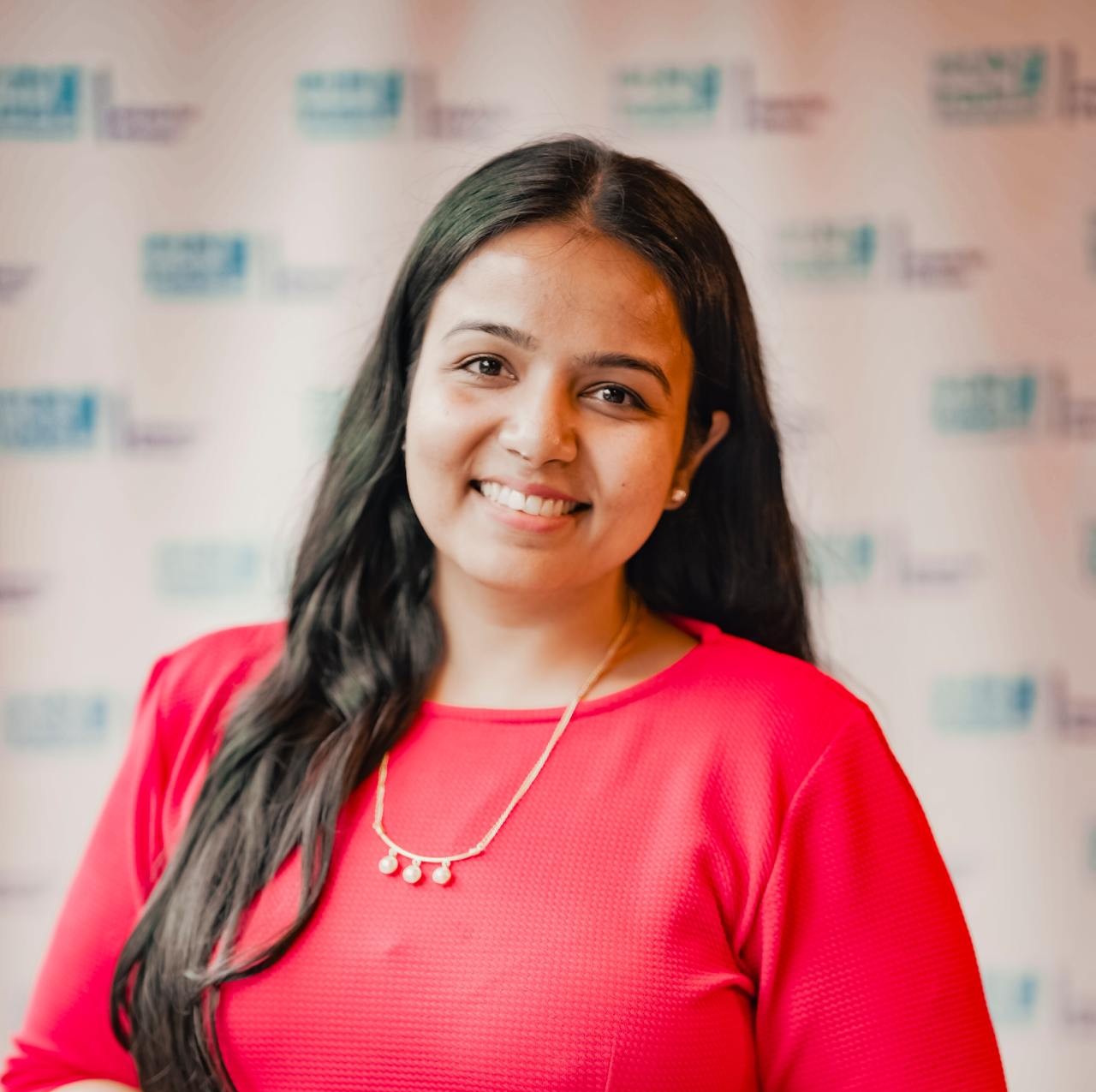
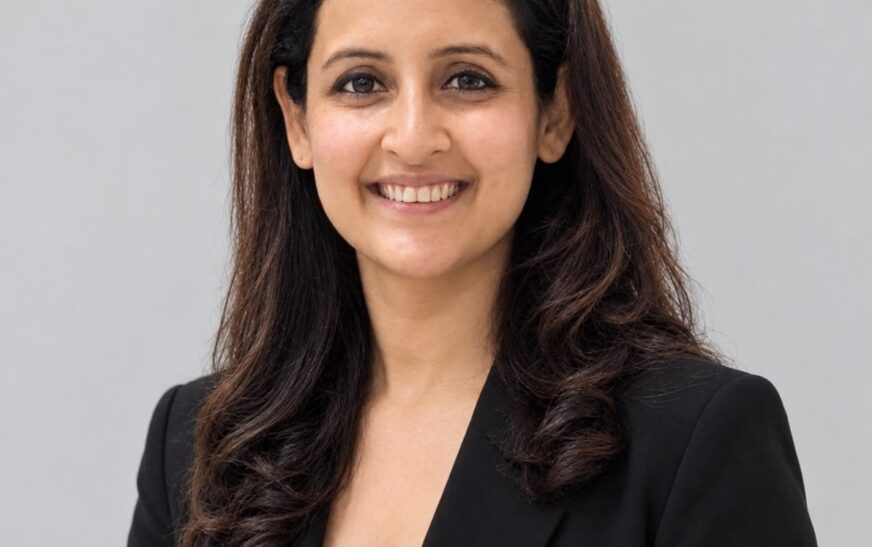
In an exclusive conversation with The Interview World, Kasturi Karandikar, Founding Partner of Fine Fittings LLP, discusses the company’s growth milestones, quality management practices and operational improvements in manufacturing. She also explains how persistent problem-solving has strengthened performance and outlines her vision for the company’s next phase of expansion.
Q: What key performance indicators and milestones best demonstrate Fine Fittings LLP’s growth, operational excellence, customer satisfaction and overall business success in manufacturing sector since its inception?
A: Fine Fittings LLP began operations in 2016 with a single vendor code from Finolex Industries. I joined the business in 2017 as a second-generation entrepreneur. Since then, we have strengthened our systems and expanded our operational capabilities.
We have secured ISO 9001:2015 certification and MSME ZED Bronze certification. We are also pursuing BIS product certification under IS 17546:2021. These milestones reflect our commitment to quality, standardisation and continuous improvement.
Today, we operate with an installed capacity of 350 MT per month. We manufacture approximately 250 active SKUs exclusively for Finolex. Our decade-long association demonstrates the trust we have built through consistent performance and reliable deliveries.
Our business has also recorded steady growth. Average monthly bookings increased by approximately 10% annually over the past three years. They rose from 225 MT to 275 MT in FY2025–26. At this growth rate, demand will soon exceed our existing capacity.
Our projections indicate monthly bookings of 333 MT in FY2027–28 and 366 MT in FY2028–29. Therefore, capacity expansion has become an immediate priority.
We monitor quality and productivity through clearly defined performance indicators. Our current rejection rate stands at 0.8%, and we aim to reduce it to 0.5%. Similarly, our Overall Equipment Effectiveness (OEE) currently stands at 65%. We target 70% within six months.
Sustainability also forms part of our operational strategy. Our 404 kWp rooftop solar installation meets approximately 18–20% of the plant’s energy requirements.
Q: How have you embedded quality control, process consistency and operational reliability into daily operations to meet Finolex’s stringent expectations?
A: Manufacturing for a brand like Finolex leaves little room for error. At Fine Fittings, quality and reliability guide every stage of production. We integrate these principles into procurement, manufacturing, inspection and dispatch rather than treating them as separate initiatives.
Our systems provide the foundation for consistent performance. ISO 9001:2015 establishes structured quality management practices, while our ongoing BIS certification process will further strengthen product compliance. These frameworks ensure that quality depends on documented processes rather than individual vigilance.
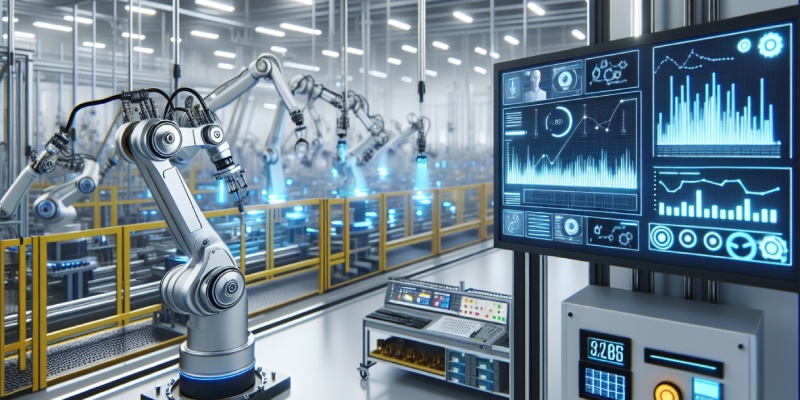
We have also introduced real-time Internet of Things (IoT)-based production monitoring. This system helps us identify operational disruptions and address issues before they affect output. Consequently, we can reduce unplanned downtime in moulding operations and improve delivery reliability.
However, technology alone cannot sustain operational excellence. Our people play an equally important role. We invest in employee onboarding and cross-skilling programmes aligned with Lean Manufacturing principles. Performance-based reviews also strengthen accountability among middle management.
These initiatives help us maintain consistent standards across operators and shifts. Our decade-long partnership with Finolex reflects the effectiveness of this approach.
We have also committed approximately 75% of our total outlay towards Fine Fittings’ capital and operating expenditure. This investment demonstrates our confidence in the business and its ability to deliver consistently.
Q: Can you share a specific instance when persistent follow-ups saved an order, resolved a challenge or unlocked significant business growth?
A: At Fine Fittings, persistence often means identifying everyday operational problems and refusing to accept them as unavoidable costs. Two shop-floor improvements demonstrate how this approach has delivered measurable results.
The first involved sealing finished-goods packaging. We packed our products in bubble bags, using hand sealers that frequently malfunctioned. These machines required constant maintenance and produced inconsistent seals.
To maintain production flow, we assigned two employees to sealing on every packing line. I decided to investigate alternatives rather than accept this arrangement as a permanent expense.
After researching available solutions, I identified heavy-duty band-sealing machines. I then worked with a supplier to customise them for our packing lines.
The new machines reduced the requirement from two employees to one per line. This change generates monthly savings of approximately ₹20,000, equivalent to one employee’s salary. It has also reduced rework, accelerated packaging and lowered maintenance requirements.
Our second improvement addressed labelling and dispatch errors. Managing 250 SKUs through manual packing created recurring problems. Employees occasionally applied incorrect stickers or packed fewer pieces than the specified quantities. For example, a package intended to contain 100 pieces might contain only 90.
Incorrect product dispatches occurred at least once every two days. These errors increased rework, transportation expenses and the risk of vendor penalties.
I developed an online sticker-printing system to address these issues. Each packed product is weighed using a scale connected to a computer and printer. The system prints a label only when the weight matches the specified product and quantity.
I subsequently introduced QR codes on every label. Employees scan these codes at the dispatch conveyor to verify each package against its order. This additional checkpoint prevents mismatched products from leaving the plant.
The integrated system has eliminated the recurring problems of mislabelling, short-packing and incorrect dispatches. It saves approximately ₹20,000–30,000 monthly through lower rework, transportation costs and vendor penalties.
Together, these initiatives generate monthly savings of ₹40,000–50,000. More importantly, they have enabled our existing workforce to handle higher volumes within the same timeframe. They have also reduced manual errors and improved resource utilisation.
Finolex recognised our efforts, reinforcing the value of practical innovation. Neither initiative required substantial capital investment. Both emerged from persistent investigation, targeted improvements and a willingness to challenge established practices.
These experiences have shaped our approach to operational excellence. Instead of absorbing recurring problems as routine business costs, we now actively investigate their causes and implement sustainable solutions.
Q: What is your strategic vision for Fine Fittings LLP over the next three to five years?
A: Over the next three to five years, we aim to transform Fine Fittings into a larger, professionally managed and technology-enabled manufacturing business. Our immediate capacity target is 400 MT per month. We intend to achieve this through systematic processes, digital technologies and selective automation.
Our roadmap begins with workforce stability. We plan to offer competitive wages and improve employee facilities. These measures will help us retain talent and create a stronger foundation for expansion.
Next, we will introduce packing automation and pick-and-place robots wherever they offer clear operational advantages. These investments will reduce dependence on manual labour while addressing rising wages and the growing scarcity of skilled workers.
Digitalisation will remain another strategic priority. We plan to strengthen inventory management, finished-goods tracking and IoT-based production monitoring. Predictive maintenance will help us identify equipment issues before they disrupt production. We also aim to improve OEE from 65% to 70%.
Quality and sustainability will advance alongside productivity. We are pursuing BIS certification under IS 17546:2021 and exploring investment in a solar park. These initiatives will strengthen compliance and help control long-term energy costs.
However, capacity expansion remains our most urgent priority. We must install additional moulding machines, procure mould sets and expand storage before monthly bookings exceed our existing capacity of 350 MT.
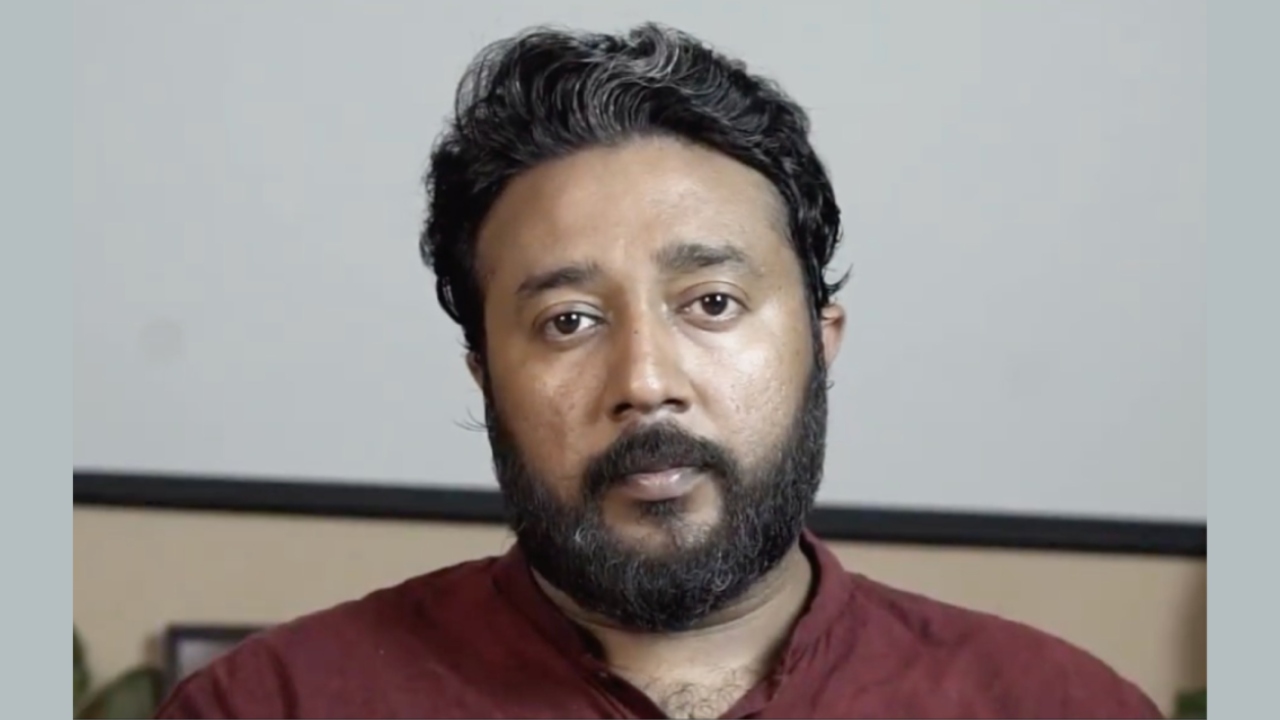
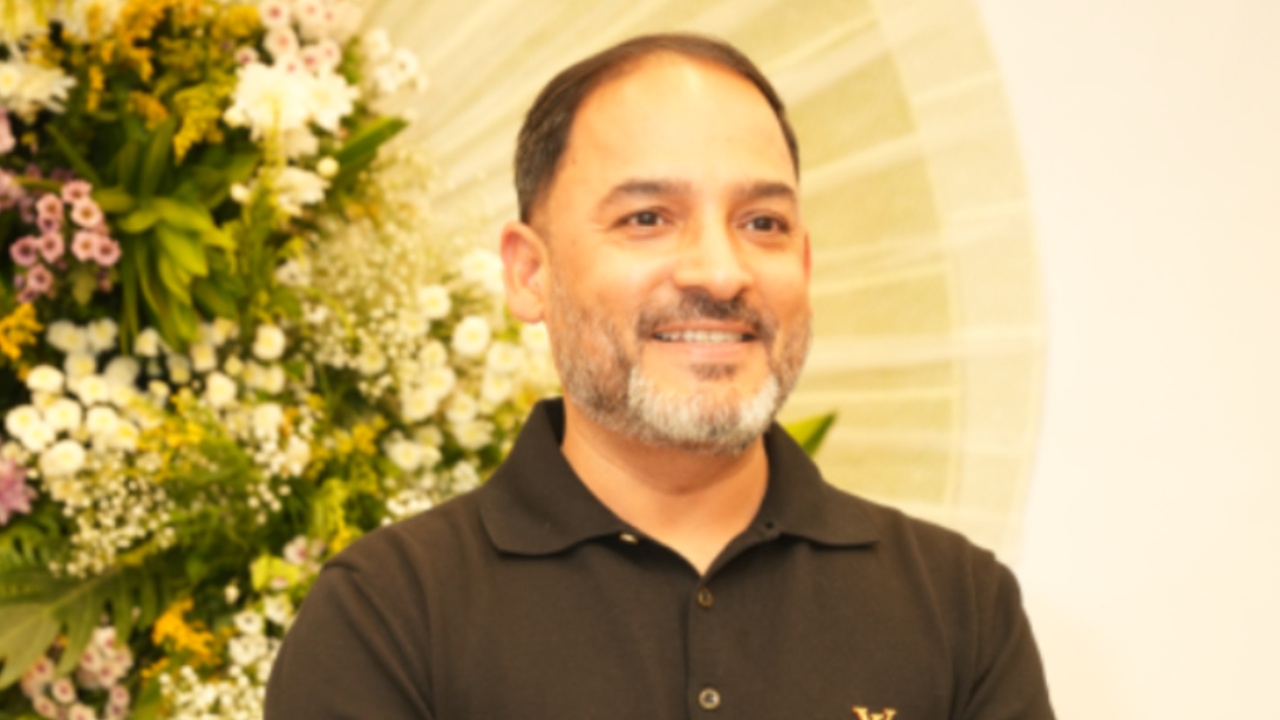
Professional management will also become essential as the business grows. We plan to appoint a senior Operations or Plant Head to oversee production, quality and OEE. This appointment will allow my partners, Deepak Karandikar and Sarang Gokhale, and me to concentrate on strategy, investment and business development.
Meanwhile, we will train employees to operate our QR-code and IoT-based systems effectively. Technology investments must translate into practical improvements across daily operations.
We expect to finance this expansion primarily through operating profits and partner contributions. Financial support from Finolex will also remain an option if required.
Ultimately, our vision extends beyond increasing production capacity. We want to build a resilient manufacturing organisation that combines disciplined execution, digital capabilities, workforce development and sustainable growth. By strengthening these foundations, Fine Fittings aims to meet rising customer demand while preserving the quality and reliability that define our partnership with Finolex.