

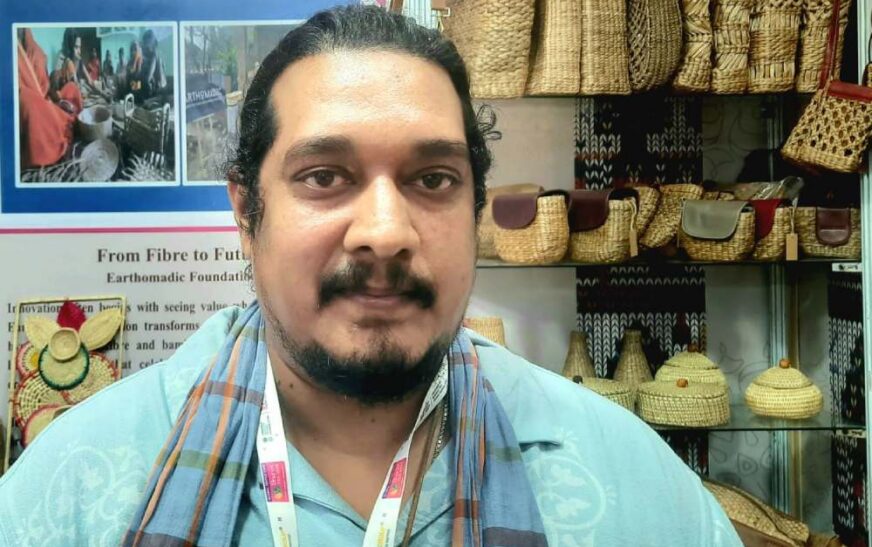
Earthomadic is a sustainability-driven lifestyle brand that champions conscious living through thoughtfully curated, nature-inspired products and immersive experiences. Rooted in sustainable craftsmanship and mindful consumption, the brand seamlessly blends contemporary design with artisanal heritage while upholding a steadfast commitment to environmental responsibility. Earthomadic’s identity and storytelling celebrate the principles of slow living, placing authenticity, quality, and sustainability at the forefront of everything it creates.
Moreover, the brand empowers individuals to make deliberate and meaningful lifestyle choices. It does so by preserving handmade craftsmanship, strengthening artisan livelihoods, and advancing responsible sourcing practices. Through its expanding digital footprint, Earthomadic has built a vibrant community of consumers who value sustainability, creativity, and purposeful design.
At the intersection of innovation and environmental stewardship, Earthomadic exemplifies a new generation of lifestyle brands. More importantly, it inspires people to live with greater awareness and cultivate a lasting, positive relationship with the planet.
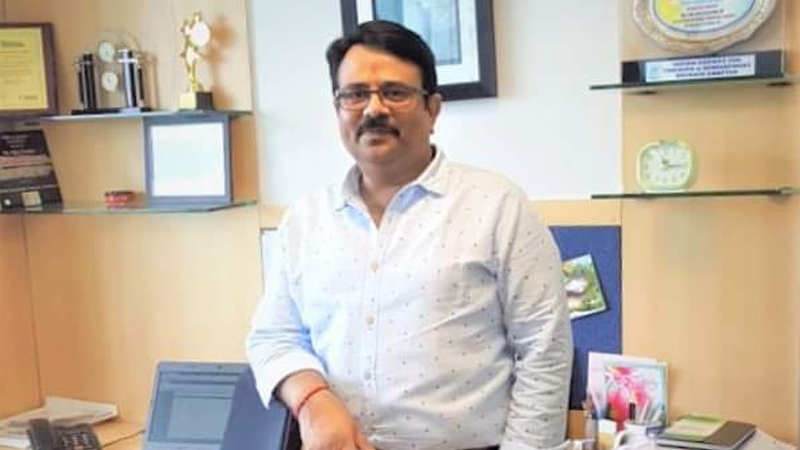
In an exclusive interaction with The Interview World at Bharat Tex 2026, Nagmani Roy, Founder of Earthomadic, shares the vision and inspiration behind the company’s inception. He discusses the brand’s diverse product portfolio, explains the sustainability embedded in its offerings, sheds light on its network of artisan partners, assesses the market’s response to its initiatives, and outlines ambitious plans to transform water hyacinth into sustainable textiles. Presented below are the key insights from this engaging and thought-provoking conversation.
Q: How does Earthomadic support the local community to craft sustainable products from natural resources?
A: At Earthomadic, we actively explore and develop products using a diverse range of natural resources. I began this journey with bamboo, partnering with a community in Bihar whose livelihoods depend entirely on bamboo craftsmanship. In 2023, I started working closely with these artisans to preserve and promote their traditional skills.
However, I soon realized that bamboo craftsmanship remained largely confined to specific communities and cultural contexts. As a result, its scalability and broader social impact faced certain limitations. Consequently, I began searching for other natural fibers that communities could cultivate and work with more inclusively, irrespective of geography or social identity.
During my exploration of nearby regions, I encountered a remarkable resource growing abundantly in waterlogged areas—water hyacinth, locally known as Jal Kumbhi. Contrary to popular perception, it is not elephant grass; rather, it is an aquatic weed that proliferates across ponds, lakes, and wetlands.
Ironically, while water hyacinth grows in abundance, it poses a significant ecological threat. Its rapid spread disrupts aquatic ecosystems, depletes oxygen levels in water bodies, and severely affects aquatic life. In many instances, fish and other organisms struggle to survive in areas heavily infested with the plant.
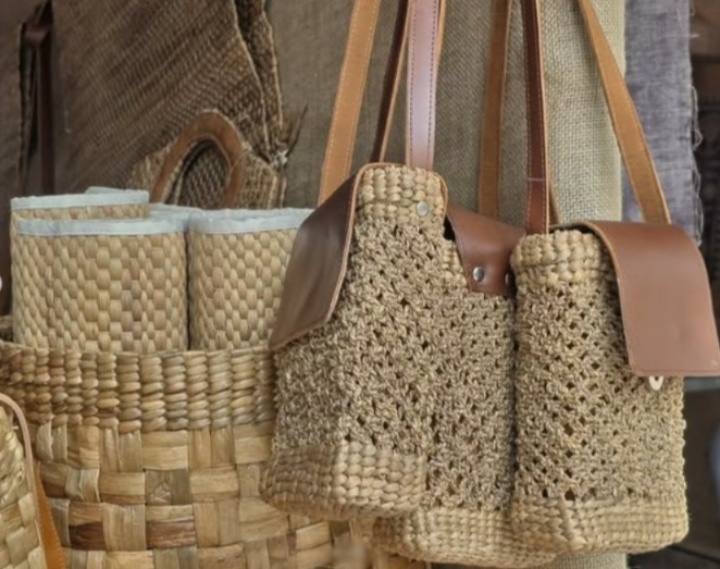
Recognizing both its environmental impact and its untapped potential, we decided to transform this invasive species into a sustainable raw material. Today, all these products are crafted from water hyacinth. By converting an ecological challenge into an economic opportunity, we not only create environmentally responsible products but also open new avenues for livelihood generation and sustainable innovation.
Q: Could you elaborate on your product portfolio?
A: At present, we offer nearly 60 distinct product styles across multiple categories. Our portfolio ranges from carpets and handbags to smaller lifestyle accessories, including tea coasters, card holders, and passport holders.
Furthermore, each product reflects our commitment to sustainable design and functional craftsmanship. For instance, the card holder I am carrying today exemplifies how we combine practicality with aesthetics while staying true to our ethos of responsible production.
Q: Are your products sustainable?
A: Our products are inherently sustainable and exceptionally durable, owing to the high cellulose content of water hyacinth. However, preserving the material’s strength and flexibility requires a meticulous processing approach.
After harvesting and drying, we carefully retain approximately 10 percent moisture in the fiber. This step is critical. If the material dries completely, it becomes brittle and prone to breaking. By maintaining the optimal moisture level, we ensure both flexibility and long-term usability before placing it in storage.
The production cycle closely follows nature’s rhythm. Immediately after the monsoon, we begin harvesting water hyacinth. During September and October, we source the plant from various parts of Bihar, consolidate the material at our facility, and process it for year-round use.
In terms of longevity, these products perform remarkably well, comparable to leather in many respects. Consequently, they require similar care and maintenance. The same precautions one takes to preserve leather products also help maintain the quality, appearance, and durability of items crafted from water hyacinth.
Q: How many artisans are currently associated with your organization?
A: At present, 75 artisans and skilled workers are associated with our organization. We operate from Satpura, a village in the Vaishali district of Bihar, with Bhagwanpur serving as our administrative block.
Moreover, our activities remain deeply rooted in the surrounding region. By building a localized ecosystem of production and employment, we continue to generate sustainable livelihood opportunities while strengthening the rural economy and preserving traditional craftsmanship.
Q: What has been the market response to Earthomadic’s products so far?
A: The market response has been overwhelmingly positive. In fact, demand for our products currently exceeds our production capacity, making timely fulfilment a significant challenge. While this presents an operational constraint, it also underscores the growing acceptance of sustainable, handcrafted products among consumers and institutions alike.
Consequently, we are engaging with government stakeholders to expand training programs in this craft. By equipping more individuals with these skills, we aim to enhance production capacity, create sustainable livelihood opportunities for local artisans, and strengthen the broader ecosystem around this emerging industry.
Our clientele reflects this momentum. We regularly supply products to government institutions, including the Ministry of Textiles, which remains one of our longstanding customers. From New Year gifting initiatives to curated artisanal offerings, our products have found consistent demand across the public sector.
In addition, we serve a diverse portfolio of corporate clients, further validating the market’s confidence in our brand and its commitment to sustainability.
Q: Several companies are exploring the use of water hyacinth as a sustainable textile material. Is Earthomadic considering incorporating water hyacinth into its product portfolio?
A: Yes, we are on the cusp of entering the textile segment. In fact, we have already placed orders for specialized looms to support this expansion.
Initially, we plan to introduce scarves as our first textile offering. Thereafter, we will gradually diversify into sarees, bringing our sustainable material innovation to one of India’s most iconic garments.
Our approach involves developing blended fabrics comprising 50 percent cotton and 50 percent water hyacinth fiber. By combining the comfort and versatility of cotton with the sustainability of water hyacinth, we aim to create textiles that are both environmentally responsible and commercially viable.
This initiative marks a significant milestone in our journey, as it transforms an invasive aquatic weed into a value-added textile resource while opening new possibilities for sustainable fashion.
Q: Have you received any export orders for Earthomadic’s products?
A: Yes, we have entered international markets, albeit on a limited scale. At present, we fulfil small, boutique export orders rather than large-volume shipments, primarily due to our current production capacity.
While global interest in our products continues to grow, we have consciously chosen to scale responsibly. At this stage, our operational capabilities do not support bulk orders. Therefore, our immediate focus remains on strengthening our workforce, expanding capacity, and building a robust production ecosystem that can sustain future growth without compromising quality or craftsmanship.


2 Comments
Thanks for sharing. the step-by-step details were very helpful. Please continue posting content like this.
I learned something new today from your blog. Including guess business certain experience care.
Comments are closed.