

As India advances toward its 2047 climate goals, agriculture emerges not as an obstacle but as the cornerstone of transformation, a driving force for sustainability, resilience, and equitable growth. The sector, sustaining nearly half of the nation’s population, must reinvent itself through a bold commitment to sustainability, innovation, and inclusion. By embracing sustainable agricultural practices, India can accelerate its green transition while empowering millions of farmers.
The PPI framework, Production, Protection, and Inclusion, redefines agriculture as a regenerative, tech-enabled, and equitable ecosystem. By reducing chemical dependence, restoring natural resources, and integrating digital technologies for inclusive progress, India can build a resilient and future-ready agricultural economy that fuels prosperity and ensures a climate-positive future.
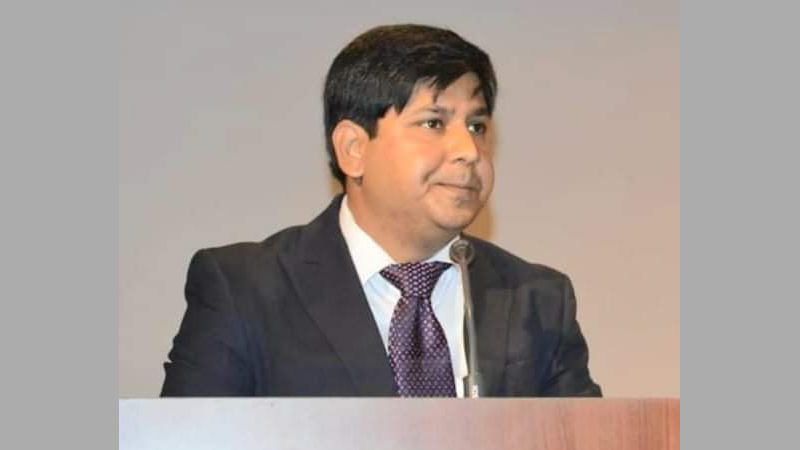
In an exclusive conversation with The Interview World at AgriTech 3.0: Smart Agriculture for Viksit Bharat, hosted by ASSOCHAM, Vikramjeet Sharma, Senior Program Manager – Landscapes, IDH, delves into how sustainable agricultural practices can drive India’s 2047 climate ambitions. He discusses the critical role of technology in fostering inclusion and equal opportunity, identifies persistent gaps between innovation and implementation, and shares a key global best practice that India should adopt to accelerate technological transformation in agriculture.
The following are the most insightful takeaways from his thought-provoking conversation.
Q: How can sustainable agricultural practices help achieve India’s 2047 climate goals while contributing significantly to a greener, more resilient world?
A: We must focus on three critical areas that I call PPI: Production, Protection, and Inclusion.
First, Production. We must grow our food and crops sustainably to safeguard the environment while ensuring long-term productivity. Sustainable production demands a decisive shift away from excessive use of chemicals and fertilizers toward natural farming and regenerative agriculture. These practices restore soil health, enhance resilience, and create a foundation for enduring agricultural growth.
Second, Protection. Agriculture depends on the vitality of our natural resources such as biodiversity, water, and soil. We must therefore protect these ecosystems with intention and care. Sustainable practices are not optional; they are essential for preserving the very systems that sustain life and agriculture itself.
Finally, Inclusion. This is equally vital. Small and marginal farmers, women, and young people must be active participants in agricultural growth, not passive observers. Too often, they form the missing middle, excluded from the benefits of policies and technologies that drive progress. Bridging this gap is imperative. Only when inclusion becomes a reality will we truly unlock the full potential of our agricultural sector.
If we act decisively across production, protection, and inclusion, I believe we can achieve our national goals and realize our vision for 2047.
Q: How will technology integration drive greater inclusion and ensure equal access to opportunities across all sections of society?
A: Over the past decade, we have witnessed a surge of companies and startups offering point-based solutions in agriculture. For example, one company provides digital insurance, while another offers weather advisories through mobile apps. These are valuable efforts, but they remain fragmented.
What we need now is integration, a platform-based approach that unites these services. Imagine being a farmer who currently must visit ten different platforms to access ten different services. Instead, one integrated platform should provide everything, weather advisories, credit access, input ordering, and more, all in one place.
This shift toward platformization is not just about convenience; it is about efficiency and scale. When companies offer isolated, point-based solutions, the cost of acquiring customers, in this case, farmers, is extremely high. However, when services are bundled on a single platform, the cost per farmer drops significantly, benefiting both farmers and service providers.
The government has made commendable progress in enabling this transformation. Every effective platform rests on a strong data layer, and that is precisely what the AgriStack initiative is building. On top of this data layer lies the advisory or intelligence layer, where data is analyzed to generate insights and drive informed decisions. Above that comes the product layer, where new solutions are designed based on those insights. Finally, there is the discovery layer, which connects the right products with the right farmers and markets.
With AgriStack providing the foundation, we now have the data to design smarter, more targeted products, from climate and parametric insurance to credit and risk management solutions. The next step is to ensure these innovations reach farmers seamlessly through unified digital ecosystems.
That is the direction in which agricultural technology must move, from scattered point solutions to cohesive, data-driven platforms that empower farmers, reduce costs, and accelerate inclusive growth.
Q: What key gaps exist between technological innovation and its effective implementation in Indian agriculture today?
A: We have made significant progress in agricultural technology, yet both adoption and penetration remain low, and these are not the same thing. Adoption refers to how many farmers actually use these digital tools and applications. Penetration, on the other hand, measures how deeply these technologies reach across the farming community.
Both challenges stem from a common issue I mentioned earlier: fragmentation. When services remain scattered and unintegrated, the cost of reaching and serving farmers stays high. As a result, fewer farmers adopt these technologies, and overall penetration remains limited.
To change this, we must build integrated systems that make access simple, affordable, and valuable for every farmer. Only then will adoption rise, penetration deepen, and technology truly transform agriculture at scale.
That is the gap we need to close, not just developing technology, but ensuring it is widely adopted, deeply embedded, and meaningfully impactful.
Q: What is one best practice from global development experiences that India should adopt to accelerate technological adoption in agriculture?
A: India today stands at the forefront of development and innovation. We no longer need to look abroad for inspiration; we are setting global benchmarks ourselves. The progress we have made through digital public infrastructure is transformative. The JAM Trinity, Jan Dhan, Aadhaar, and Mobile, has revolutionized access, inclusion, and efficiency across sectors. Coupled with a thriving startup ecosystem, India is now leading the global innovation charge.
That said, we can still draw valuable lessons from international examples. China’s PinDuoDuo platform, for instance, demonstrates how powerful integration can be when diverse agricultural services converge on a single digital platform. This model mirrors the vision we are pursuing — unifying access to credit, inputs, and market linkages for farmers through one seamless interface.
At the same time, rapid advancements in artificial intelligence and large language models (LLMs) are opening new frontiers. During my time at the World Bank, we explored LLM-based systems that allow farmers to type a simple query, for example, “I want to buy urea,” and instantly receive a list of nearby suppliers with ratings, much like ordering food on Zomato.
These innovations illustrate how we can harness AI and language technology to create localized, farmer-friendly digital ecosystems. The opportunity before us is clear: to combine India’s technological leadership with global best practices and build platforms that are inclusive, intelligent, and truly transformative for agriculture.