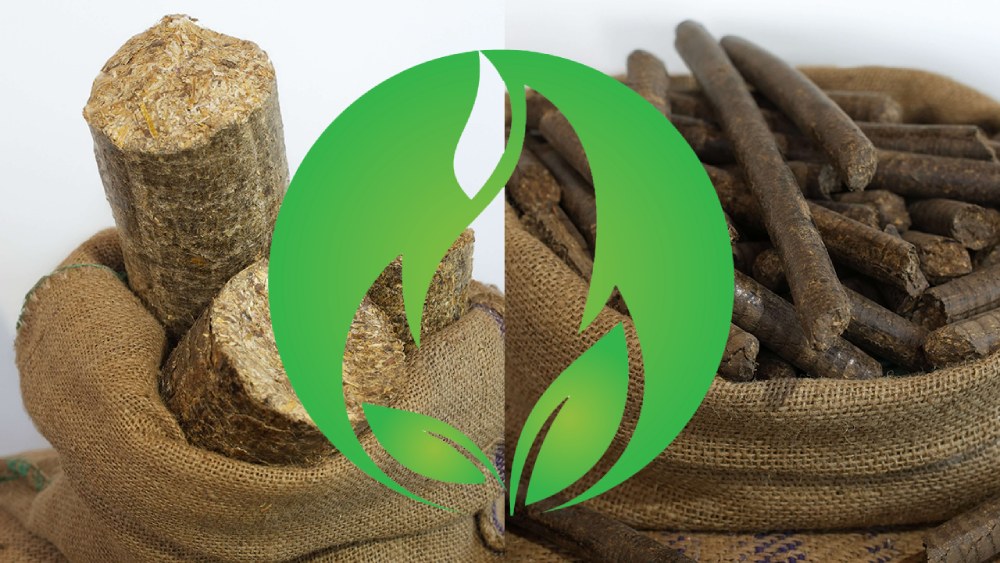


Pinaki Eco Fuels is an Indian biofuel manufacturer dedicated to producing and supplying biomass-based fuels. Operating from Madhya Pradesh’s industrial belt, the company sits at the intersection of agriculture and renewable energy. It actively advances India’s transition to alternative energy by reducing reliance on fossil fuels and curbing emissions. As a sister company of Mamleshwar Agro Fuel Pvt. Ltd., a specialist in biomass briquettes and pellets, Pinaki Eco Fuels forms part of an integrated renewable biomass fuel ecosystem serving central India.
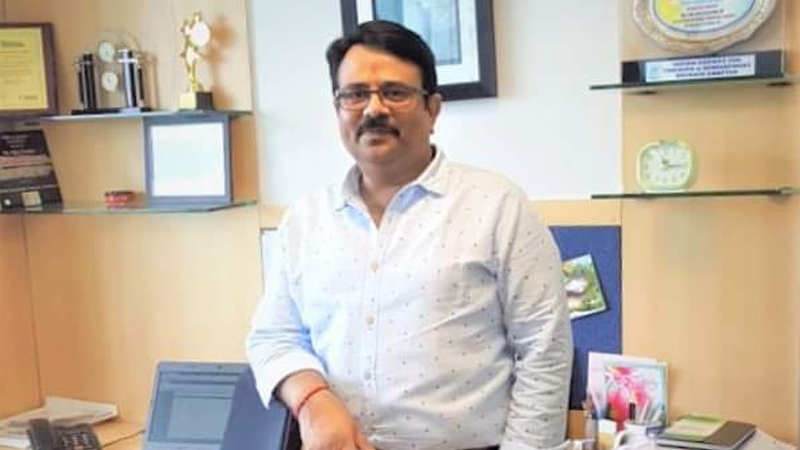
In an exclusive conversation with The Interview World at Indusfood Manufacturing 2026, Yuktarth Patidar, Founder of Pinaki Eco Fuels, details the company’s innovative biomass offerings. He explains how these sustainable solutions can reshape the agro-industry, defines the company’s product categories, highlights the raw materials that underpin its renewable fuels, and assesses market reception.
The following are the key takeaways from this insightful discussion.
Q: What are the key innovative products your company has developed, and what strategic problems do they address in the market?
A: Our parent company, Mamleshwar Agrofield Pvt. Ltd., specializes in manufacturing biomass briquettes and pellets. These products serve as a sustainable alternative to coal, particularly for industrial boilers and burners across the chemical and process industries. By replacing fossil fuels, they significantly reduce carbon dioxide emissions. Moreover, they generate far less pollution, produce minimal ash, and deliver a cleaner combustion profile. As a result, they offer a materially superior and environmentally responsible energy solution.
Q: How are these products expected to fundamentally transform the agro industry?
A: The idea originated years ago with our Director, Rajesh Mundra. Driven by a deep commitment to environmental innovation, he introduced the concept of biomass energy to Madhya Pradesh at a time when its potential remained largely untapped. Recognizing the region’s strong industrial base, he positioned biomass as a viable and scalable alternative fuel. As a result, biomass conversion is now poised to accelerate the adoption of renewable energy. Moreover, it curbs the open burning of organic residues and enables a sustainable, decentralized energy supply for rural communities.
Q: Can you outline your current product portfolio and its key categories?
A: We offer a wide and adaptable product portfolio, shaped by crop availability and seasonal cycles. Depending on the harvest, such as groundnut or mustard residues, we manufacture both briquettes and pellets. Moreover, we produce pellets in multiple specifications, including 8 mm, 9 mm, 12 mm, and 19 mm diameters. This flexibility allows us to align production precisely with factory configurations and, more importantly, with each customer’s operational requirements.
Q: What are the primary raw materials used in these products?
A: The choice of raw material primarily depends on the agricultural season, whether it is Kharif or Rabi. However, crops such as soybean and mustard remain available for nearly six months at a stretch, aligning well with these seasonal cycles. As each season concludes, feedstock availability naturally shifts.
This raises an important question: can biomass offer a viable solution for paddy residue management? In practice, paddy straw has a relatively low calorific value, which limits its effectiveness as a biofuel. In contrast, soybean and mustard residues deliver significantly higher calorific value. For this reason, they are preferred for biomass fuel production. Ultimately, these materials combust efficiently and function as a credible replacement for coal, which is precisely why industries adopt them.
Q: How has the market responded to these offerings, and what indicators suggest that this demand is sustainable?
A: At present, biofuel represents one of the most sustainable energy solutions available. Recognizing this, the government plans to mandate a 10–15 percent biofuel blend for industries with high fuel consumption. In particular, sectors that currently rely heavily on coal and wood briquettes will be required to adopt biofuels. Consequently, these industries are now transitioning from voluntary adoption to regulatory compliance.