


Since 2005, Gurugram‑headquartered Tulip Infratech has etched a bold signature on the Delhi‑NCR skyline. Project after project, the ISO 9001, 14001 and OHSAS 18001‑certified developer finishes on—or ahead of—schedule, a rarity that now defines its brand. Already, Tulip has transformed more than 100 acres into 18 vibrant communities and handed over 5,500 homes without the usual delays that plague India’s real‑estate sector. Discipline steers the firm; flair gives it lift. Together they produce architecture that marries cutting‑edge engineering with India’s cultural rhythm, and they keep four pillars—trust, quality, innovation, and sustainability—unshakably in place.
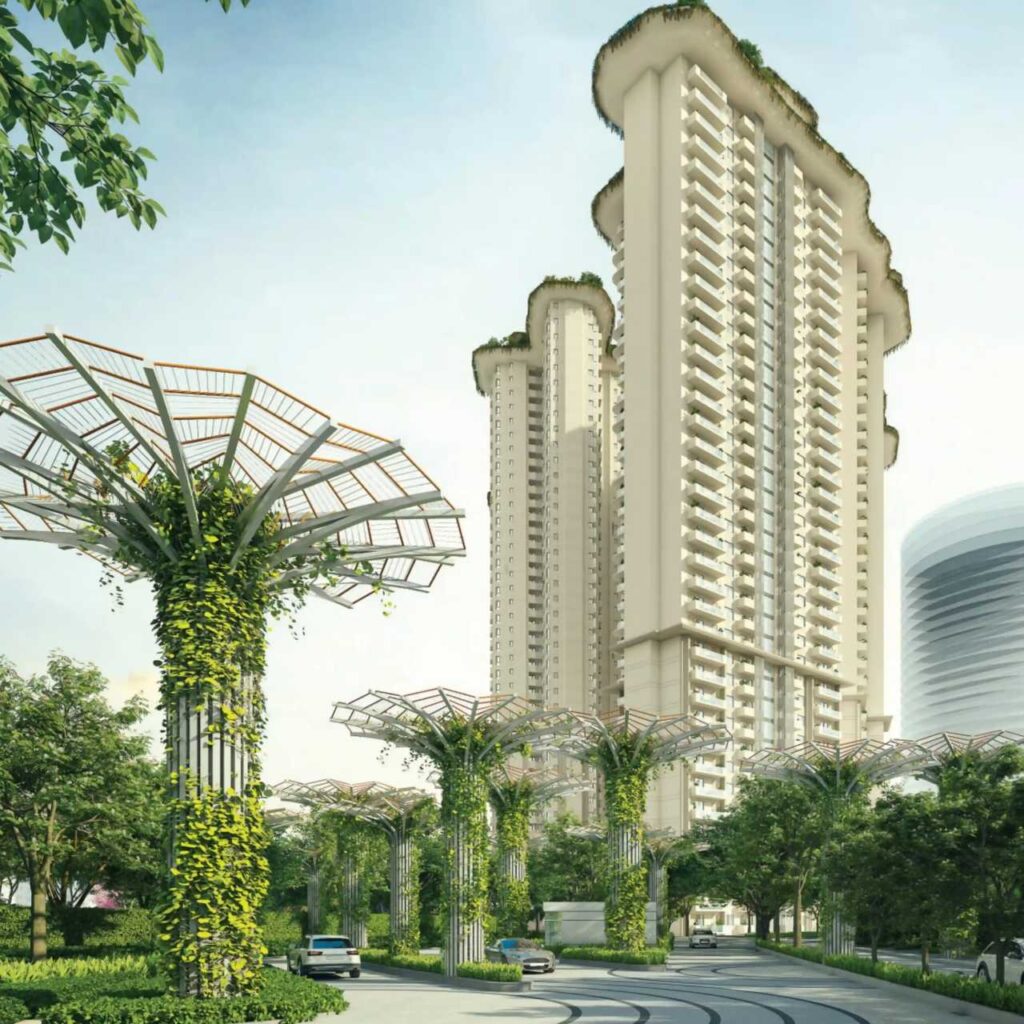
Operational excellence undergirds that vision. Tulip deploys Mivan‑form aluminium shuttering for razor‑sharp speed and accuracy, while rigorous dust‑suppression systems, mandatory PPE, and robust worker‑welfare programmes create safer, cleaner sites. Sustainability, therefore, is no afterthought; it is literally cast in concrete. The company’s current showpiece, Tulip Monsella on Gurugram’s Golf Course Road, exemplifies this credo. Backed by a ₹5,500‑crore investment, the development is sculpting 1,100 sky‑homes across 20 acres of mixed‑use vibrancy—premium residences, curated retail, and community spaces flowing seamlessly together. At each turn, Tulip distils its core values into lasting stakeholder value.
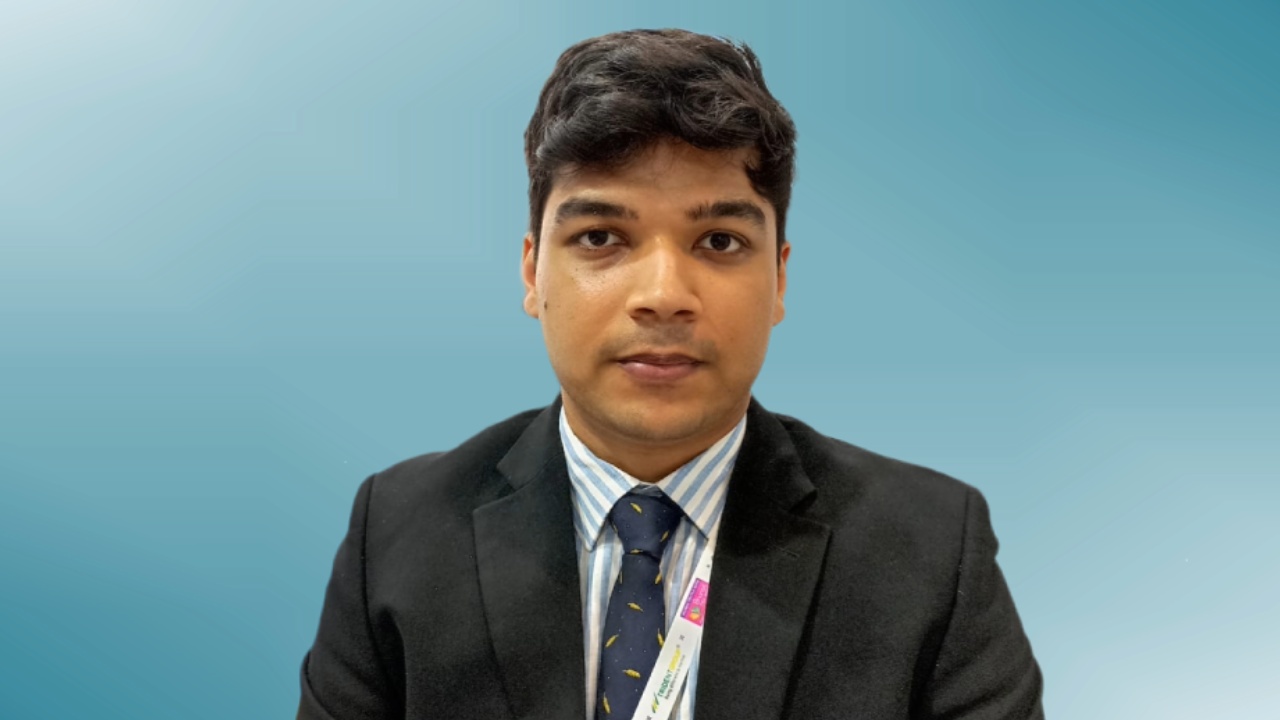
Momentum now accelerates. During an exclusive conversation with The Interview World at the NAREDCO Mahi Convention 2025, Director Siddharth Jain outlined an audacious road map. First, he intends to catapult Tulip into the front rank of India’s real‑estate leaders, leveraging AI‑driven project management, drone‑based site analytics, and blockchain‑enabled title verification to slash inefficiencies. Next, he reiterated Tulip’s uncompromising commitment to green construction—solar‑ready rooftops, low‑VOC materials, and water‑positive landscaping will soon become baseline, not bonus. Then, addressing the region’s high seismic risk, Jain detailed upgraded structural codes, micro‑zoning studies, and third‑party audits that fortify buyer confidence. Finally, he previewed a calibrated expansion strategy: strategic land acquisitions in emerging micro‑markets, a foray into affordable premium housing, and selective joint ventures that preserve brand control while accelerating scale.
In short, Tulip Infratech is not merely erecting buildings; it is engineering trust, future‑proofing communities, and rewriting the playbook for timely, tech‑powered, and sustainable Indian real estate. The conversation that follows distils Jain’s vision into actionable insights and clear milestones—compelling reading for anyone tracking the sector’s next disruptor.
Q: What is your long-term vision for Tulip Infratech, and how do you plan to position the company as a frontrunner in the competitive real estate landscape?
A: My father built Tulip Group from the ground up in Delhi, and his principles still anchor us. We will honour those values—ethics, sustainability, and disciplined execution—while scaling the business. Our pledge is simple yet uncompromising: deliver high‑quality homes on schedule, every time.
Gurgaon remains our strategic centre of gravity. Here, we intend to deepen our footprint, grow aggressively, and serve every buyer segment. Whether luxury towers or well‑priced mid‑segment communities, each project will carry the same hallmark—on‑time delivery, transparent practices, and enduring build quality. In short, we will expand responsibly, uphold our legacy, and meet Gurgaon’s pressing demand for homes that people can trust.
Q: How is Tulip Infratech leveraging disruptive technologies to enhance operational efficiency and drive innovation in real estate development?
A: We have embedded technology at the core of our build process. Every residential tower now rises on aluminium Mivan formwork—an all‑concrete shell that eliminates seepage, delivers high‑grade strength, and slashes construction cycles. Consequently, speed climbs, precision improves, and quality remains uncompromised.
Next, we are turning to artificial intelligence. As AI’s capabilities expand, we will weave it into design, project‑monitoring, and procurement systems to sharpen decisions and drive further efficiency. In short, technology already powers our sites; soon, AI will amplify that edge.
Q: What is your perspective on sustainable real estate development, and how is Tulip Infratech integrating sustainability into its current and future projects?
A: Sustainability is not a marketing tagline for us; it is the crucible in which every design choice is forged. Consequently, we place our net‑zero ambition and carbon‑footprint discipline at the centre of each blueprint.
Consider our forthcoming commercial landmark on Golf Course Road. We refused to pursue anything less than LEED Platinum, because that rating enforces measurable, verifiable rigour—not mere rhetoric. Hence, our architects began by scrutinising the building envelope. They specified high‑performance glazing and reflective façades that bounce away harsh solar gain. As a result, indoor temperatures remain stable, and cooling loads plummet.
Next, we tackled energy generation and consumption. Photovoltaic panels crown the roof, while smart sensors orchestrate lighting and HVAC systems in real time. Therefore, kilowatts are deployed only when, where, and to the degree they are truly needed. Wasteful baseloads vanish.
Yet efficiency alone is insufficient. We must also replenish what we inevitably consume. Accordingly, we carved out generous green terraces, bioswale gardens, and a rooftop micro‑forest. These living assets absorb carbon, filter pollutants, and return biodiversity to an urban hardscape starved of it. Moreover, they confer human benefits: cooler micro‑climates, cleaner air, and restorative vistas that elevate employee well‑being.
Water stewardship completes the triad. By capturing rain, recycling greywater, and installing low‑flow fixtures, we slash potable‑water demand and insulate the project from municipal supply shocks. Thus, the building operates less like a resource sink and more like a balanced, regenerative organism.
Critically, we subject each claim to quantifiable metrics. Real‑time dashboards track energy intensity, water use, and carbon offsets. Stakeholders—tenants, regulators, investors—see performance, not promises. Transparency breeds accountability, and accountability breeds continual improvement.
In brief, we are not merely “trying to be sustainable.” We are engineering resilience, demonstrating fiscal prudence, and designing for a world that can no longer indulge ecological externalities. By fusing cutting‑edge technology with biophilic principles, we transform sustainability from a noble aspiration into an operational imperative—and, in doing so, set a higher bar for every project that follows.
Q: Given that Delhi-NCR falls under the highest seismic risk zone, how is Tulip Infratech addressing structural safety and earthquake resilience in its projects to ensure buyer confidence?
A: We embed structural safety into every decision, not as an afterthought but as a mandate. For each project, two independent structural consultants begin by modelling the entire frame to withstand seismic Zone 4 and even Zone 5 forces. One engineer produces the primary design; the second interrogates every load path and recalculates the results.
Next, we elevate the design to a third level of scrutiny. Professors at IIT conduct a full audit, dissecting calculations, detailing, and material specifications. Only after their written approval do we authorise construction drawings.
This triple‑validation cycle gives stakeholders tangible assurance. Zone 4 represents India’s second‑highest seismic‑risk category; designing to it—and cross‑checking against Zone 5—builds in generous safety margins. By the time a single column rises, three separate expert teams have stress‑tested the structure from foundation to rooftop.
In short, we do not merely claim our buildings are safe; we prove it through layer upon layer of professional verification. That disciplined process transforms compliance into confidence and turns every project into a benchmark for seismic resilience.
Q: What are Tulip Infratech’s future expansion plans, and which markets or segments are you targeting for growth in the coming years?
A: We’ve absorbed invaluable lessons along the way—and we’re putting them to work. As we gear up to launch one or two more projects, our involvement runs deep. From strategic marketing to on-ground construction, we remain hands-on at every stage.
Right now, my focus is full immersion. I’ve recently stepped into the business, and I’m actively shaping my understanding by engaging in the day-to-day. As for the long-term vision—it’s evolving. While I may not articulate a fully defined roadmap today, I’m building the foundation to do exactly that.
Give it five years, and I’ll have a clear, grounded, and ambitious vision to drive the business forward—with the confidence that comes from lived experience and hard-won insight.





1 Comment
Thank you for putting this in a way that anyone can understand.
Comments are closed.