
Seeneel Consultancy is an actuarial consulting firm specializing in employee benefits and actuarial valuation solutions. With more than 80 years of combined experience, the firm delivers customized, technology-enabled services to leading organizations in India and international markets. Its expertise spans statutory valuations under AS 15R, Ind AS 19, IAS 19, US GAAP, and other global accounting standards.
The firm advises clients on gratuity, pension, post-retirement medical benefits, provident fund, leave encashment, long-service awards, ESOPs, deferred bonuses, LTIPs, and other employee benefit obligations. Founded and led by experienced actuaries, Seeneel combines technical expertise, industry knowledge, rigorous quality assurance, data integrity, and technology to deliver accurate, timely, and decision-oriented solutions.
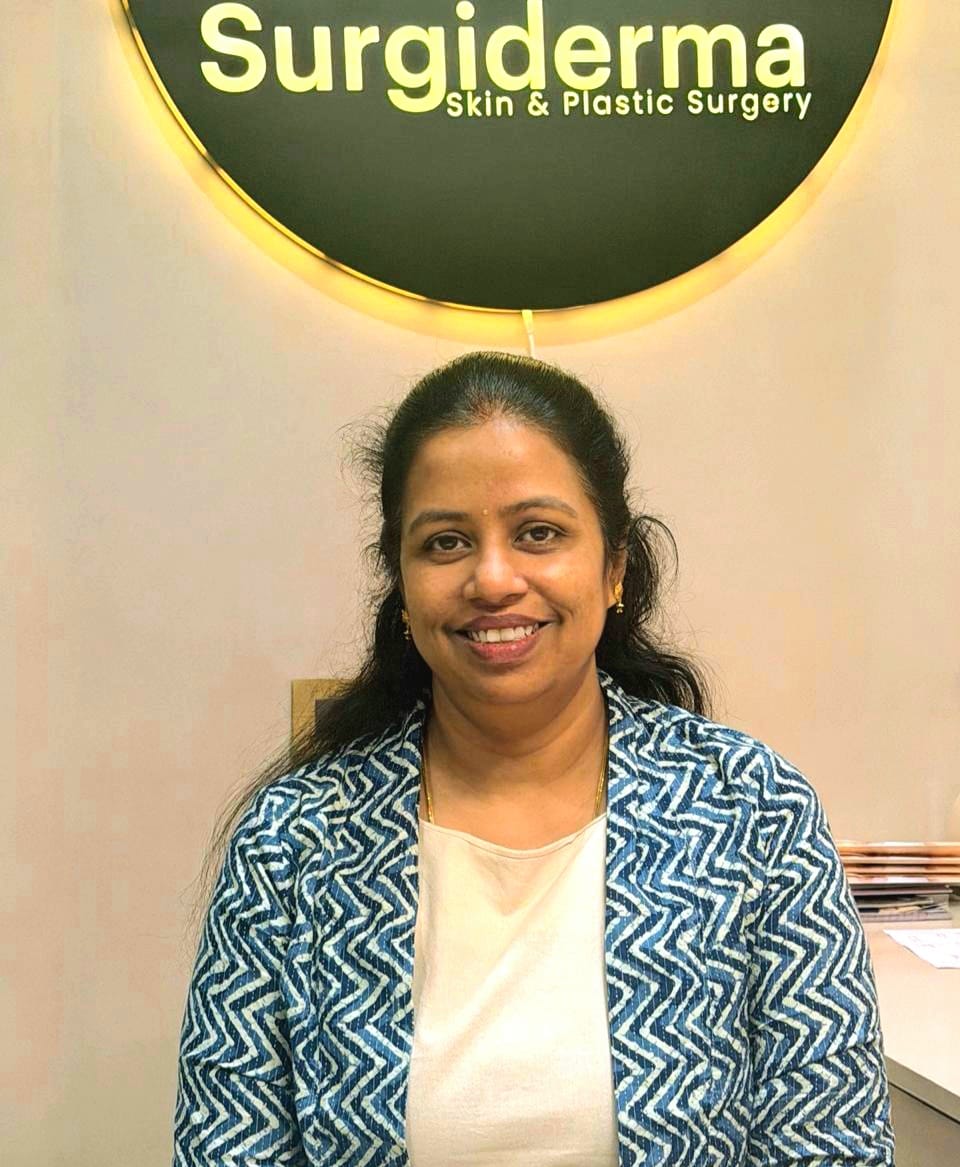
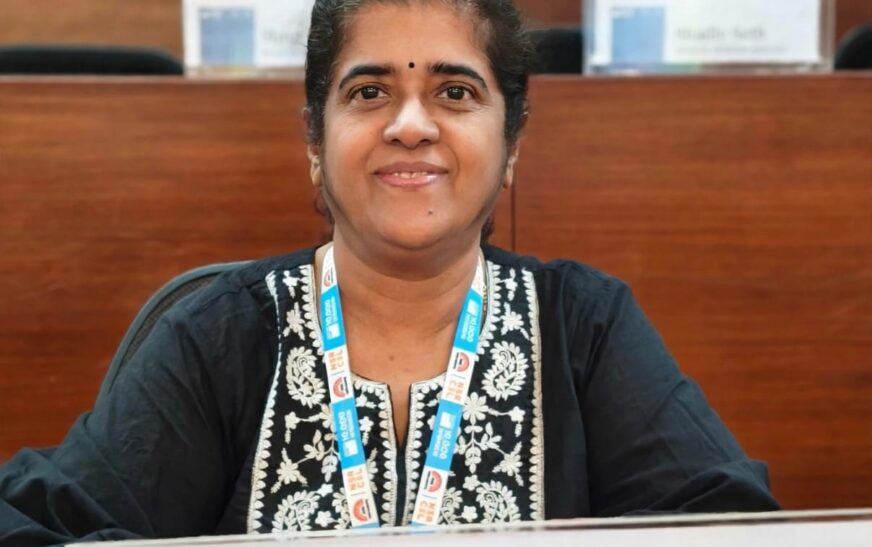
In an exclusive conversation with The Interview World, Padmaja Raghunathan, Designated Partner, Seeneel Consultancy, discusses the indicators that define success in actuarial consulting, the capabilities that have contributed to client acquisition and revenue growth, the inflection points that have shaped the firm’s evolution, and her vision for Seeneel over the next three to five years. Here are the key takeaways from the conversation.
Q: What are the most important indicators of Seeneel Consultancy’s success in actuarial consulting?
A: Seeneel’s success cannot be measured by a single number. Financial performance and business volumes certainly tell part of the story, but they do not capture the entire picture. We have built the firm over more than 25 years, with actuarial consulting at its core. Today, we work with more than 500 companies across industries and undertake more than 2,000 valuations and assignments every year.
However, the metric I value most is repeat business. Employee-benefit valuations recur every reporting period, and clients are free to change their actuary. Therefore, when approximately 85% of our work continues to come from existing clients, it reflects a high degree of trust. Many of our clients have stayed with us for more than a decade. That loyalty matters because the numbers we produce ultimately feed into audited financial statements. Clients have to trust both our technical judgment and the integrity of our processes.
We also measure our success by how significantly we have expanded our capabilities. We began primarily with gratuity and leave-encashment valuations. Today, our services cover pension, post-retirement medical benefits, deferred bonus and LTIP valuations, funding valuations, and advisory services relating to the new Labour Codes, alongside reporting under Ind AS 19 and AS 15.
The integration of my earlier practice, Alacrity Professionals, into Seeneel in April 2026 marked another important milestone. It brought together two complementary teams and client bases on a common platform and strengthened the firm’s ability to scale.
Ultimately, however, our most important measure of success is strategic. We want Seeneel to become more than the collective capabilities of its founders. We are building an institution that can create value through its people, systems, intellectual capital, technology, and client relationships.
Q: How do you simplify business complexity to benefit Seeneel Consultancy, and how has this translated into customer preference, repeat business, or stronger margins?
A: I have always believed that numbers tell a story. As an actuary, my responsibility does not end with calculating the number. I also have to explain what that number means and why it matters.
Actuarial valuations directly affect a company’s financial statements. They influence the balance sheet and can affect reported profits. A relatively small change in assumptions, such as the discount rate or salary-growth rate, can materially change an employee-benefit liability. Yet the people who ultimately review and approve these numbers, CFOs, audit committees, HR leaders, and business heads, are not necessarily actuaries.
Therefore, they do not need to understand every mathematical calculation. They need to understand the business implications. They want to know why a liability has changed, which assumptions are driving the movement, what risks they should watch, and whether they need to take any action.
The new Labour Codes demonstrated this very clearly. Changes in the definition of wages created the potential for higher gratuity and leave-related liabilities for many organizations. As a result, clients approached us for guidance. Recalculating the liabilities was the straightforward part. The real value lay in helping clients understand what had changed, how the changes could affect them, and what decisions they needed to consider.
For me, simplification does not mean compromising technical depth. In fact, you must understand a subject extremely well before you can explain it clearly in two minutes. That ability to translate complex actuarial concepts into practical business insights has strengthened client relationships and encouraged repeat business.
Consequently, we compete on value rather than price. Clients stay with us because we help them understand their numbers and make better decisions, not simply because we produce a valuation report.
Q: What system or hire most changed Seeneel’s ability to grow beyond you, and why did it become an inflection point for the enterprise?
A: There is a fundamental difference between running a successful professional practice and building a scalable professional enterprise. I learned that distinction over time.
In the early years, I was involved in almost everything: client relationships, technical reviews, problem-solving, business development, and day-to-day decisions. That model worked when the organization was small. However, as the firm expanded, I realized that concentrating too many decisions with one person could eventually become a constraint on growth.
That realization became an important inflection point. We decided to build systems around the business instead of building the business around one individual.
We began defining roles more clearly and institutionalizing standard operating procedures, templates, review mechanisms, dashboards, and accountability structures. Today, an assignment follows a defined journey, from enquiry and proposal to data review, valuation, independent checking, and final delivery.
This approach is particularly important in actuarial consulting because quality cannot depend solely on individual expertise. As volumes increase, a documented and disciplined review process becomes essential to protect accuracy, consistency, and client confidence.
The transformation has also changed my role. I now spend more time with clients, on complex technical matters, business development, strategic decisions, and developing our people. The organization can handle substantially more work without requiring my involvement in every assignment or decision.
We now handle twice the number of assignments we did in 2023. That growth has reinforced the importance of the operating model we have built.
We are still evolving, but Seeneel is steadily becoming a process-led professional firm. The objective is not to replace professional judgment with processes. Instead, we want systems to create the foundation on which professional judgment, technical expertise, and client focus can operate at scale.
Q: Where do you want to see Seeneel Consultancy in the next three to five years?
A: Over the next three to five years, we want Seeneel to emerge as a leading technology-enabled actuarial and employee-benefits consulting firm. We want to become significantly larger while retaining the depth, responsiveness, and personal attention that clients expect from a specialist firm.
Our growth ambition is to reach more than 2,000 clients and achieve ₹10 crore in annual revenue over this period.
We see three principal growth opportunities.
First is awareness. Many organizations understand the importance of gratuity but do not always recognize that other employee benefits, including leave, deferred bonuses, LTIPs, and post-retirement benefits, can also create significant financial obligations. The Labour Codes have further increased awareness of these issues. This creates an opportunity for us to educate the market while expanding the scope of our advisory relationships.
Second is the mid-market. This remains a large and relatively underserved segment. We believe technology, standardized processes, and strategic partnerships can help us serve these organizations efficiently without compromising quality. Partnerships with auditors, accounting firms, HR advisors, insurers, and other professional intermediaries can further extend our reach.
Third is the evolution of our role. We do not want to remain a firm that simply produces liability numbers. We want to become a strategic advisor that helps clients make decisions around funding, benefit design, Labour Code compliance, ESOP valuations, and broader employee-benefit strategy.
Our business is relatively capital-light. Therefore, our most important investments will be in people and technology. We need a strong second line of managers, greater automation, deeper leadership capabilities, and robust systems that can support growth. We intend to fund our expansion primarily through the profits generated by the business.
I left a comfortable corporate career at the age of 50 because I believed I could build something of my own. That decision was not simply about creating another professional practice. Over time, I have come to believe that the real test of entrepreneurship is whether you can build something that is bigger than you.
For me, that is the real aspiration for Seeneel.
If Seeneel can continue to grow, serve thousands of clients, develop strong leaders, maintain uncompromising technical standards, and operate successfully without me remaining at the centre of every decision, I will consider that the clearest measure of what we have achieved.