
Centexbel stands at the forefront of innovation as Belgium’s premier research and technology centre for the textile and plastics industries. Since its establishment in 1950, the organisation has empowered businesses through cutting-edge research and development, advanced testing and certification, specialised consultancy, industry-focused training, and comprehensive technological support.
Moreover, Centexbel drives the transition toward a more sustainable industrial future. It actively advances bio-based materials, accelerates circular economy initiatives, pioneers recycling technologies, and develops next-generation smart materials. Backed by state-of-the-art laboratories and pilot-scale facilities, the organisation enables companies to create high-value products, optimise manufacturing processes, and comply with stringent regulatory and quality requirements.
Equally important, Centexbel serves as a trusted European competence centre that brings together industry, academia, and public institutions. Through this collaborative approach, it strengthens innovation ecosystems and enhances the global competitiveness of the textile and plastics sectors.
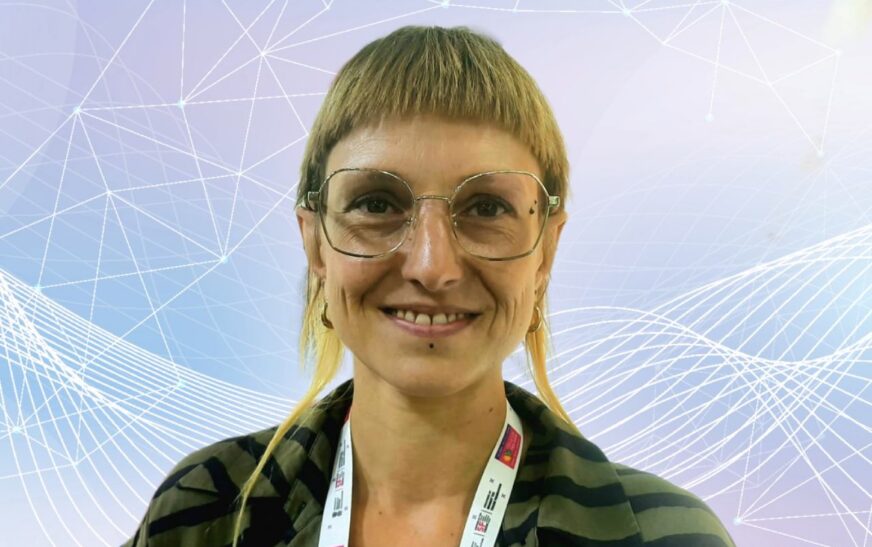
In an exclusive interaction with The Interview World at Bharat Tex 2026, Jolien De Lepeleire, Product Certifier, OEKO-TEX® at Centexbel, discusses the organisation’s core offerings for the textile industry, provides an in-depth overview of its consultancy services, explains the significance of OEKO-TEX® certification, and shares her perspective on India’s growing importance as a strategic market. Presented below are the key insights from this engaging and thought-provoking conversation.
Q: Could you elaborate on the core services your company provides to the textile industry?
A: Centexbel is one of Belgium’s foremost knowledge and research institutes for the textile sector. The organisation offers a comprehensive range of testing services, including physical and chemical analysis, supported by specialised facilities such as an advanced fire laboratory and a dedicated coating platform.
In addition, Centexbel conducts extensive research across several emerging domains. Its work spans textile recycling, bio-based polymers, and other sustainable material innovations. The institute undertakes both publicly funded and industry-driven research projects, enabling it to address evolving market needs while advancing scientific and technological progress.
Furthermore, Centexbel houses a state-of-the-art microbiology laboratory, reinforcing its multidisciplinary capabilities. Its facilities in Grâce-Hollogne, located in southern Belgium, serve as a major hub for research, testing, and innovation.
Beyond research, Centexbel delivers high-value consultancy services across all its areas of expertise. Its in-house specialists provide detailed technical guidance, strategic advisory support, and process optimisation solutions, helping organisations improve operational efficiency, enhance product performance, and accelerate innovation.
Q: Could you explain the consultancy services your organization provides in detail?
A: Centexbel offers specialised consultancy services across a wide spectrum of textile domains. Its experts advise clients on dyeing, floor coverings, recycling, and compliance with evolving European Union regulations. In addition, the organisation provides tailored technical consultancy to help businesses address complex challenges, improve processes, and remain competitive in international markets.
Alongside consultancy, Centexbel delivers comprehensive testing services to support product development and regulatory compliance. The organisation also maintains a robust certification portfolio. Its in-house capabilities include certifications for personal protective equipment (PPE), maritime applications, CE marking, and ISO standards for flooring, among others.
Equally significant is Centexbel’s role in administering OEKO-TEX® certification—one of the most recognised standards in the global textile industry. For companies seeking entry into the European market, OEKO-TEX® has become an essential credential and, in many cases, a commercial imperative.
The certification assures consumers that the textiles they wear and handle are free from harmful chemical substances. At the same time, it promotes safer chemical practices throughout the manufacturing process. As a result, OEKO-TEX® safeguards both end users and producers, reinforcing trust, transparency, and sustainability across the textile value chain.
Q: Can you share insights into OEKO-TEX® certification and standardization services provided by your organization?
A: OEKO-TEX® is an international association comprising 17 independent research and testing institutes that collectively offer a comprehensive portfolio of certification solutions for the textile and leather industries.
Among its most widely recognised certifications is STANDARD 100 by OEKO-TEX®, which applies to virtually every textile product. From yarns and fabrics to diapers, sofas, apparel, and home furnishings, the certification verifies that products are free from harmful substances and are safe for human use. In addition, it reflects a broader commitment to environmental responsibility throughout the value chain.
Another key certification is STeP by OEKO-TEX® (Sustainable Textile and Leather Production). This certification evaluates manufacturing facilities against six critical pillars: quality management, environmental performance, chemical management, health and safety, social responsibility, and overall operational excellence. Furthermore, the assessment process includes rigorous audits and on-site inspections to ensure compliance. By certifying the entire organisation rather than individual products, STeP demonstrates a company’s commitment to sustainable and responsible production practices.
OEKO-TEX® also offers ECO PASSPORT, a certification specifically designed for chemical products used in textile and leather manufacturing. This certification assesses chemicals through a multi-stage verification process to ensure they meet stringent environmental and human health requirements.
Complementing STANDARD 100 is LEATHER STANDARD by OEKO-TEX®, which applies the same rigorous criteria to leather products. Additionally, OEKO-TEX® provides certification for organic cotton materials. This standard verifies products containing a minimum threshold of organically grown cotton, thereby supporting traceability, sustainability, and responsible sourcing across the supply chain.
Together, these certifications establish a globally recognised framework that promotes product safety, sustainable manufacturing, and consumer confidence across the textile ecosystem.
Q: How do you view India as a strategic market?
A: India represents a market of immense potential. The country possesses a strong manufacturing base and remains one of the world’s leading producers of cotton, making it a pivotal player in the global textile value chain.
Therefore, engaging directly with the Indian market presents a valuable opportunity to understand its growth drivers, identify the challenges businesses face, and assess the key requirements for accessing European markets. Equally important, it enables us to work closely with Indian manufacturers and exporters as they navigate increasingly stringent expectations around compliance, sustainability, and product safety.
Our objective is not only to facilitate market access but also to support Indian companies in aligning with global best practices. By doing so, we can help them strengthen their competitive position, embrace sustainable production models, and build safer, more responsible supply chains that meet the evolving demands of international consumers.