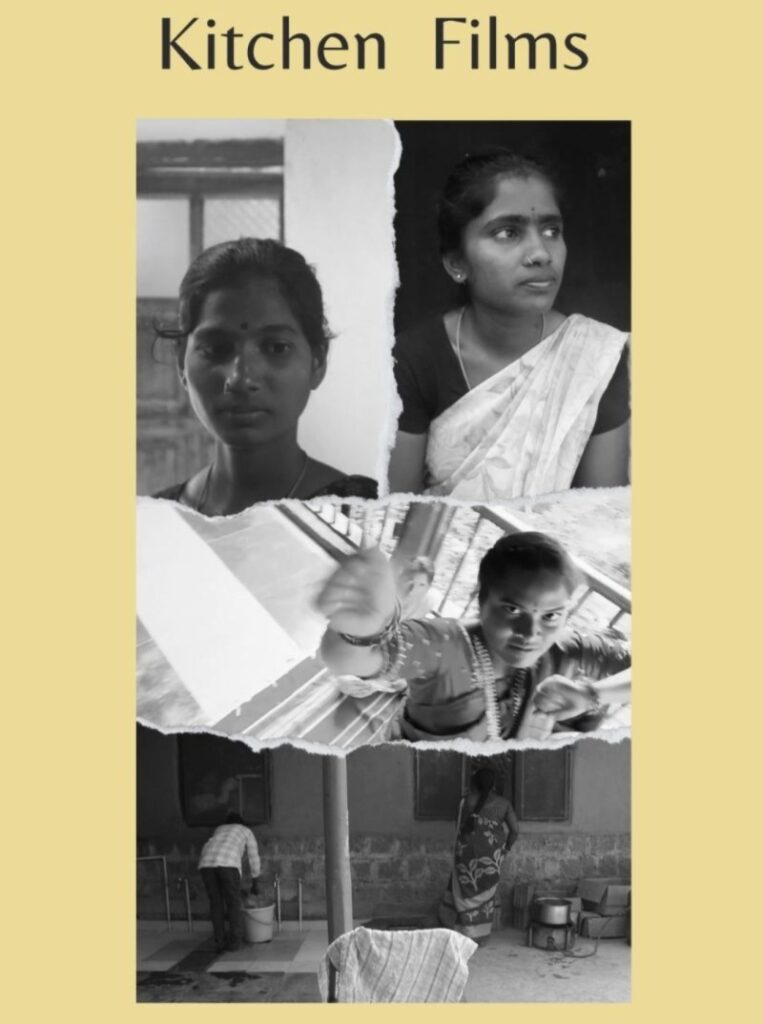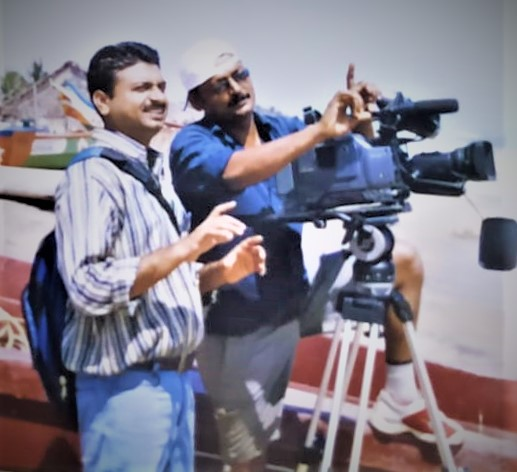

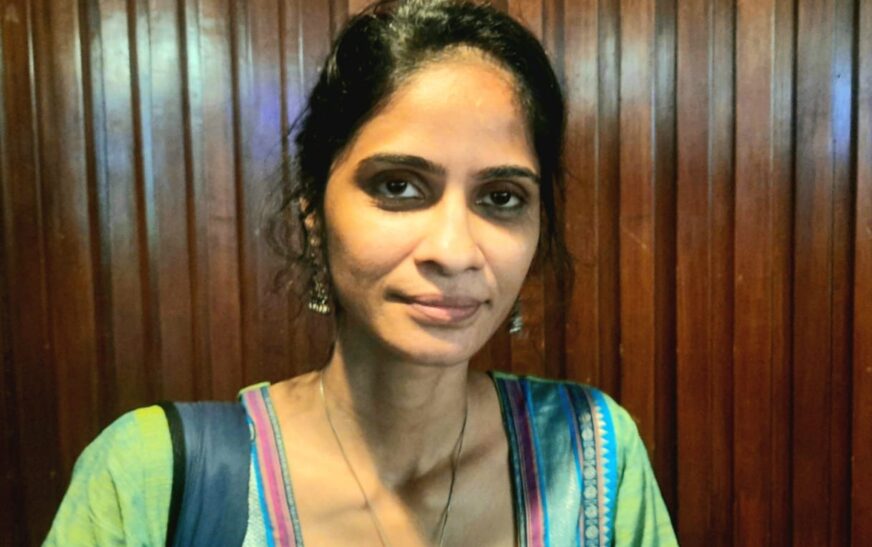
Kitchen Films, directed by N. Lavanya Ramaiah, is a participatory documentary project that grew out of year-long filmmaking workshops with rural women in Kudali, Badampet, in Telangana, India. Through this initiative, Ramaiah invited women, many of them wives and mothers who had never handled a camera, to learn filmmaking and document their own lives. As the workshops progressed, these first-time filmmakers began to transform everyday experiences into cinematic narratives.
The film series therefore places the everyday lives of rural women at its centre. It deliberately situates the camera within domestic spaces, especially the kitchen, and turns routine acts such as cooking and household chores into powerful reflections on identity, agency, and gender roles. In doing so, the films elevate ordinary moments into compelling testimonies of lived reality.
At the same time, the participants use intimate visuals and personal storytelling to expose emotional and structural inequalities that often remain invisible within family life. Their narratives reveal how gendered expectations quietly shape domestic relationships and social hierarchies.
Ultimately, Kitchen Films reclaims the kitchen as more than a site of domestic labour. Instead, it reframes this space as a creative and political arena where women critically examine their lived experiences and assert authorship over their own stories.
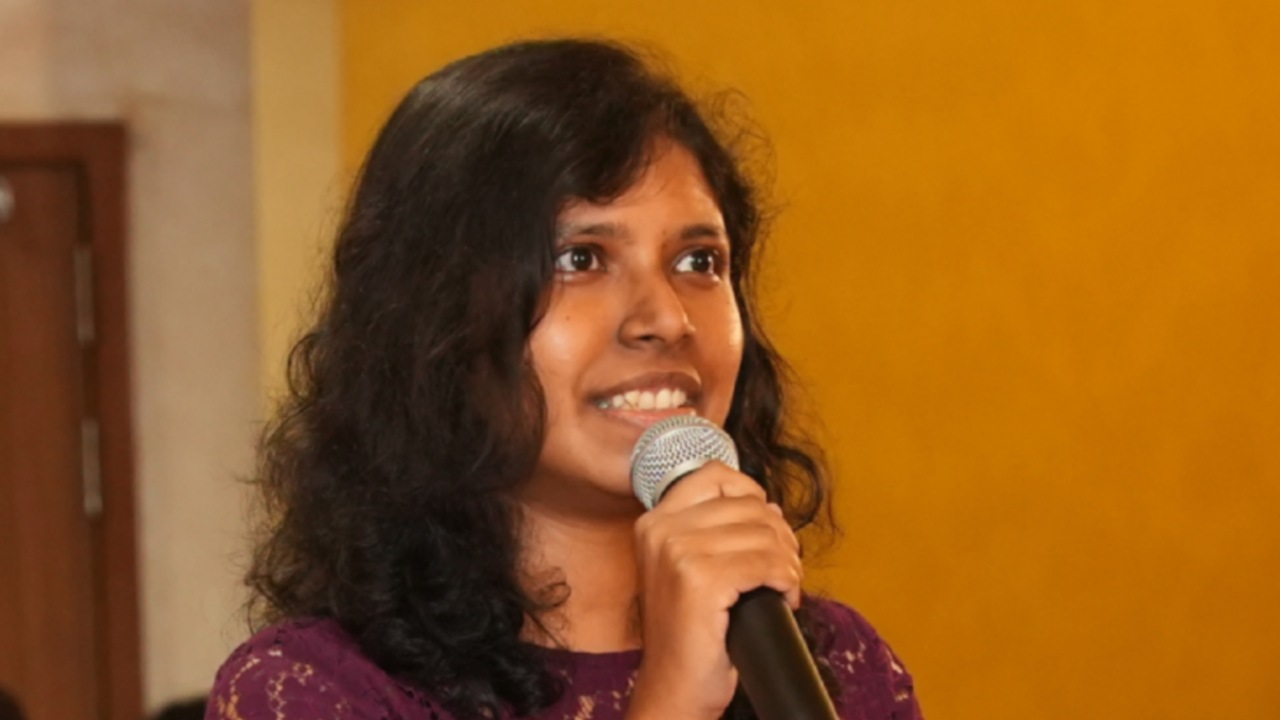
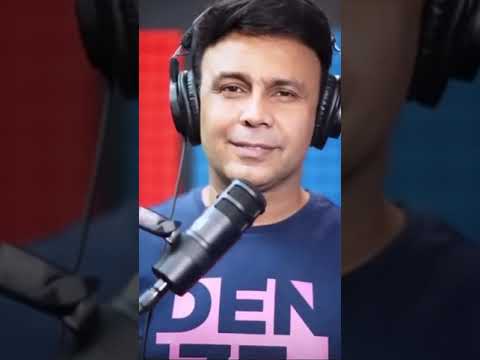
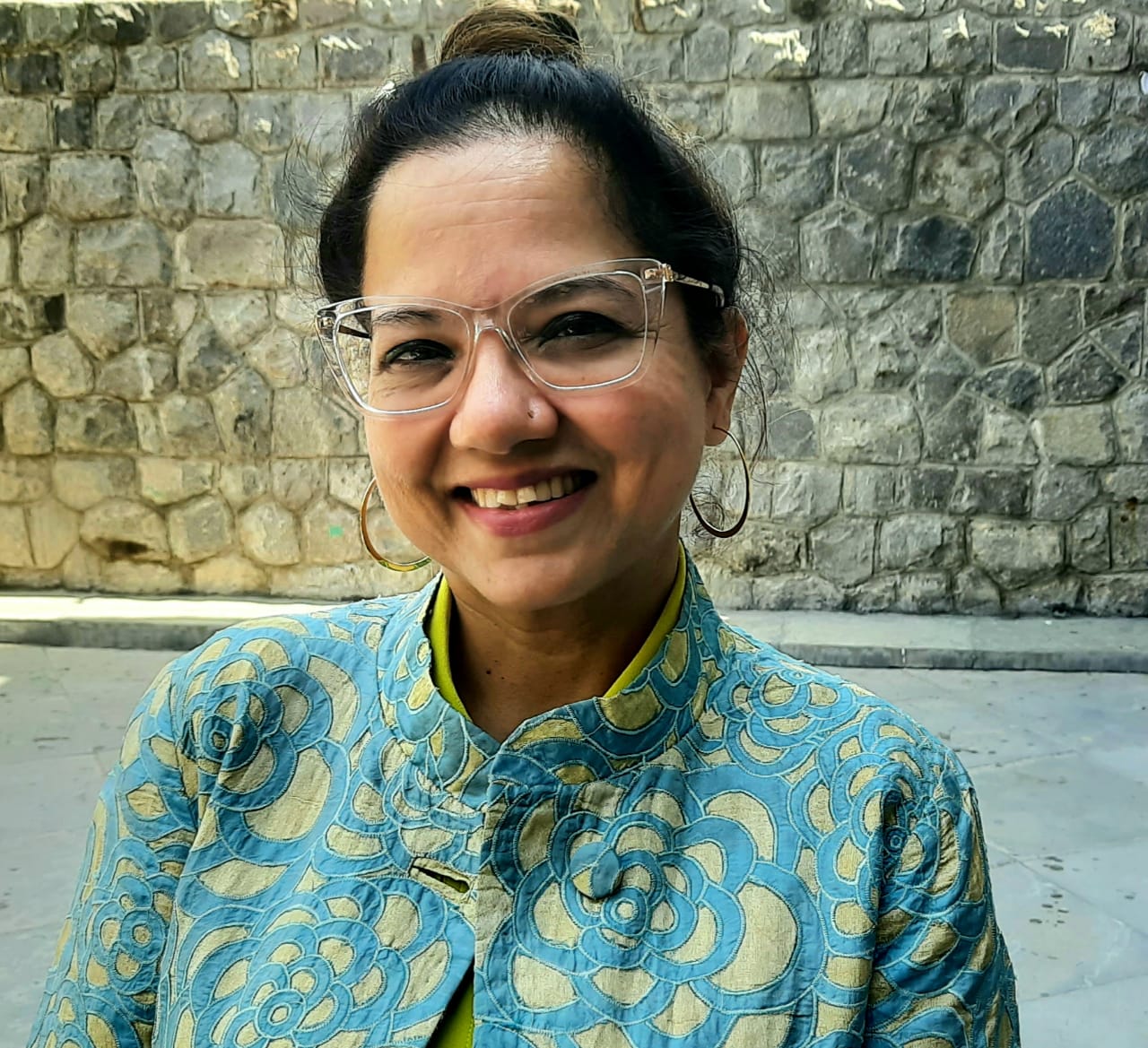
In an exclusive conversation with The Interview World at the Asian Women’s Film Festival, organised by the International Association of Women in Radio and Television India Chapter, Ramaiah discusses the central vision behind Kitchen Films. She also reflects on the persistence of caste and gender discrimination in Indian society even after nearly eight decades of independence. Furthermore, she explains how cinema can challenge and dismantle such entrenched inequalities. Finally, she outlines her plans to take the film to wider audiences. What follows are the most compelling insights from that conversation.
Q: What is the core idea behind Kitchen Films?
A: My primary objective was to enable these women to tell their own stories: stories rooted in the realities of their everyday lives. Initially, I had encouraged them to address broader themes such as caste and gender. However, they did not feel inclined to speak about these issues in abstract or overt terms. Instead, they chose to narrate small, ordinary incidents from their daily routines. Yet, through these seemingly simple accounts, they made profound statements about caste and gender. In fact, by recounting how they navigate everyday situations, they revealed how these social hierarchies shape their lived experiences.
Q: Do you think caste and gender discrimination are still prominent in our society even after nearly 80 years of independence?
A: Yes, caste and gender discrimination remain deeply entrenched in our society. They continue to operate with striking persistence. In urban spaces, however, these inequalities often appear more concealed, especially within educated circles. As a result, they may not surface as openly in settings like this. Yet concealment does not mean absence. The structures still exist, though they function in subtler ways. In contrast, villages reveal these hierarchies far more visibly. Even today, caste and gender discrimination remain stark and unmistakable in rural life.
Q: How can films help eradicate caste and gender discrimination?
A: These forms of discrimination cannot disappear overnight; dismantling them will take time. They run deep within the fabric of our society. Patriarchy, in particular, has become so deeply internalised that many women themselves uphold its boundaries. For instance, when we tell them that they are free to walk wherever they wish, they often hesitate and respond, “No, we cannot.” Similarly, when we suggest that they remove the veil for a shot, they refuse, insisting that it is not possible. Such reactions reveal how thoroughly these norms have shaped everyday behaviour. Consequently, change cannot occur instantly. It will require sustained effort, and perhaps many years, before these deeply ingrained patterns begin to shift.
Q: How do you plan to take this film to a wider audience?
A: I believe meaningful change begins when people can watch films in their own language. That connection matters because language makes ideas accessible and relatable. During this project, however, we encountered a major challenge. When we tried to discuss issues such as caste and gender, we realized that we had almost no films in Telugu that we could show the participants. As a result, we lacked a local cinematic reference point for those conversations. Consequently, this project has taken on an additional significance. In fact, it has become one of the first films in Telugu that communities now screen to initiate discussions about caste and gender.