
NCDEX plays a pivotal role in building market infrastructure, robust risk management, and institutional support that actively reshape India’s agricultural economy. It demonstrates how the exchange empowers farmers and Farmer Producer Organizations (FPOs) through transparent price discovery, effective hedging instruments, targeted capacity building, and expanded digital market access. At the same time, it confronts structural realities: uneven technology adoption, the economic constraints limiting organic and bio-based farming, and the gap between policy ambition and farm-level feasibility. Against this backdrop, NCDEX underscores the long-term potential of cooperative models. Taken together, these perspectives deliver a grounded appraisal of what is delivering results, what remains aspirational, and why policy alignment, technological enablement, and collective action must converge to create durable value for India’s farming community.
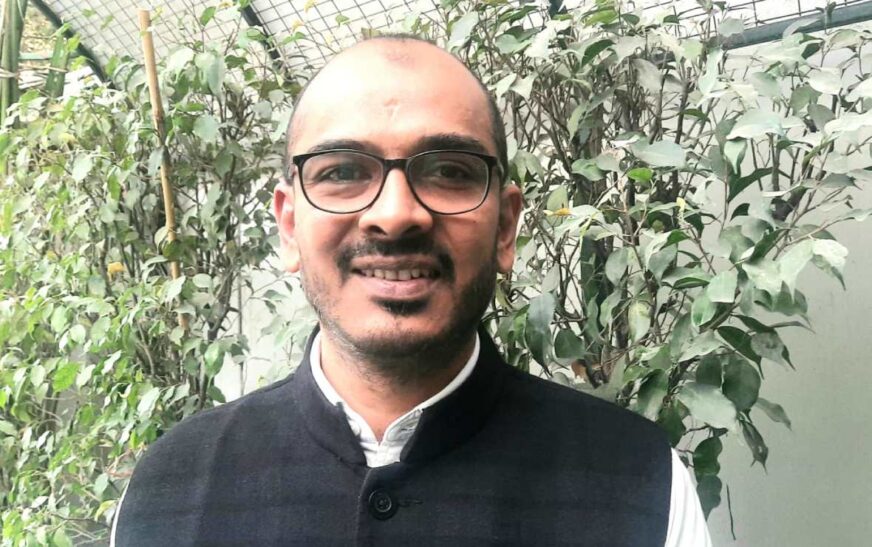
In an exclusive interaction with The Interview World at the 4th All India Progressive Farmers Convention, organised by the Agriculture Today Group, Vinit Sharma, Senior Vice President, NCDEX, articulates the organisation’s mandate and detail its on-the-ground interventions to integrate farmers into exchange-based trading. Sharma assesses the realistic pace of technology adoption, defines the conditions necessary for scaling biofertilizer usage, and advances a persuasive argument for cooperation over fragmented, individual farming practices. The discussion that follows privileges economic realism over rhetoric, offering clear-eyed insights into the constraints, choices, and pathways shaping the future of Indian agriculture.
Q: How does NCDEX support farmers across the country, and what specific services does it provide?
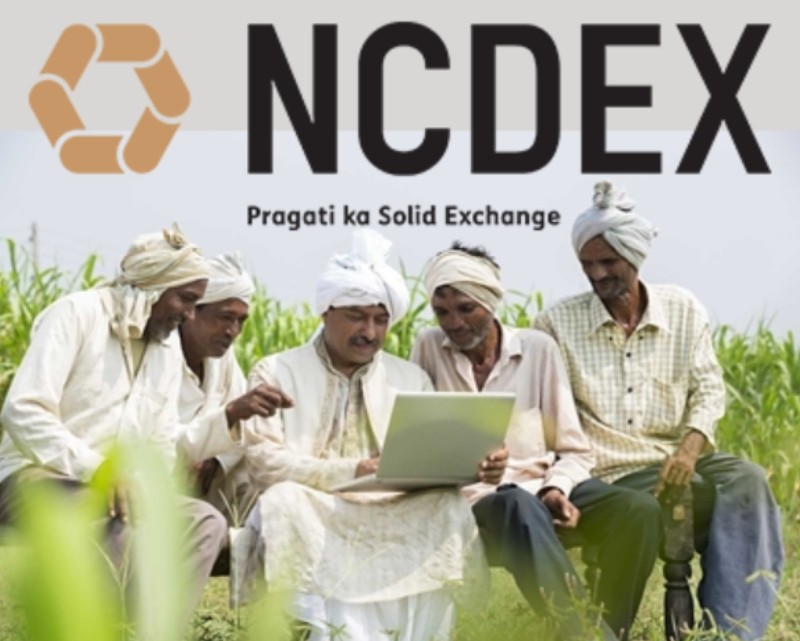
A: NCDEX (National Commodity & Derivatives Exchange Ltd.) plays a critical role in strengthening India’s agricultural economy by empowering farmers with transparent, technology-driven market access and robust price risk management tools. It operates a nationwide electronic marketplace that enables reliable price discovery, allowing farmers and Farmer Producer Organisations (FPOs) to make informed selling decisions rather than relying on fragmented local markets. Through futures and options contracts, NCDEX actively helps farmers hedge against price volatility, stabilise incomes, and plan sales with greater certainty.
Beyond trading infrastructure, NCDEX invests heavily in capacity building. It conducts structured training programmes, awareness campaigns, and investor education initiatives that equip farmers and FPOs with practical knowledge of commodity markets, quality standards, and risk management. At the same time, dedicated call centres and information services deliver real-time price data and operational guidance, ensuring continuous market connectivity.
Importantly, NCDEX prioritises FPO integration by supporting onboarding, aggregation of produce, and direct participation in exchange-based trading. Collectively, these interventions enhance price realisation, improve cash-flow resilience, and firmly integrate farmers into India’s formal agricultural market ecosystem.
Q: How are farmers and Farmer Producer Organizations (FPOs) improving the competitiveness of their produce and securing better pricing, and to what extent are they willing to adopt new technologies to achieve this?
A: At present, participation remains below 25 percent. However, those who have engaged are delivering exceptional results. They are open to change, quick to adopt new technologies, and deliberate about managing price risk. At the same time, they focus on improving crop yields and strengthening overall farm performance.
This leads back to the central point: initiative drives outcomes. Farmers who demonstrate curiosity and commitment are already moving ahead. Conversely, those who remain hesitant or resistant continue to lag behind.
Q: Given the challenges farmers face with spurious pesticides and the adoption of biofertilizers, what way forward do you envisage to address these issues?
A: The core issue is economic vulnerability. Most farmers cannot afford to forgo even a single cropping cycle. In contrast, transitioning to organic or bio-based cultivation requires land to remain free of pesticides and chemical inputs for at least four years.
Consequently, the responsibility must shift to the government to provide targeted incentives and transition support that make organic adoption viable. Without such backing, the financial burden falls entirely on farmers. They alone absorb the income loss during the conversion period.
Therefore, only those with sufficient financial capacity to sacrifice earnings for four consecutive years can realistically adopt organic farming. For the majority, however, this transition remains impractical unless public policy mitigates the risk and compensates for the interim losses.
Q: Do you believe cooperative farming can deliver greater economic benefits to farmers compared to traditional individual farming models?
A: In the future, this potential will clearly materialize, though not immediately. For that to happen, farmer collectives must adopt a more open and progressive outlook. Specifically, they must be willing to embrace new ideas, adopt emerging technologies, and integrate modern price risk management mechanisms. They must also stay aligned with the technological advancements already shaping the sector.
If they do so, Farmer Producer Organizations and other farmer collectives will undoubtedly generate substantial value. More importantly, they will be able to transmit these gains directly to the grassroots level, ensuring that member farmers benefit in a tangible and sustainable manner.