

The Indian agri-input industry stands at a pivotal moment, ready to grow amid rising global food demand and the urgent need for sustainable farming solutions. Even during disruptive events like COVID-19, agriculture demonstrated remarkable resilience, highlighting its strategic importance. As farmland shrinks and farmers strive to maximize productivity, the focus is increasingly on high-quality inputs that boost immediate yields while preserving long-term soil health. While chemical fertilizers remain essential, biological solutions, such as biofertilizers, biopesticides, and biostimulants, are gaining traction, as farmers recognize their environmental and agronomic benefits. Emerging technologies, particularly in mechanization and digital AgriTech, promise to enhance efficiency. However, their widespread adoption hinges on affordability, accessibility, and clear demonstration of value. With only a fraction of farmers embracing progressive practices, bridging the gap between innovation and practical implementation remains the sector’s foremost challenge.
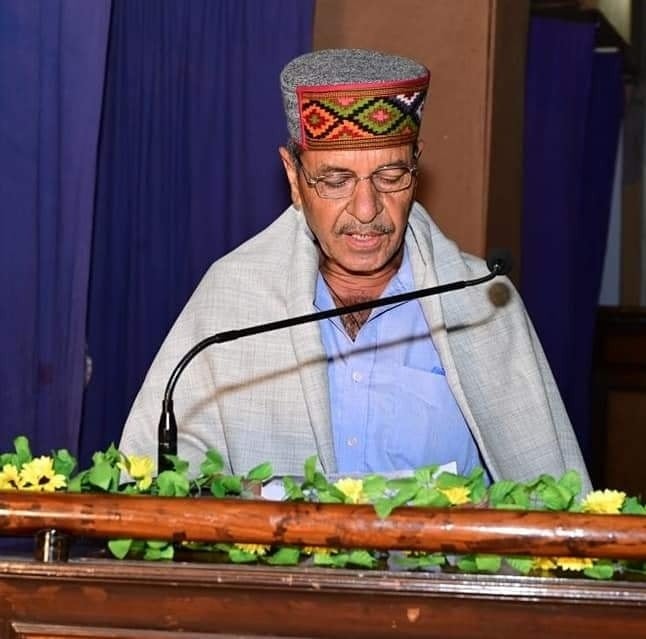
Against this backdrop, The Interview World interacted with Dr. Megha Joshi, Vice President of Q&Q Research Insights Pvt. Ltd., at the 4th All India Progressive Farmers Convention, organized by the Agriculture Today Group. In the discussion, Dr. Joshi offered insights on the industry’s growth trajectory and identified the innovations most critical for its advancement. She emphasized the balanced use of chemical and biological inputs to maintain productivity, highlighted the transformative role of emerging technologies in enhancing production and ensuring food security, and stressed that affordability and accessibility are key to driving adoption. The following are the key takeaways from her compelling conversation.
Q: What agricultural research services and insights does Q&Q provide?
A: Q&Q is a leading market research organization specializing in the agri-input industry. We conduct comprehensive market surveys that engage farmers and all stakeholders involved in agriculture, including retailers, distributors, sales channels, agricultural experts, and scientists from universities and research stations. By reaching out to these stakeholders, we gather critical insights and deliver actionable findings to the agri-input industry. This enables our clients to make informed decisions and optimize their strategies.
Q: What is your perspective on the growth trajectory of the Indian agri-input industry, and what types of innovation or value addition are most critical for its advancement?
A: Even during COVID, we observed that the agriculture and health sectors remained fully operational. Looking at growth prospects, agriculture is unlikely to decline, given the rising global food demand over the next 10 to 20 years. Consequently, the entire agri-input industry is poised for growth, as farmers seek ways to increase yields on shrinking land.
Achieving higher output requires high-quality inputs—not only chemical fertilizers but also biological products. Currently, excessive chemical use is damaging soil health and the environment. However, farmers are increasingly recognizing these issues and actively seeking sustainable alternatives. They are gradually shifting toward biological solutions, including organic manure, biofertilizers, biopesticides, and biostimulants, to maintain and enhance productivity.
The future of agriculture lies in a balanced approach, combining both chemical and biological inputs. This integrated strategy will drive industry growth while promoting sustainable farming practices.
Q: Considering the need to maintain high agricultural production to feed a large population, do you think this can be achieved without chemical inputs?
A: Maintaining high agricultural production without chemical inputs is extremely challenging. Some farmers practice fully organic farming, but achieving that level requires significant patience. A complete switch from chemical to biological or organic inputs initially causes yields to drop—a risk that small and marginal farmers in India cannot afford.
As a result, adoption of organic practices remains low. Farmers are unwilling to compromise short-term yield, even though organic methods pay off over time. Within three to five years, as the soil becomes richer in organic matter and more fertile, yields naturally increase. However, this requires patience that most farmers simply do not have.
Q: What strategic actions or directions should be pursued moving forward?
A: A balanced approach combining chemical and biological inputs is essential. Recently, we met a vegetable farmer in Tamil Nadu who illustrated this perfectly. He explained, “I know I cannot farm without chemicals. I have to spray pesticides every four to five days.” However, he has started integrating biologicals into his routine. By replacing even two out of four chemical applications with biological alternatives, he achieves multiple benefits.
His crops remain protected, pests and diseases are controlled, and the soil retains better health. While the reduction is modest, using two fewer chemical applications means less chemical residue in the field and a healthier ecosystem overall. This demonstrates how integrated pest and nutrient management (IPNM) techniques, combining chemical and biological inputs, can sustainably optimize productivity.
Q: Which emerging technologies do you see playing a pivotal role in agriculture to enhance production and ensure food security?
A: In the last four to five years, AgriTech has experienced remarkable growth. Mechanization and digital solutions are advancing rapidly, and adoption is increasing across the sector. However, for any technology to succeed, it must meet three essential criteria.
First, it must be affordable. Second, it must be user-friendly, as many farmers struggle to adopt complex solutions. Third, it must be accessible, since much of the technology developed today does not reach the majority of farmers.
Technology that meets these three criteria is poised for widespread adoption. It must convincingly demonstrate to farmers that it improves productivity, maintains yields, enhances quality, or delivers better prices. When these benefits are clear, adoption naturally follows.
Q: Are Indian farmers prepared to adopt the latest technologies and advancements emerging in the agriculture sector?
A: Farmers in India are gradually adopting the latest technologies, but only 15 to 20 percent can be considered progressive. The majority still practice subsistence farming, producing primarily for their own sustenance. The mindset of pursuing profitability or becoming a progressive farmer has not yet fully taken hold.
Technology adoption occurs when farmers are convinced of its long-term benefits. The key is to clearly demonstrate the value of a particular innovation and how it can improve their productivity, income, or efficiency. Once farmers see tangible benefits, they are willing to embrace new technologies.