
India’s refrigeration sector is entering a transformative era where efficiency aligns seamlessly with sustainability. The age of bulky, energy-intensive systems is fading. In their place, variable-speed technology and eco-friendly refrigerants are reshaping the way we cool, heat, and store. At the forefront, CO₂ heat pumps deliver rapid heating while simultaneously capturing residual cooling. Equally disruptive, multi-utility cold storage facilities are redefining post-harvest preservation, cutting food losses, and ensuring longer shelf life.
With advanced showcases already on display and private players channelling significant investments, the industry stands on the brink of accelerated growth. Yet, experts argue that stronger government support, especially for localization, could further turbocharge this shift, making advanced refrigeration solutions more affordable, accessible, and scalable nationwide.
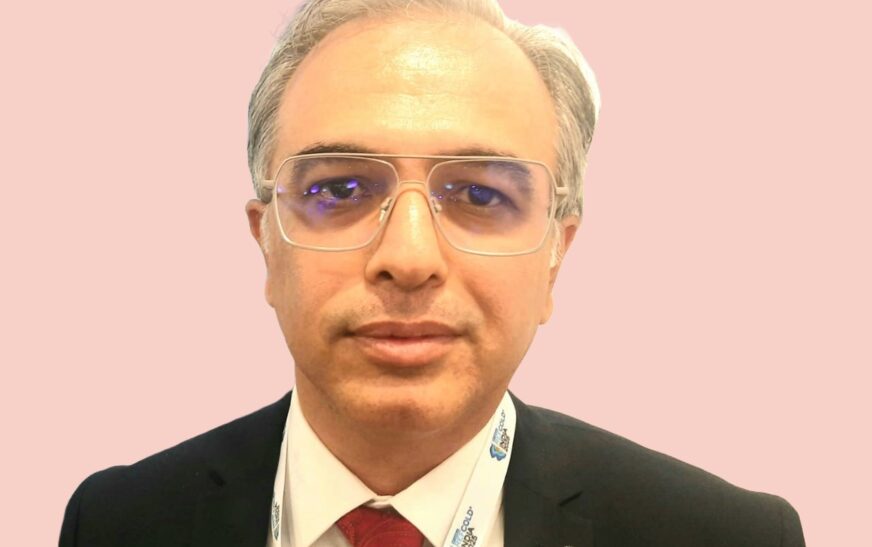
At REFCOLD India Expo 2025, in an exclusive conversation with The Interview World, Madhur Sehgal, Head of Climate Solutions Sales, India Region, Danfoss Industries Pvt. Ltd., outlined this transformation in depth. He unpacked the cutting-edge technologies shaping the refrigeration sector, spotlighted India’s emerging developments, and highlighted innovations in multi-utility refrigeration aimed at reducing post-harvest losses. He also underscored the critical policies required to propel the industry forward. The following takeaways capture the essence of his compelling insights.
Q: What technological advancements are currently taking place in the refrigeration sector in the country?
A: Five years ago, refrigeration systems were still basic and inefficient. Today, the picture is changing dramatically. The first major shift is the adoption of variable-speed technology. Just as modern air conditioners in homes now modulate speed to enhance efficiency, the same innovation is transforming refrigeration. Since refrigeration systems operate 24/7, 365 days a year, variable speed becomes even more critical. By adjusting output to demand, these systems can save substantial amounts of energy, a clear and measurable advantage.
The second breakthrough lies in the transition to eco-friendly refrigerants. Among them, CO₂ stands out as a game-changer. Traditionally, heating required boilers that consumed significant fuel just to produce hot water or steam, often wasting energy in the process. A CO₂ heat pump, by contrast, delivers heating far more efficiently, and much faster, without burning fuel. At the same time, it generates residual cooling that can be reused within a building. In effect, a single system provides two benefits: rapid, fuel-free heating and valuable cooling as a byproduct.
Q: When are such developments expected to take place in India?
A: The transformation is not just a vision; it is already underway. We have completed seven showcases across India in collaboration with local contractors, supported by experts from Denmark and our own teams. These demonstrations cover diverse applications: one in air conditioning, another in CO₂-based refrigeration, and a third in heat pumps. Each showcase now serves as a live model for Indian manufacturers, enabling them to study, replicate, and scale these advanced systems across the country.
Q: What new innovations are emerging in multi-utility refrigeration to help reduce post-harvest losses?
A: When we talk about refrigeration, facilities must be designed to handle multiple temperature requirements: medium, low, and even ultra-low, while also offering food processing capabilities. In this space, private players have stepped in with integrated solutions tailored to the needs of contractors and regional stakeholders.
Many modern cold storage facilities now provide end-to-end services. For example, they support banana ripening, enable post-harvest processing, and offer packaging solutions, including cutting, sorting, and packing. Producers can bring their goods into these centers, carry out value-added processing, and even rent dedicated space for storage and operations.
Across both northern and southern India, private investors have already committed significant resources to building such facilities. The sector continues to evolve, but a strong foundation is already in place, with multi-utility cold storages emerging as vital hubs for reducing losses and extending food value chains.
Q: What policies are needed to promote and strengthen this industry?
A: Government support plays a decisive role in shaping the future of refrigeration. To accelerate progress, policymakers must prioritize localization. Faster localization will naturally reduce equipment costs and make advanced technologies more accessible. At present, the industry operates with limited bandwidth, as manufacturers shoulder the responsibility on their own. However, with targeted incentives and stronger government backing, localization can scale rapidly, driving affordability, wider adoption, and sustainable growth across the sector.