

The refrigeration industry in India stands at a decisive turning point. Valued at $10 billion in 2024, it is on track to surge to $75 billion by 2033, making it one of the fastest-growing sectors in the country. This remarkable trajectory stems not only from the government’s strategic focus but also from the urgent need to tackle post-harvest food losses, which still consume nearly 30–35% of agricultural production.
At the heart of this growth lies a sweeping embrace of sustainability. By prioritizing energy efficiency, deploying natural refrigerants, and driving cost-cutting innovations, the industry is reshaping cold chain infrastructure. In doing so, it positions India to emerge as a future global hub for advanced refrigeration technology.
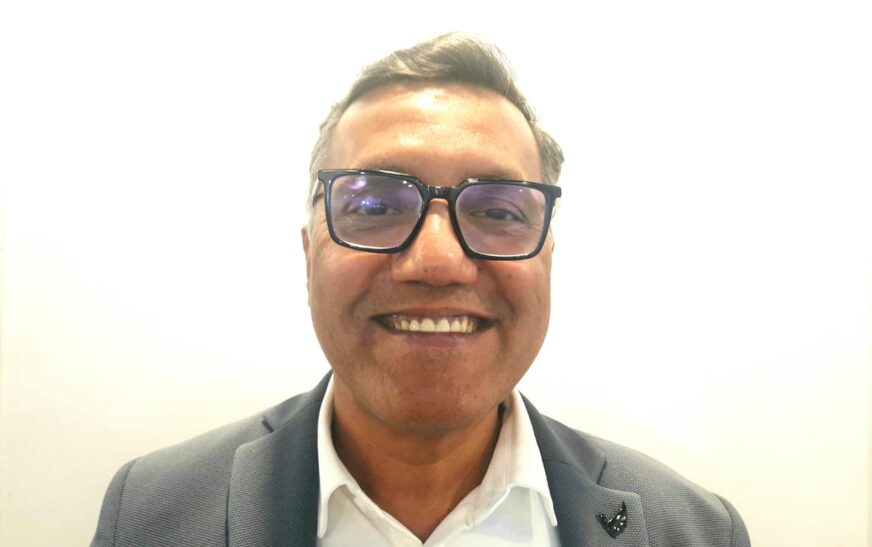
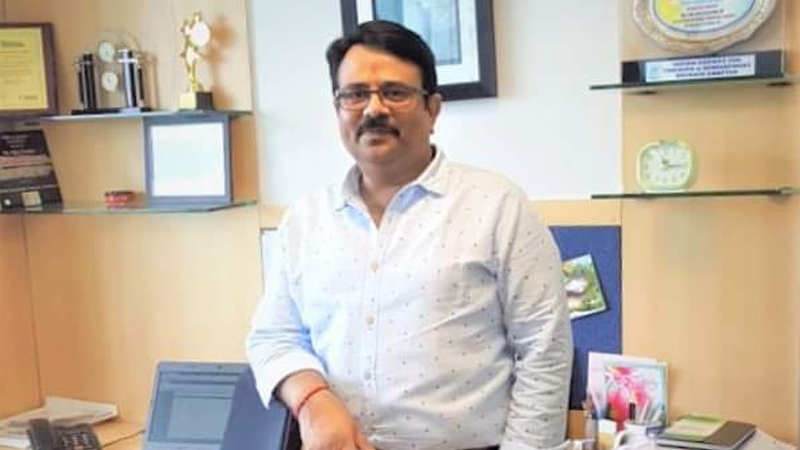
Against this backdrop, The Interview World spoke exclusively with Yogesh Mudras, Managing Director of Informa Markets, during the REFCOLD India Expo 2025. In this wide-ranging conversation, he outlined the industry’s market size and ambitious growth path, detailed its pivotal role in curbing food waste, and explained how renewable energy, especially solar power, is bolstering refrigeration systems. He also compared India’s technological progress with global benchmarks and underscored the critical need to strengthen domestic manufacturing infrastructure to support the rapidly expanding cold chain network.
Here are the key insights from that conversation.
Q: What is the current market size of the refrigeration industry in India, and how it’s projected to grow?
A: The refrigeration industry has already reached a valuation of $10 billion in 2024, making it one of the country’s fastest-growing sectors. Unlike air conditioning, which is expanding at a slower pace, refrigeration is accelerating rapidly, fuelled by strong government focus and rising demand. Over the next eight years, the industry is projected to soar to $75 billion by 2033, a more than seven-fold leap that underscores its extraordinary growth trajectory.
Q: In what ways is the refrigeration industry contributing to reducing post-harvest losses in the food industry, and what key innovations or emerging technologies are shaping this sector?
A: The central focus today is post-harvest loss reduction: a critical priority since nearly 30–35% of India’s aggregated food production is wasted before it ever reaches consumers. This show aims to strengthen the cold chain industry, which plays a pivotal role in cutting such losses. By doing so, India can enhance food self-sufficiency, expand exports, and unlock new economic opportunities.
At the exhibition, the spotlight falls on breakthrough technologies designed to drive sustainability and efficiency. Reducing emissions is a core goal. While the household sector has already adopted low-emission solutions, the commercial sector still requires targeted investments and innovative approaches. Encouragingly, the industry is making steady progress on this front.
Equally important is energy efficiency. Power accounts for nearly 40% of cold storage operating costs, making it the single largest expense. Advanced technologies now entering the market promise to slash energy consumption, cut power bills, and dramatically improve overall efficiency. These solutions not only lower costs but also create a more resilient and sustainable refrigeration ecosystem for India’s future.
Q: How are alternative energy sources, such as solar and other renewable forms, supporting the refrigeration industry in terms of efficiency, cost reduction, and sustainability?
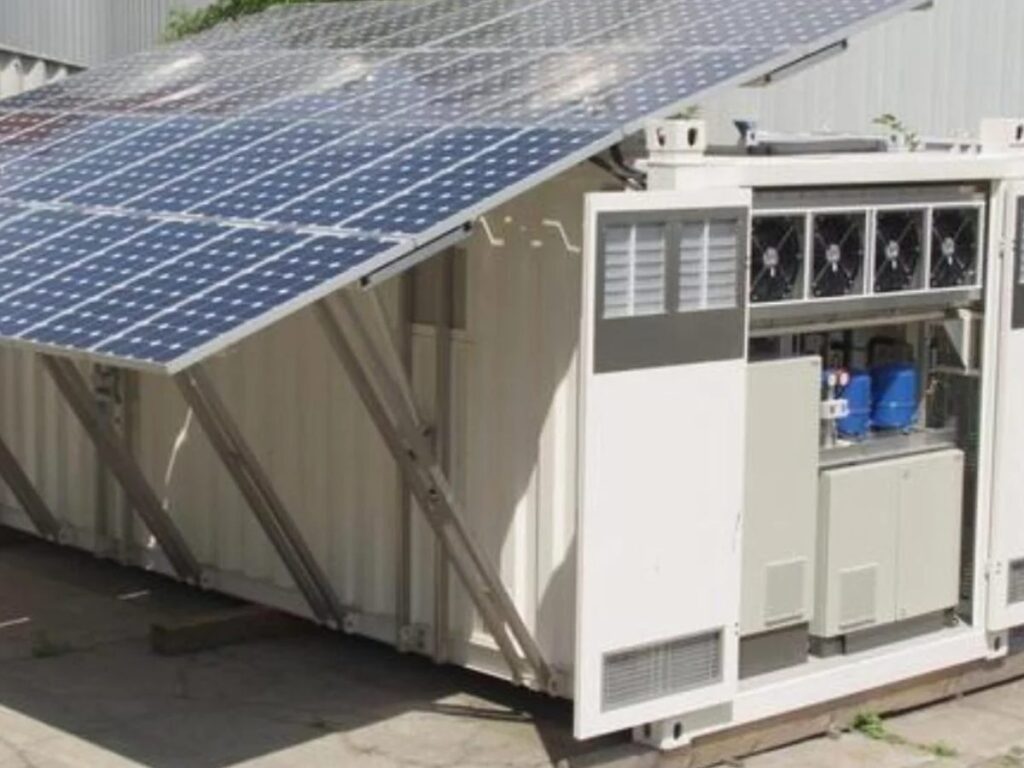
A: Solar energy has already begun powering a growing number of cold storages, significantly easing their electricity burden. At the same time, the refrigeration industry is shifting back toward natural refrigerants such as CO₂ and ammonia. By adopting these alternatives, operators can dramatically cut environmental impact, since they eliminate greenhouse gas emissions. These emerging signals point to a future where renewable energy and natural refrigerants converge to create a far more sustainable cold chain ecosystem.
Q: How does India’s current and emerging technology compare with that of developed countries, and what advancements can be expected in the coming years?
A: India is making steady progress, though it has not yet reached the technological maturity of Western markets. Many advanced solutions still remain concentrated in the West. However, leading global players such as Danfoss and Copeland are already present in India, showcasing their innovations and setting up manufacturing bases. By bringing these technologies into the country and building local capacity, they are accelerating India’s transition.
For now, India’s vast domestic demand absorbs most of the production, leaving little room for exports. Yet the government’s vision is clear: to establish India as a global hub capable of not only meeting internal needs but also exporting refrigeration technologies worldwide. That shift, already in motion, is likely to materialize sooner than expected.
Q: What scale of manufacturing infrastructure is needed in the country to adequately meet the growing requirements of the cold chain network?
A: India faces an enormous need for manufacturing infrastructure to support its rapidly expanding cold chain sector. For instance, the government has recently approved nearly 300 cold chain projects and parks across the country. While land and designated areas are being allocated, the success of these projects will ultimately depend on significant private investment. This will require not only financial approvals but also a robust ecosystem of skilled technicians to operate and maintain advanced systems. The demand for talent is immense, and building this workforce will demand sustained effort in skill development and training.
Platforms like this expo play a crucial role in addressing these challenges by bringing all stakeholders together. Today’s presence of the Secretary of the Ministry of Food Processing Industries underscores the importance of these interactions in shaping both policy and ground-level impact.
At Informa Markets and ISHRAE, our role is to create such forums that enable dialogue, foster information exchange, and forge partnerships. These collaborations lay the foundation for fresh investments and, ultimately, for the strong and sustainable development of India’s cold chain infrastructure.




1 Comment
What a great resource. I’ll be referring back to this often.
Comments are closed.