


Sa-Dhan stands as India’s trailblazer in inclusive finance. Recognized by the Reserve Bank of India as the nation’s first and largest Self-Regulatory Organization for microfinance, it has evolved into a powerhouse of credibility and influence. With more than 230 member institutions across 33 states and union territories, Sa-Dhan is far more than a network, it is a nationwide movement.
Its diverse members. ranging from microfinance institutions and banks to SHG promoters and knowledge partners< collectively touch over 63 million lives. They fuel livelihoods, strengthen resilience, and empower communities where change is needed most: at the grassroots. Together, these institutions manage an outstanding loan portfolio of ₹2,27,410 crore, demonstrating not only scale but also deep trust in the sector.
For over two decades, Sa-Dhan has operated at the vital intersection of policy, practice, and purpose. It amplifies the voices of low-income households, especially women, while aligning its mission with the Sustainable Development Goals. Through advocacy, research, and capacity building, Sa-Dhan does more than influence impact finance in India: it defines it.
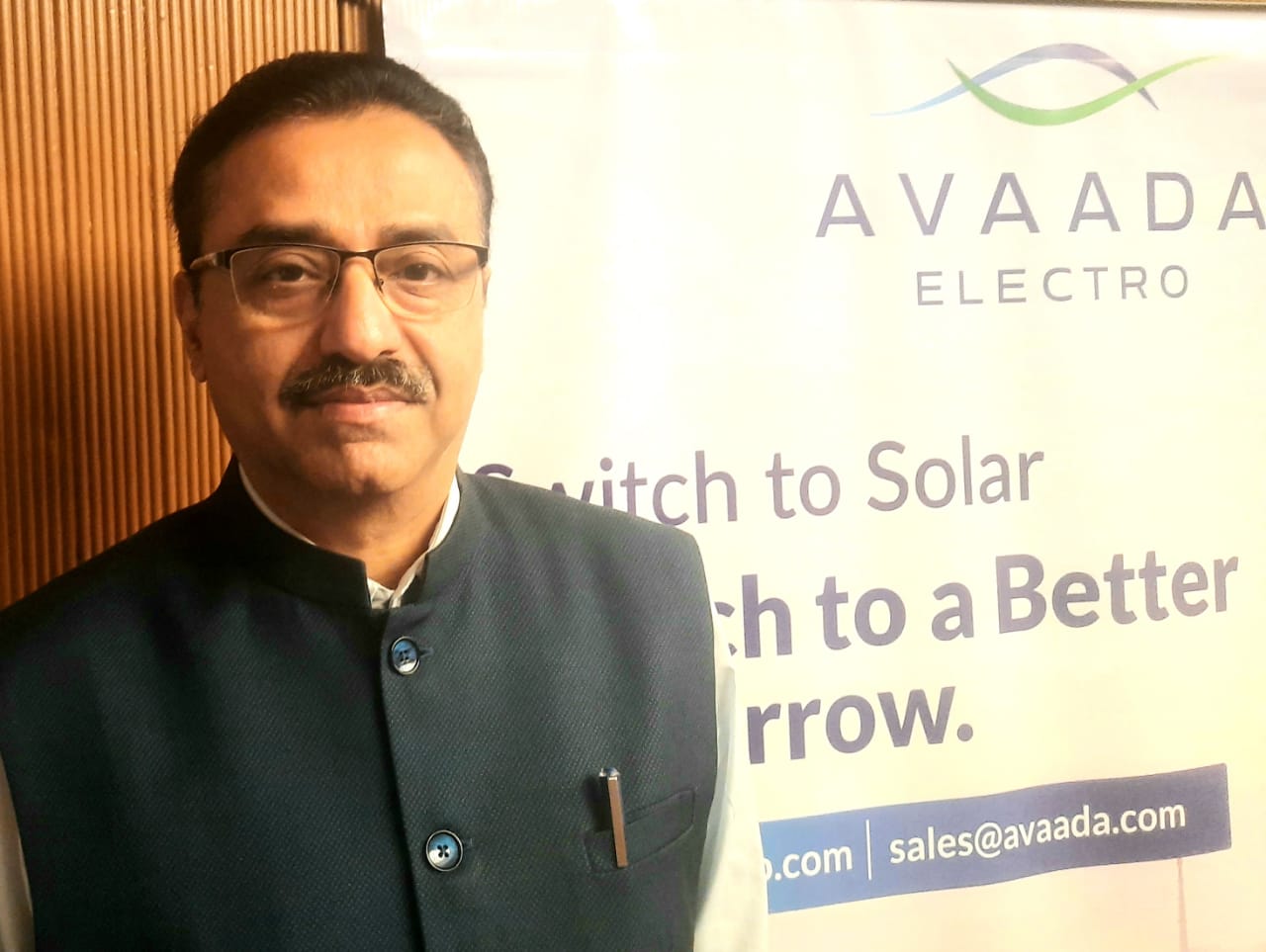
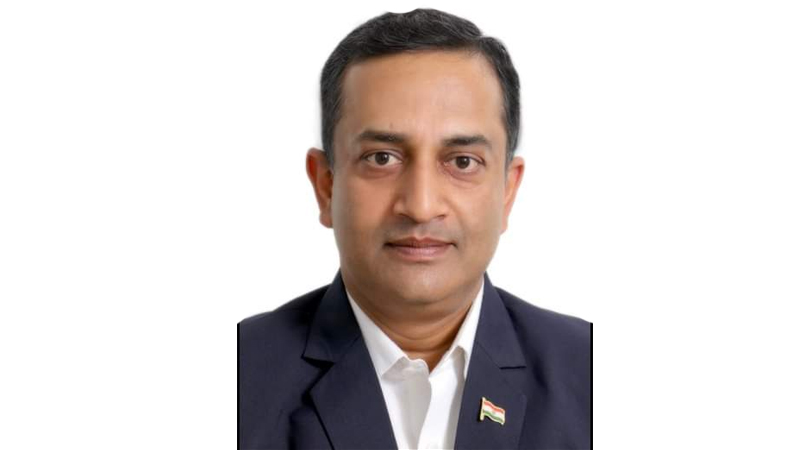
At the 2nd Edition of the Fintech Innovation Summit hosted by CII, The Interview World held an exclusive conversation with Jiji Mammen, Executive Director & CEO of Sa-Dhan. In this dialogue, he detailed the core services his organization delivers to the microfinance sector and explained the sustainability of its business model, particularly through borrower recoveries. He also emphasized the transformative role of AI in microfinance and laid out a bold vision for market expansion. The following are the key insights from this compelling exchange.
Q: Could you elaborate on the services that Sa-Dhan provides in the microfinance sector?
A: Sa-Dhan is not just a network; it is India’s foremost collective of microfinance institutions. Today, it brings together over 230 members, of which nearly 150 actively engage in microlending, while the rest strengthen the ecosystem through vital support services.
These institutions serve as lifelines for the poor by extending credit without collateral and delivering it directly to borrowers’ doorsteps. In doing so, they remove traditional barriers to finance and empower households to pursue livelihoods with dignity. This model lies at the heart of financial inclusion, for credit is the foundation upon which true inclusion rests.
As the national association, Sa-Dhan plays a pivotal role in enabling this mission. It supports members’ operations, advances their cause through strong policy advocacy, and ensures their voice is heard at every level of decision-making.
Equally important, Sa-Dhan acts as a self-regulatory body recognized by the Reserve Bank of India. It enforces a robust code of conduct, monitors members’ practices, and safeguards the integrity of the sector. By combining advocacy with accountability, Sa-Dhan ensures that microfinance institutions operate responsibly and in alignment with their greater purpose, serving the underserved with fairness and trust.
Q: How sustainable is your business model in terms of ensuring recovery from borrowers?
A: Microfinance has long been distinguished by its remarkable record of recoveries. Repayment rates consistently hover near 100%, historically averaging 98–99%. This success stems from the way microfinance institutions embed themselves within local communities.
They operate through a “feet-on-the-street” model, where field officers regularly engage with borrowers and maintain close personal connections. Borrowers, in turn, are organized into small groups: Self-Help Groups (SHGs) or Joint Liability Groups (JLGs). These groups become powerful platforms for learning, accountability, and shared responsibility.
Peer support, coupled with peer pressure, ensures timely repayment and strengthens the culture of credit discipline. As a result, the model has proven not only effective but also highly sustainable, making it one of the most reliable approaches in inclusive finance.
Q: Are you leveraging technologies such as AI and blockchain within your organization, and how are they impacting operations on the ground?
A: Technology has become integral to microfinance operations, driving both efficiency and scale. In fact, it has been a key enabler in expanding the sector’s reach. Today, microfinance institutions serve nearly 8 crore households through approximately 14 crore loan accounts, a scale that would be impossible to manage without technological intervention.
Naturally, with such vast numbers, digital tools are indispensable. They streamline processes, enhance transparency, and ensure services reach clients swiftly. More recently, artificial intelligence has begun to make inroads. Several microfinance institutions have already adopted AI-driven solutions for credit underwriting and credit assessment, strengthening risk management and improving decision-making.
By embedding technology at every stage, the sector is not only expanding access but also building a smarter, more resilient model of inclusive finance.
Q: Where do you see Sa-Dhan in the next 5 to 10 years in terms of market expansion and strengthening its offerings?
A: As I mentioned, Sa-Dhan is an association, a nationwide network of microfinance institutions. Looking ahead, I see microfinance expanding significantly over the next five to ten years. The demand for credit at the grassroots remains enormous. Current estimates place the need at nearly ₹25 trillion, yet the sector has so far addressed less than ₹4 trillion of that requirement.
This vast gap underscores the tremendous opportunities that lie ahead. Our mission is clear: to reach the underserved and extend credit in a far more responsible and impactful way. By doing so, we can not only meet urgent financial needs but also safeguard the well-being of millions who depend on inclusive finance for their livelihoods and dignity.


1 Comment
Excellent work! Looking forward to future posts.
Comments are closed.