

Agriculture is the foundation of India’s economy, yet it sounds as an oxymoron. The sector brims with potential but remains fettered by chronic neglect. Nearly half of India’s workforce depends on farming, but our agricultural GDP per hectare lags at barely one-third of China’s. This hiatus does not arise from a lack of toil. It stems from systemic deficiencies: outdated technology, poor-quality inputs, and the government’s failure to ensure MSP across crops.
Promises are made. Reports are written. Yet, little changes ascend on the ground. Farmers continue to sell at a loss while intermediaries reap the profits. If India aspires to build a trillion-dollar agricultural economy, it must act decisively. The way forward lies in empowering farmers with modern technology, ensuring fair and reliable pricing, and granting them direct access to markets. Only then can we transform India’s journey from field to fork. An aspiration that every Indian farmer desires to achieve.
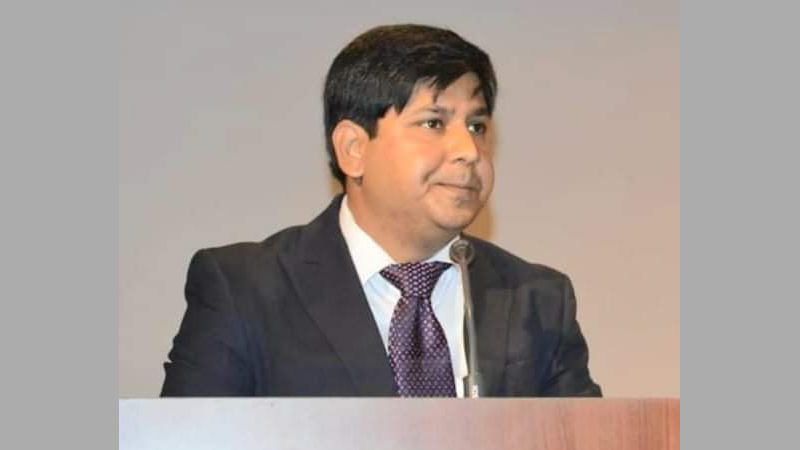
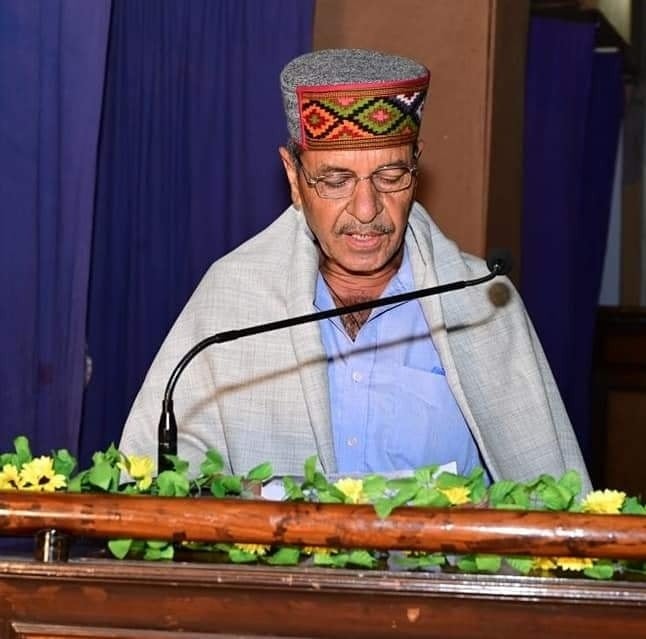
In this exclusive conversation with The Interview World, Dr. R. G. Agarwal, Chairman Emeritus of Dhanuka Agritech Limited, offers an unflinching assessment of India’s position in global agriculture. He identifies the most urgent challenges confronting farmers, sheds light on groundbreaking research and innovations shaping the sector, and explains how India can achieve self-sufficiency in edible oil production. The insights he shares are both compelling and catalytic.
Q: What is India’s true position in global agriculture when measured in terms of productivity, value creation, and GDP contribution?
A: We must confront an uncomfortable truth: India stands far behind in agricultural productivity. Our GDP per hectare is not just lower than the developed world, it is barely one-third of China’s. Even if we double productivity, or simply match China, agriculture alone could contribute an additional one trillion dollars to our economy. Yes, one trillion dollars. An opportunity waiting to be seized.
The ripple effect would be transformative. Every rupee earned in agriculture typically generates three rupees in services and industry. Farmers spend, markets respond, and the economic cycle gains momentum. A stronger agricultural base, therefore, is not just about farmers, it powers the entire economy.
So why does India remain stuck at one-third of China’s productivity? The reasons are structural and undeniable. During the last Kharif season, Agriculture Minister Shivraj Singh Chauhan visited farms and spoke directly with cultivators. What he heard from farmers underscored the ground reality: low incomes, weak returns, and systemic barriers that stifle growth. Their voices tell the story of a sector that works tirelessly yet gains too little.
The challenge is urgent, but the opportunity is even greater. By raising productivity, ensuring fair prices, and driving investment in modern farming, India can rewrite its agricultural story, and with it, the story of its economy.
Q: What, in your view, are the most pressing challenges confronting Indian agriculture today?
A: The crisis in Indian agriculture stems from three fundamental failures. First, farmers lack access to modern technology. Second, they struggle with poor-quality agricultural inputs, often counterfeit or ineffective. Third, despite the government’s declaration of Minimum Support Prices (MSP) for 23 crops, procurement remains limited to wheat and paddy.
The result is devastating. Take this year’s case of green gram: the government announced an MSP of ₹8,500 per quintal, yet farmers were forced to sell at barely ₹6,000 in the open market. The disconnect between policy and practice leaves cultivators disillusioned and impoverished.
Mere reports cannot bridge this gap. NITI Aayog recently produced a 300-page document on promoting pulses. But unless the system addresses these three core issues, technology, quality inputs, and assured pricing, such reports will remain academic exercises, doing little to change farmers’ lives.
The path forward is clear. Farmers’ fortunes can improve only when they gain access to advanced technology. The same advantage that has propelled Chinese agriculture. They also need genuine, high-quality seeds and inputs that deliver results in the field. Above all, they deserve fair prices. Today, when tomatoes sell for ₹100 per kilo in Delhi, the farmer receives barely ₹25. This disparity is unconscionable.
India must, therefore, reform its agricultural marketing system from the ground up. Without structural change, farmers will continue to toil without reward, and the promise of a prosperous rural economy will remain an illusion.
Q: How is agricultural research evolving in India, and what notable innovations, startups, and breakthroughs are emerging to transform the sector? What kind of impact are these contributions making on productivity, sustainability, and farmers’ livelihoods?
A: Most agricultural startups today aim to empower farmers with IT and AI-based solutions. Yet many of them fall short because they lack robust, field-tested technology. Innovation in isolation will not solve the problem. Working in silos only fragments progress. What farmers need is an integrated approach.
They require more than digital platforms. They need quality seeds, the right fertilizers, effective pesticides, reliable storage, assured MSP, and above all, direct access to markets. Farmers deserve a seamless journey, from field to fortune. But why should that journey be burdened with layers of intermediaries? Why not enable a true field-to-fork model where farmers can sell directly to consumers?
Such a system demands infrastructure: digital, physical, and financial. It demands cooperation among all stakeholders, not piecemeal interventions. If we succeed in building this ecosystem, farmers’ incomes can realistically triple. That would place India’s agricultural productivity on par with China, unlocking prosperity for millions and rewriting the nation’s economic narrative.
Q: What steps must India take to move towards self-sufficiency in edible oil production?
A: Government policies on edible oil expose a cavernous incongruity. On one hand, India imports palm oil from Malaysia and Indonesia, often with subsidies. On the other, domestic farmers struggle to secure fair prices for their oilseeds. The MSP may be fixed at ₹5,000, yet the market forces them to sell at barely ₹4,000. How can we expect farmers to grow oilseeds under such conditions?
The solution is straightforward. Farmers must be assured of the right price, backed by a guarantee of procurement. Only then will they shift decisively from surplus crops like paddy to oilseeds, where India faces a yawning gap. After all, farmers respond rationally to incentives. They have already diversified into horticulture, dairy, poultry, and fisheries, which now contribute two-thirds of farm income. Cereals, once dominant, account for only one-third today. This transformation happened because profits were higher, and farmers followed the market signal.
Yet, when it comes to oilseeds and pulses, the government offers no such assurance. Without procurement support, farmers hesitate to risk a switch, even though national demand cries out for it. The lesson is clear: if India wants self-sufficiency in edible oils and pulses, it must stand firmly behind its farmers. That means honouring MSP not just on paper but in practice, with direct procurement and timely payments. Only then will India reduce its dependence on imports, strengthen farm incomes, and create a more balanced, resilient agricultural economy.