

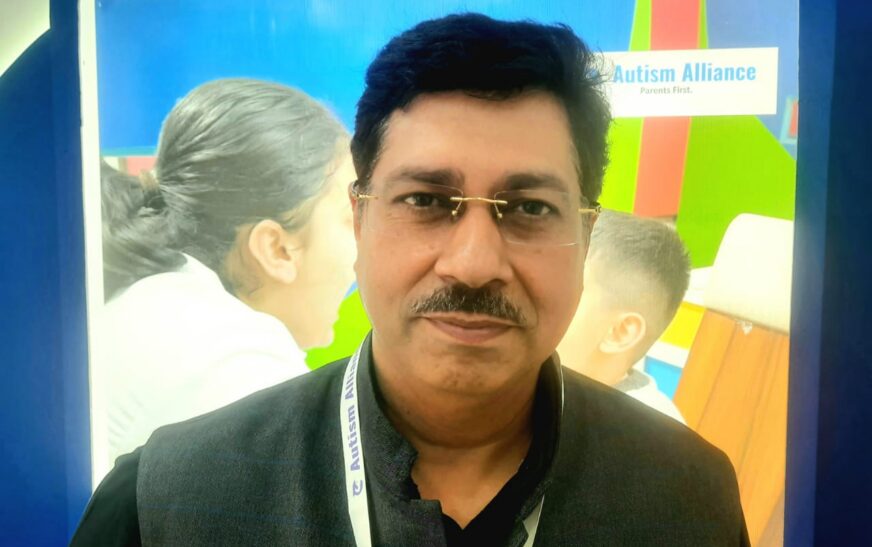
Autism Alliance is a leading child development and early intervention centre based in Ludhiana, dedicated to empowering children with autism and other neurodevelopmental conditions through comprehensive, multidisciplinary care. The centre delivers a wide spectrum of evidence-based services, including occupational therapy, speech and language therapy, special education, Applied Behaviour Analysis or ABA-based behavioural intervention, nutritional counselling, developmental assessments, and structured parent training programmes.
Moreover, Autism Alliance places families at the centre of the therapeutic process, recognizing parents as indispensable partners in a child’s developmental progress. Backed by a highly skilled team of psychologists, therapists, and developmental specialists, the organization prioritizes early identification, individualized intervention, and family-centred support to strengthen communication, learning, behaviour, and overall developmental outcomes.
In an exclusive interaction with The Interview World, Dr. Atul Madaan, Managing Director, Autism Alliance outlines the vision and mission driving Autism Alliance while also addressing the pressing financial barriers associated with autism diagnosis and intervention. Furthermore, he sheds light on the organization’s specialized, challenge-specific therapeutic services and explains why autism cannot be completely cured, although timely intervention and sustained support can significantly enhance an individual’s quality of life. Presented below are the most significant insights from this thought-provoking conversation.
Q: What are the core objectives and mission of Autism Alliance, and how do its programs and services support children with autism and their families?
A: Let me begin by explaining what autism is. Autism is a neurodevelopmental condition that begins at birth and continues throughout an individual’s life. However, if healthcare professionals identify the condition early, particularly between the ages of 1.5 and 3.5 years, and initiate timely intervention, children can achieve significant developmental improvement.
Unfortunately, awareness about autism remains extremely limited across society. As a result, many parents struggle to recognize the early signs and often respond with denial. Consequently, they delay intervention during the most critical developmental window. This delay reduces the effectiveness of therapy and limits the child’s long-term progress. Therefore, our foremost objective is to strengthen awareness at every level. We want parents, caregivers, educators, and society at large to understand autism better so they can identify developmental concerns early and seek timely support.
At the same time, another major challenge lies in the availability of qualified professionals. Effective autism intervention requires a multidisciplinary team that includes speech therapists, occupational therapists, special educators, and behavioural therapists. However, such integrated expertise is rarely available under one roof, even in metropolitan cities. Due to this gap, many children undergo fragmented or unstructured therapies, while families often face confusion and unnecessary experimentation. Ultimately, this wastes valuable time during a child’s most crucial developmental years.
To address this issue, we place strong emphasis on professional competence. We ensure that every specialist involved in autism intervention possesses the right education, clinical training, and practical experience required to deliver structured, evidence-based care.
Moreover, autism therapy is both intensive and long-term, which makes it financially demanding for many families. While economically stable households may manage the cost of continuous intervention, financially vulnerable families often struggle to access consistent treatment. Consequently, thousands of children remain deprived of the therapies and support systems they urgently need.
Q: What sustainable solutions can help address the financial challenges associated with autism diagnosis, therapy, and long-term care for children and their families?
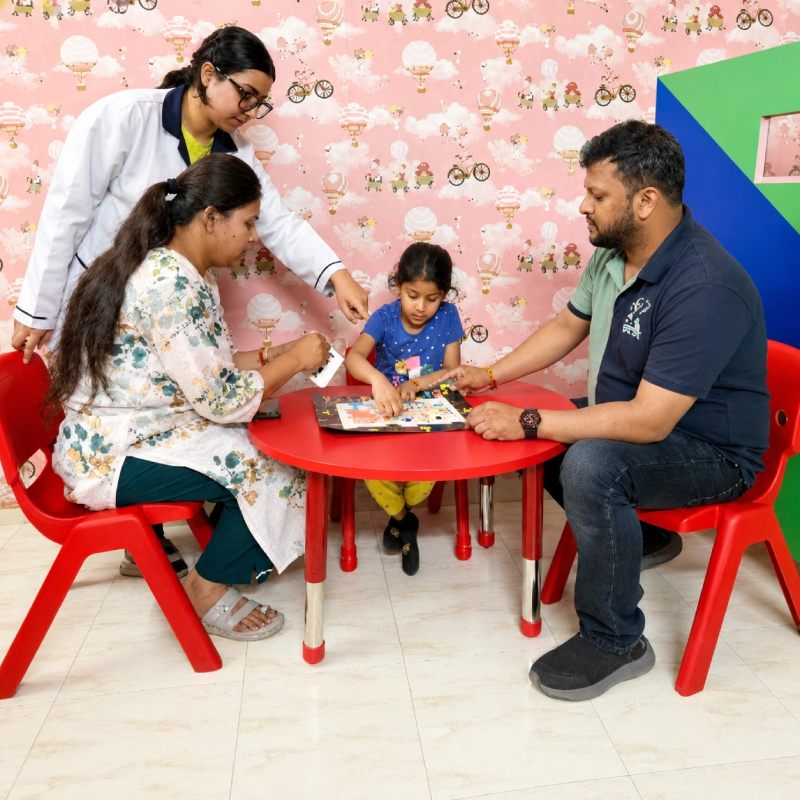
A: To address the financial challenges, we have developed a practical and sustainable solution centred on parent empowerment. First, we enrol parents in a structured three-month training programme. From the very first day, parents attend therapy sessions alongside their children. Since these are one-on-one sessions, our therapists actively involve parents in every stage of the intervention process. As a result, parents learn not only to understand their child’s specific needs but also to implement therapeutic strategies effectively at home.
Of course, professional disciplines such as speech therapy, occupational therapy, behavioural therapy, and special education require years of academic study and clinical training. Therefore, many people wonder how parents can acquire meaningful therapeutic skills within such a short period. The answer lies in focused, goal-oriented guidance. We help parents identify realistic developmental goals for their child and train them to work systematically toward those goals under the supervision of our expert team.
Moreover, our approach combines both theoretical learning and practical application. Parents receive continuous guidance, structured home plans, and ongoing online support whenever required. They can also revisit the centre periodically to review progress and refine intervention strategies based on the child’s evolving needs.
This model delivers multiple advantages. Most importantly, it enables parents to become active participants in their child’s developmental journey rather than remaining passive observers. Since children naturally spend the majority of their time at home and share a deep emotional bond with their parents, home-based reinforcement significantly improves the effectiveness of therapy. In contrast, a professional session lasting one or two hours a day alone cannot create sustained developmental change if therapeutic engagement does not continue beyond the clinic environment.
Consequently, our parent training programme bridges this critical gap. It offers families greater flexibility, reduces long-term financial pressure, and ensures continuity of care in the child’s natural environment. At the same time, it strengthens parents’ confidence and equips them with the skills needed to support their children independently.
In essence, Autism Alliance focuses on three core priorities: creating widespread awareness about autism, integrating multidisciplinary therapies under qualified professionals, and empowering parents through structured training. Together, these interventions not only address financial and accessibility challenges but also maximize the benefits of early intervention, significantly improving developmental outcomes for children with autism.
Q: How does Autism Alliance address the diverse challenges associated with autism through its specialized services and support programs?
A: Let me clearly outline the major challenges faced by parents of children with autism. The first and perhaps the most significant challenge is the lack of awareness. According to a study conducted in the United States, autism affects nearly one in every 31 children. Despite this growing prevalence, awareness about autism remains alarmingly low, even among well-educated and professionally qualified individuals. Consequently, many parents fail to recognize the early signs and symptoms of autism at the right time. To address this gap, we actively conduct awareness campaigns and community outreach initiatives so that society can better understand autism and promote early identification.
The second major challenge is acceptance. For any parent, learning that their child has special developmental needs is emotionally overwhelming. Naturally, many parents initially respond with denial, which delays diagnosis and intervention. Therefore, as professionals, we must counsel families with sensitivity and clarity. We consistently emphasize that early intervention can significantly improve a child’s communication, behaviour, learning abilities, and overall quality of life.
The third challenge involves the shortage of adequately trained professionals. In India, only a limited number of medical and educational institutions provide specialized training in autism intervention and developmental therapies. As a result, the availability of qualified speech therapists, occupational therapists, behavioural therapists, and special educators remains inadequate. Consequently, many children do not receive structured or scientifically designed therapy protocols tailored to their individual needs. To overcome this issue, we maintain a strict standard that only properly trained and qualified professionals should deliver autism intervention services.
Furthermore, even when qualified professionals are available, they rarely operate within a single integrated framework. In most cases, therapies remain fragmented and isolated, which limits their overall effectiveness. However, autism requires a coordinated, multidisciplinary approach where specialists collaborate closely to address a child’s specific developmental challenges. Recognizing this need, we integrated all essential therapeutic services under one roof. This model enables us to provide individualized, comprehensive, and evidence-based care tailored to the unique requirements of every child with autism.
Q: Can autism be completely cured, or can early intervention and therapy significantly improve developmental outcomes and quality of life?
A: The term ‘cure’ is not entirely appropriate in the context of autism because autism is a lifelong neurodevelopmental condition. However, that does not mean meaningful improvement is impossible. On the contrary, if professionals identify autism early, particularly within the first five years of life, and combine timely therapeutic intervention with effective management and active parental involvement, the child’s developmental outcomes can improve significantly.
At the same time, autism exists on a spectrum, which means every child presents differently and responds to intervention in a unique manner. Therefore, no single outcome applies uniformly to all children. Some may show moderate improvement, while others may achieve substantial developmental progress and eventually function with minimal support. In certain cases, children improve to such an extent that they no longer display clinically significant features associated with the autism spectrum.
Nevertheless, improvement in autism should always be viewed as a continuum rather than an absolute outcome. Depending on the severity of the condition, the timing of intervention, the consistency of therapy, and the level of family participation, a child may experience 10–20 percent improvement, 40–50 percent progress, or even 80–90 percent functional enhancement. In rare cases, some children may reach near age-appropriate functioning across multiple developmental domains.
Therefore, instead of focusing on the word ‘cure,’ the more meaningful objective should be to maximize a child’s potential and significantly improve quality of life. With early intervention, structured therapy, and sustained parental support, children with autism can develop stronger communication skills, better social interaction, greater independence, and improved overall functioning.







1 Comment
I like how you presented both sides of the argument fairly.
Comments are closed.