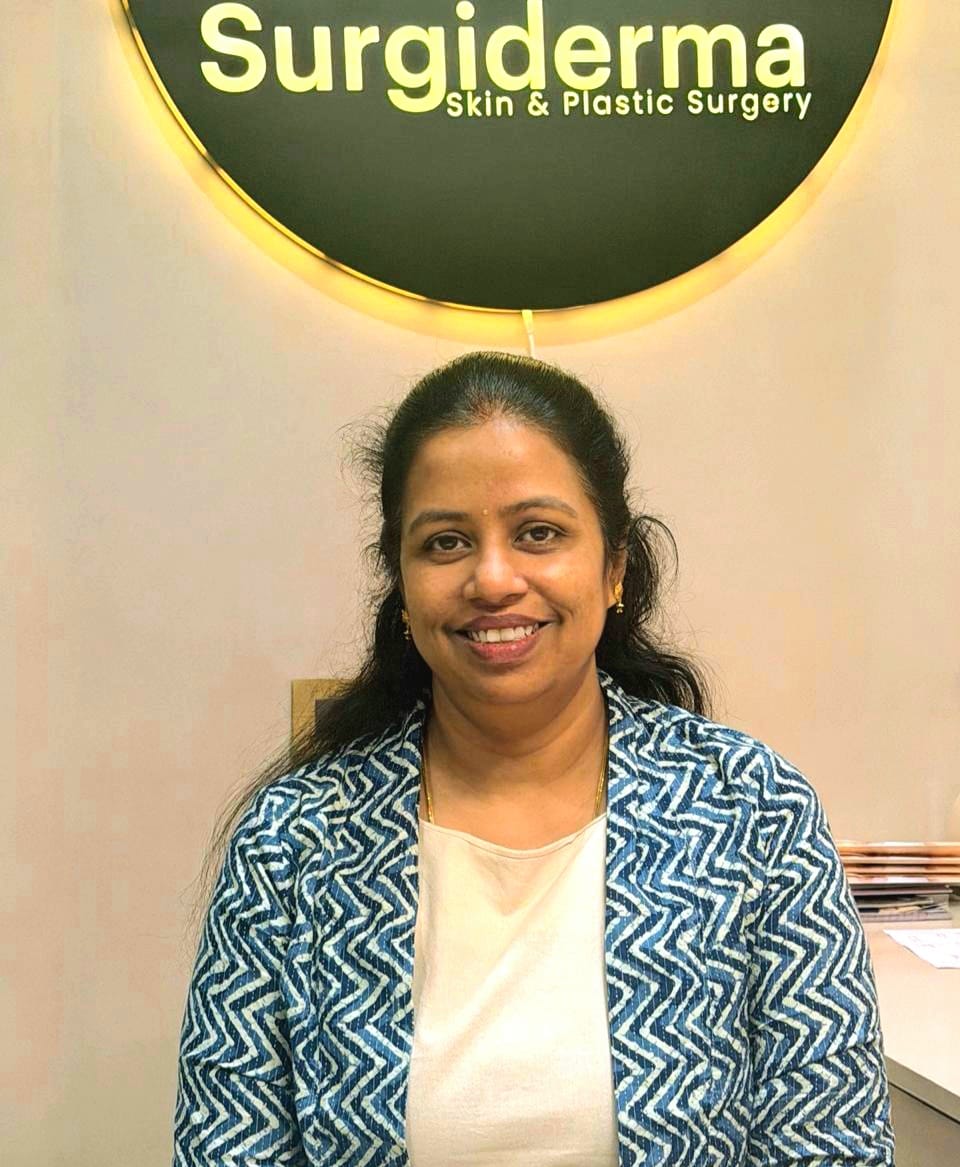


Dr. Malvika Sabharwal stands at the forefront of minimally invasive gynaecology and obstetrics in India. Widely acclaimed for her pioneering work in laparoscopic hysterectomy and advanced gynaecological surgeries, she has reshaped the standards of surgical excellence. In 2008, the Government of India honoured her with the Padma Shri. She also holds a world record for successfully removing a 6.5 kg fibroid—without compromising the patient’s reproductive ability—a landmark feat in medical history.
A proud alumna of Lady Hardinge Medical College and a postgraduate from Government Medical College, Patiala, Dr. Sabharwal refined her laparoscopic expertise under global legends like Dr. Adam Magos (London) and Dr. Wamsteker (Netherlands). Her pursuit of excellence spans more than three decades and over 50,000 successful surgeries—each marked by clinical precision and compassionate care.
Importantly, she has democratized access to laparoscopic procedures by advocating cost-effective techniques for economically weaker women. Her leadership is equally transformative. As President of the Delhi Gynaecological Endoscopists’ Society (2018) and Founder Chairperson of the Indian Association of Gynaecological Endoscopists, she has spearheaded surgical training initiatives at Jeewan Mala Hospital—an institution accredited by FOGSI, IAGE, and NARCHI. Her unwavering commitment to mentorship, skill-building, and inclusive healthcare continues to inspire the next generation of surgeons and reform women’s health across the country.
In an exclusive conversation with The Interview World, during the Illness to Wellness Awareness Conference on the Prevention, Diagnosis, and Treatment of Hepatitis, hosted by the Illness to Wellness Foundation, Dr. Sabharwal brings critical attention to the often-overlooked burden of hepatitis among women. She underscores the urgency of gender-sensitive prevention strategies, highlights the alarming rise of paediatric hepatitis, and issues a powerful public message on awareness and action.
Here are the key takeaways from this impactful discussion with one of India’s most respected voices in women’s healthcare.
Q: How significant is the burden of hepatitis among women?
A: Let me share one critical point that every healthcare professional must take seriously. As a gynaecologist and obstetrician, I treat women who are pregnant and others undergoing surgery. I specialize in laparoscopic and hysteroscopic procedures—techniques I helped introduce to India, and for which I was honoured with the Padma Shri in 2008.
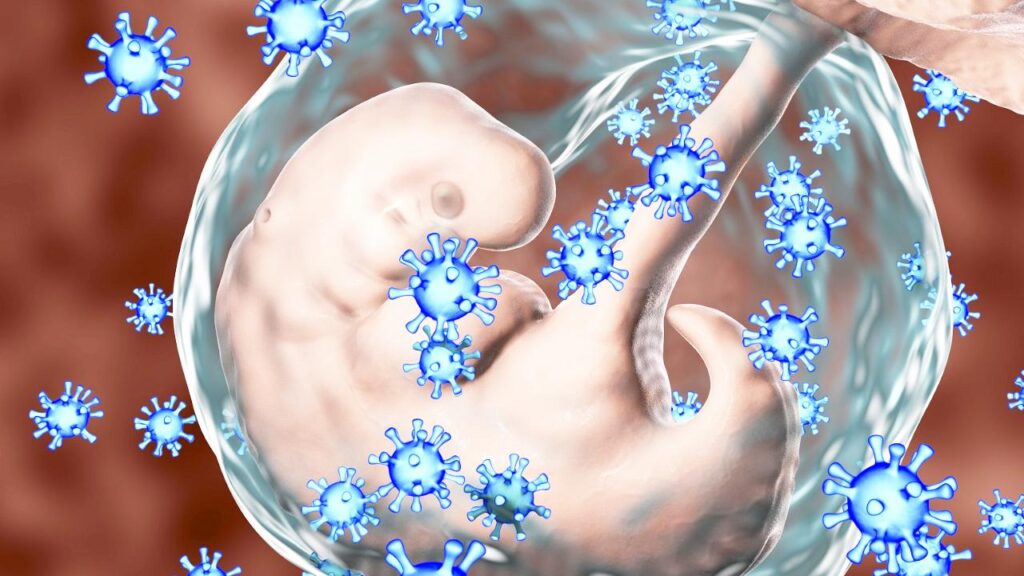
Now here’s the non-negotiable: Every patient—whether coming in for delivery or surgery—must be screened for hepatitis. No exceptions. Before they enter the operation theatre, it is absolutely essential to confirm a negative hepatitis status. This isn’t a formality—it’s a life-saving measure. Obstetric cases carry high risks of both morbidity and mortality. Without proper screening, we risk transmitting hepatitis vertically—from mother to newborn—which can cause devastating consequences right from birth.
Vaccinating during pregnancy plays a pivotal role in prevention. It protects not just the mother, but also the child, and by extension, the community. Preventing the spread of infection is our moral and medical duty.
As doctors, we must lead by example. We must ensure that we are vaccinated, that our families and friends are vaccinated, and that our patients understand the importance of doing the same. Yet, it’s disheartening that even in close-knit settings—family gatherings, dinner parties—we rarely speak about such crucial issues.
The awareness exists, but the sense of responsibility does not. Despite knowing the risks, many still neglect their own health. Socioeconomic factors are often blamed, but the truth is, individual responsibility must take centre stage. Even healthcare professionals are guilty of ignoring their vaccination status.
And that, truly, is tragic.
Q: What comprehensive strategies should be implemented to prevent hepatitis in women?
A: Programs like Illness to Wellness Awareness Conference on the Prevention, Diagnosis, and Treatment of Hepatitis brought together a diverse and accomplished group—from government officials to frontline healthcare professionals and hospital administrators. Each speaker highlighted the same urgent message: prevention must be prioritized.
At Jeewan Mala Hospital—a 104-year-old institution—we see it as our duty not just to treat patients, but to actively prevent disease. Every expert today echoed this sentiment. Prevention is not optional; it’s foundational to sustainable healthcare.
From the government’s side, ensuring access to clean water and maintaining a hygienic environment are critical first steps. These are the basics—and yet, they remain elusive in many parts of the country. We’ve achieved the extraordinary: landing on the moon, scaling new scientific frontiers. Yet, the real challenge lies in delivering the fundamentals to our villages and underserved communities. Basic healthcare access and clean-living conditions must no longer be a privilege.
Reaching every corner of the country is essential. We need targeted education at the grassroots. Frontline workers must be trained with clear, practical tools—visual guides, simple language, and culturally relevant messaging—to engage rural populations effectively.
If we want real progress, we must go beyond the cities. Only by empowering our villages can we build a truly healthy nation.
Q: How serious is paediatric hepatitis as a health concern today?
A: Paediatric hepatitis poses a grave public health challenge. As I mentioned earlier, when the infection is transmitted from mother to child during pregnancy, the resulting mortality and morbidity rates in infants can be alarmingly high.
Preventing this requires urgent and sustained intervention. The government has a critical role to play—and encouragingly, it is already stepping up. Moreover, all key stakeholders are working in close coordination to address the issue through policy, awareness, and prevention programs.
This collective effort must continue with greater urgency and deeper outreach to protect the youngest and most vulnerable.
Q: What key message would you like to leave with the public regarding this issue?
A: Each of us—whether a patient, a doctor, or a citizen—has the time and the power to rise to the occasion. We cannot afford complacency. The government, too, must step up with even greater urgency and commitment.
Together, we can accomplish far more than we currently do. The challenges are immense, but so is our collective potential. There is still so much to be done—and the time to act is now.