

The media has a profound responsibility to shape public understanding of mental health and suicide prevention. Through accurate reporting, responsible storytelling and greater visibility for help-seeking resources, journalists can challenge stigma, counter misinformation and encourage people in distress to seek support. However, sensationalism, excessive details and irresponsible coverage can also aggravate vulnerabilities and put lives at risk.
The larger message is unequivocal: responsible communication is not merely a journalistic obligation; it is a public health responsibility. Every headline, report, social media post and public conversation has the potential to influence how people understand mental health and respond to suicide. By replacing sensationalism with sensitivity, misinformation with evidence and hopelessness with stories of recovery, the media can become a consequential partner in building a more informed, compassionate and suicide-preventive society.
In this context, Centre for Mental Health Law & Policy (CMHLP), an interdisciplinary research and action centre committed to advancing mental health, human rights and social justice in India and globally, works to strengthen mental health systems through evidence-based research, legal and policy reforms, community-based interventions, suicide prevention and capacity building. The Centre collaborates with governments, civil society organisations, communities and international partners, with a particular focus on vulnerable and marginalised populations in low- and middle-income countries. Through research, advocacy, training, peer support and innovative interventions, CMHLP strives to make mental healthcare more accessible, inclusive, equitable and rights-based.
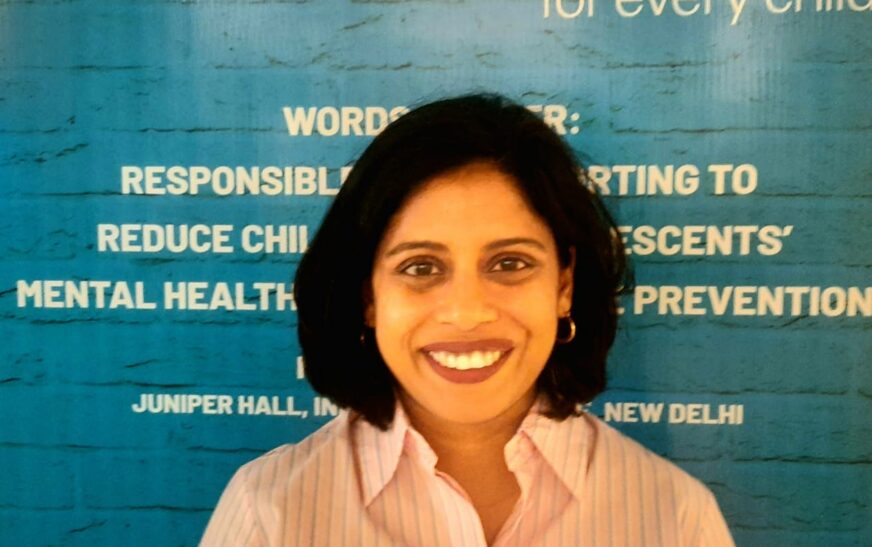
In an exclusive conversation with The Interview World on the sidelines of Words Matter: Responsible Media Reporting to Reduce Children and Adolescents’ Mental Health Stigma & Suicide Prevention, an event organised by UNICEF, Tanya Nicole Fernandes, Program Lead and Research Fellow at CMHLP, emphasises the transformative role of media in advancing mental health awareness and preventing suicide. She explains how responsible journalism can influence public attitudes, equip children, adolescents and parents with reliable information, and encourage individuals experiencing emotional distress to seek professional support. She also outlines CMHLP’s interventions across the mental health ecosystem, highlights essential dos and don’ts for suicide reporting, explains the Papageno effect, and examines how social media platforms can amplify suicide prevention efforts while mitigating harmful content.
Here are the edited excerpts from her insightful conversation.
Q: How important is the role of media in combating suicide and spreading mental health awareness among children and parents across the country?
A: The media has an exceptionally important role in advancing mental health awareness and suicide prevention. Traditionally, we have viewed mental health awareness as the responsibility of mental health professionals. However, our experience demonstrates that the media can significantly expand this responsibility. Its extensive reach and ability to communicate complex information in accessible formats make it a powerful vehicle for reaching diverse audiences, particularly children, adolescents, young people and their parents.
When it comes to suicide, the media can either contribute to harm or become an important instrument of prevention. Sensationalised reporting, glorification of suicide and excessive coverage of the circumstances surrounding a death can increase vulnerability and encourage imitation. Conversely, responsible journalism can help prevent suicides by promoting help-seeking behaviour, disseminating accurate information and highlighting stories of hope and recovery.
Journalists can make a meaningful difference through relatively simple interventions. For instance, they can include verified mental health helpline numbers in their reports, direct readers towards appropriate support services and publish stories that demonstrate how individuals overcome psychological distress and rebuild their lives.
Moreover, the growing influence of social media makes the media’s responsibility even more significant. We are witnessing an alarming spread of misinformation and disinformation about mental health and suicide. Therefore, traditional media must continue to uphold evidence-based journalism, verify information and provide credible perspectives. Ultimately, responsible media coverage can shape public attitudes, challenge stigma and create an environment in which people feel encouraged to seek help rather than suffer in silence.
Q: What role does your organisation play in this entire ecosystem?
A: At CMHLP, we approach suicide prevention and responsible media engagement through multiple, complementary interventions. One of our primary priorities is to strengthen the capacity of journalists and other professionals involved in reporting or communicating about mental health and suicide.
We offer a free, self-paced online course through our platform. It equips participants with the knowledge and practical skills required to report on suicide responsibly. In addition, we conduct specialised training programmes for newsrooms, journalists and media professionals, often in collaboration with state governments and other institutional partners.
For instance, we recently collaborated with the Press Club of Sikkim to train journalists in responsible suicide reporting. These programmes cover established reporting guidelines, ethical considerations and practical measures that newsrooms can incorporate into their editorial processes. We also recognise that journalists’ own mental health deserves attention. Reporting on suicide and other distressing subjects can take an emotional toll; therefore, we encourage news organisations to consider the psychological well-being of their journalists.
Another important area of our work involves systematically monitoring media coverage of suicide. We need reliable data to understand where reporting practices fall short and identify the areas requiring intervention.
Our observations suggest that several challenges persist in non-urban newsrooms and regional-language media. Therefore, we want to extend our capacity-building efforts beyond major metropolitan news organisations. We aim to work closely with regional-language journalists and media houses to contextualise established reporting guidelines and make them relevant to their linguistic, cultural and professional environments.
Our larger objective is to build a decentralised, sustainable ecosystem in which responsible suicide reporting becomes an integral part of journalistic practice rather than an occasional training intervention.
Q: You have highlighted the dos and don’ts of responsible media reporting. Could you elaborate on some of the most important guidelines?
A: The World Health Organization (WHO) provides comprehensive guidance for reporting on suicide, outlining approximately 20 recommendations. Among these, several practices deserve particular attention.
First, journalists should consistently include help-seeking information in their reports. This means providing verified helpline numbers, details of accessible mental health services and information about where individuals can obtain professional assistance. Such information can help people experiencing distress recognise that support is available.
Second, journalists should prioritise stories of hope, resilience and recovery. Their reporting should communicate that suicide is preventable and that people experiencing severe psychological distress can recover with appropriate support and intervention. Stories that highlight recovery can encourage vulnerable individuals to explore alternatives and seek help.
Third, journalists must exercise particular caution when reporting celebrity suicides. Such incidents often attract enormous public attention and can have a disproportionate influence on audiences. Therefore, coverage must strictly adhere to responsible reporting principles.
Equally important are the practices journalists must avoid.
They should never describe the method of suicide in unnecessary detail. Such descriptions can increase the risk of imitation and copycat behaviour. Similarly, they should avoid identifying the specific location where a suicide occurred, particularly when reporting on places that have emerged as suicide hotspots, such as certain bridges and buildings.
Journalists must also avoid sensational headlines, dramatic language and unnecessarily prominent placement of suicide-related stories. These editorial choices can inadvertently sensationalise the incident and amplify its harmful impact.
Ultimately, responsible reporting requires journalists to move beyond the pursuit of readership and engagement. They must recognise the potential consequences of their editorial decisions and place public interest, human dignity and suicide prevention at the centre of their coverage.
Q: Could you explain the Papageno effect and how it helps the media report responsibly on suicide?
A: The Papageno effect is a research-based concept that describes the protective influence media can have on suicide prevention. In simple terms, it explains how responsible storytelling can encourage people experiencing psychological distress to seek help and consider alternatives to suicide.
The central idea is to demonstrate that people facing emotional crises have options beyond taking their lives. Media reports can communicate this message by highlighting stories of hope, recovery, resilience and successful help-seeking. They can also promote mental health services and helplines, making support more visible and accessible.
For example, rather than focusing exclusively on someone’s death, journalists can report stories about individuals who survived a suicidal crisis, received timely intervention and subsequently rebuilt their lives. Such narratives can help audiences understand that a crisis does not have to determine the course of someone’s future.
We have also witnessed the influence of this approach in celebrity accounts of recovery and in popular music. One notable example from the United States is a song titled after the national suicide prevention helpline number. Its release was associated with a reduction in suicides and an increase in calls to the helpline. This demonstrates how thoughtfully designed communication can encourage help-seeking and potentially save lives.
Therefore, the Papageno effect reinforces an essential principle: media coverage should not merely report the tragedy of suicide; it should also illuminate pathways to recovery, support and hope.
Q: How sensitively has Indian media addressed suicide, and what role can social media play in amplifying suicide prevention messages?
A: India’s media landscape is highly diverse, with different organisations operating under distinct editorial priorities, commercial interests and institutional constraints. Consequently, responsible suicide reporting varies considerably across platforms.
Some media organisations follow established guidelines, exercise editorial restraint and provide appropriate help-seeking information. However, others continue to treat suicide as a source of sensational content and audience engagement. Since suicide-related stories often attract considerable attention, some outlets use provocative headlines and excessive details to generate clicks and readership.
One reason for this inconsistency is the scale and diversity of India’s media ecosystem. A centralised approach to training and capacity building cannot adequately address the needs of every newsroom, particularly those operating in regional languages and smaller cities.
We therefore need to decentralise these efforts. Media organisations, press clubs, state governments and professional associations must collaborate to institutionalise regular training programmes. Importantly, these initiatives must also reach emerging journalists and new entrants to the profession. Responsible reporting should become a fundamental component of journalistic education and newsroom practice.
Social media presents an additional challenge because the boundaries between journalists, content creators and ordinary users have become increasingly blurred. Today, virtually anyone with a digital platform can publish information, express opinions and influence public conversations. Consequently, responsible communication about suicide cannot remain the exclusive responsibility of professional journalists.
We need to address this challenge through two complementary approaches.
First, we must equip young people with the knowledge and skills to communicate responsibly on digital platforms. They should understand how to discuss suicide sensitively, avoid sensationalism and refrain from sharing content that could potentially harm vulnerable individuals. Digital literacy must therefore incorporate mental health awareness and responsible online behaviour.
Second, we must engage directly with social media companies, including Meta and YouTube, to strengthen their accountability and content moderation mechanisms. These platforms must consistently enforce their community guidelines, identify harmful material and ensure that content violating responsible suicide communication standards is appropriately addressed.
Ultimately, social media can become a powerful instrument for suicide prevention if we use it responsibly. It can amplify credible information, connect individuals with support services, challenge stigma and promote recovery-oriented narratives. However, achieving this requires sustained collaboration among media organisations, technology companies, governments, civil society and mental health professionals.