

India’s climate strategy stands firmly aligned with its global commitments. The nation is channelling substantial investments into renewable energy, advancing decarbonisation technologies, and reinforcing its efforts through robust policy frameworks. The scale and diversity of the country present undeniable performance challenges. Yet, the intent is resolute, and the momentum toward achieving net zero by 2070 remains unwavering.
India’s advantage lies in its comparatively low per capita emissions—a factor that strengthens its negotiating position and opens doors to climate finance. At the same time, domestic businesses increasingly align with the nation’s climate goals. However, mitigating both short-lived and long-lived climate pollutants demands integrated policies that address air pollution and climate change in tandem.
Equally crucial is targeted awareness, with vulnerable communities at the forefront of these efforts. The stakes are high. Pollution’s growing toll on agriculture—diminishing yields and eroding GDP—underscores the urgent need for comprehensive and inclusive environmental action.
Against this backdrop, The Interview World engaged in an exclusive conversation with Dr. Disha Sharma, Assistant Professor at the Indian Institute of Management Mumbai. The discussion took place during the International Mini Conference Series 2025, themed “Integrating Air Quality and Policy Dialogues on SLCPs in the IGP Region”, organised by the University of Gothenburg, Sweden. Dr. Sharma shed light on India’s progress toward sustainable development goals, dissected the challenges of climate change, and articulated the country’s global positioning in its pursuit of the net zero target. She explained the critical role of SLCPs and LLCPs in the climate discourse, highlighted the power of awareness in combating pollution, and emphasised the severe agricultural consequences of environmental degradation.
Here are the most compelling insights from that conversation.
Q: In the global race towards the Sustainable Development Goals, where does India stand, and what decisive actions is it taking to confront the pressing challenges of climate change?
A: The Indian government’s vision aligns seamlessly with its commitments on the global stage. Its intent is clear, and the actions are visible. Massive investments in renewable energy, decisive strides in decarbonisation, and well-defined technological trajectories are shaping the transition. These efforts are backed by substantial policy measures and resource support, creating a strong foundation for progress.
Yet, that is only part of the story. The numbers reveal a more complex reality. Achieving these goals is a daunting challenge for a nation as vast, diverse, and populous as India. Measured purely on performance, the country may not have reached its targets just yet.
Even so, the government’s focus and determination remain unmistakable. The sustained support—both strategic and financial—combined with a resolute vision, places India firmly on the path toward its net zero target by 2070. The journey is demanding, but the direction is unmistakably right.
Q: What is India’s current position in meeting its Net Zero target, and how does it compare on the global stage?
A: India holds considerable negotiating leverage in global climate discussions. This advantage stems from its low per capita emissions—remarkable for the world’s most populous nation—which keep it outside the ranks of top emitters. Consequently, India enters the table with significant diplomatic space.
Moreover, climate finance prospects are increasingly promising. The Green Climate Fund, the Environment Fund, and other financial commitments pledged under COP frameworks offer substantial opportunities. India is well-positioned to attract a meaningful share of this funding, accelerating its path toward the net zero target.
However, the momentum is not reliant solely on foreign capital. Within the country, businesses across sectors are aligning with the national net zero vision, actively supporting government initiatives. This convergence of international finance and domestic commitment strengthens India’s trajectory. With sustained effort and strategic execution, the nation can meet its 2070 net zero pledge—on time and with credibility.
Q: In the context of climate change, how do you assess the respective roles and impacts of Short-Lived Climate Pollutants (SLCPs) and Long-Lived Climate Pollutants (LLCPs)?
A: Short-Lived Climate Pollutants (SLCPs) and Long-Lived Climate Pollutants (LLCPs) are powerful climate forcers. Their danger lies not only in their potency but also in the fact that even a short presence in the atmosphere can trigger significant and lasting impacts. This makes them profoundly harmful.
Take methane, for example. Its origins are not solely anthropogenic. Large volumes also emerge from natural and agricultural sources—particularly farmlands and paddy fields. This diversity of sources makes mitigation a more complex task.
Addressing these pollutants requires strategic and nuanced action. Policies must be designed with precision, ensuring they capture the co-benefits of tackling both air pollution and climate change simultaneously. After all, SLCPs and LLCPs sit squarely at the intersection of these two critical environmental challenges.
Q: Looking ahead, how should awareness initiatives evolve to empower people in combating pollution and safeguarding human health?
A: The situation is deeply precarious. All too often, those least aware of pollution and its grave health risks are the ones who suffer its harshest impacts. From a climate justice perspective, this pattern is stark—the most affected are frequently the most socially and economically vulnerable.
These communities lack both the information and the resources to understand the scale of the pollution crisis. Worse, they are equally unequipped to shield themselves from its effects. This double disadvantage traps them in a cycle of exposure and harm.
Therefore, government intervention must place greater emphasis on protecting these vulnerable groups. Targeted policies, emergency response mechanisms, and awareness initiatives should prioritise those at the very margins, ensuring they receive the tools, support, and protection needed to withstand environmental threats.
Q: What impact will pollution have on agriculture in the coming years?
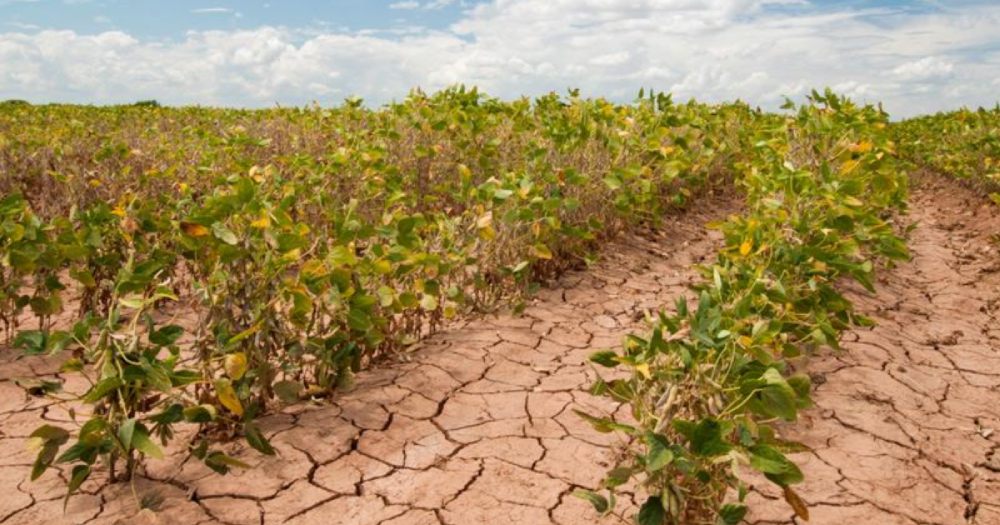
A: The impact on agriculture will be significant. Evidence shows that elevated levels of PM2.5 and ozone, once they cross critical thresholds, can sharply reduce crop yields. This is no small concern—agriculture remains a cornerstone of the Indian economy.
When crop yields fall, the repercussions multiply. Reduced output strikes directly at farmers’ livelihoods, disrupts food security, and sends ripples through the broader economy. The effect ultimately reflects in the nation’s GDP.
India cannot afford to ignore this link. Pollution control is not merely an environmental imperative—it is an economic necessity. Protecting agriculture, the largest and most vital sector in a predominantly agrarian economy, demands urgent and sustained action against air pollution.