

At The Interview World, we stand united with the global community to mark World Hepatitis Day 2025. This year’s theme—“Hepatitis: Let’s Break It Down”—resonates far beyond a slogan. It is a powerful rallying cry to dismantle the systemic barriers that obstruct progress toward eliminating hepatitis and preventing liver cancer.
While medical science has advanced, access remains deeply unequal. Millions continue to face obstacles to prevention, early diagnosis, and life-saving treatment—primarily due to high costs, lack of awareness, and entrenched social stigma. The brunt of this inequity is borne by the most vulnerable.
The path forward is clear. We must integrate hepatitis services into primary healthcare, invest in public awareness, and eliminate financial and social barriers. Achieving this demands coordinated, urgent action—not passive acknowledgment.
At The Interview World, we believe that informed minds drive real change. It’s time to break the silence, question systemic inertia, and demand equitable healthcare for all. Eliminating hepatitis is not a far-off ambition—it’s within reach. But only if we act decisively. And we must act now.
In that spirit, we bring you insights from a crucial conversation held during the Illness to Wellness Awareness Conference on “Prevention, Diagnosis, and Treatment for Hepatitis,” organized by the Illness to Wellness Foundation, Dr. Harish K. Pemde, Medical Superintendent at Kalawati Saran Children’s Hospital, Lady Hardinge Medical College, New Delhi, shared his expert perspective on pediatric hepatitis.
He addressed the core challenges in treating hepatitis among children, explained how hepatitis-related liver cancer can be effectively prevented, and warned of the risks associated with body piercings and tattoos. His observations were not only informative—they were a compelling call to sharpen our focus and strengthen our response.
Here are the key takeaways from our conversation with Dr. Pemde.
Q: Could you please elaborate on what paediatric hepatitis is, including its causes and symptoms?
A: Children are not immune to hepatitis. In fact, both Hepatitis A and B can—and do—affect them. In many cases, the infection leads to serious illness. At times, it can even result in liver failure.
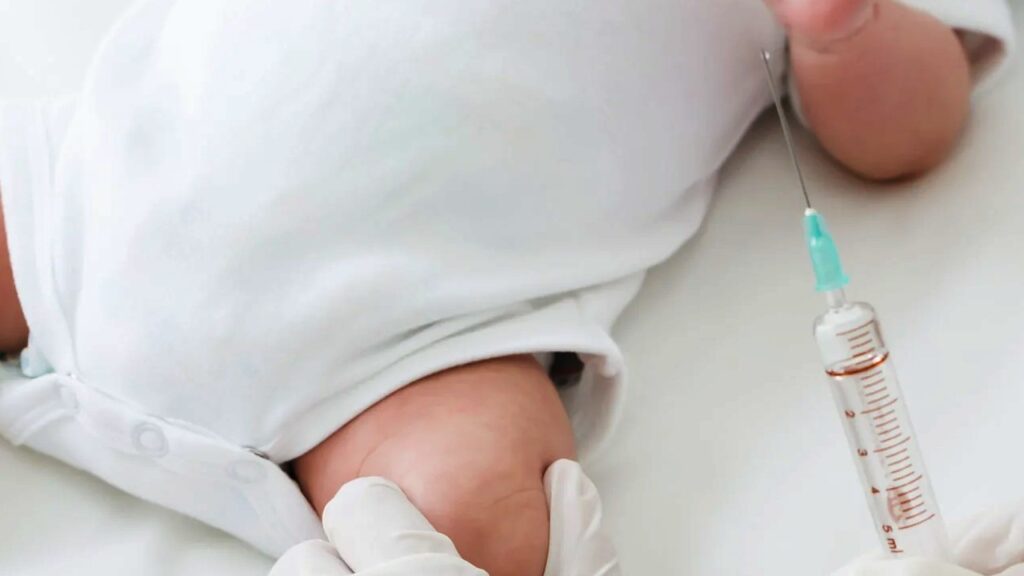
Hepatitis B can begin as early as birth, particularly in newborns who do not receive the hepatitis B vaccine or immunoglobulin at delivery. What makes this infection especially dangerous is its silence. Hepatitis B and C often show no acute symptoms. As a result, a child may carry the virus without ever being diagnosed.
This hidden nature poses a long-term risk. Undetected infections can silently damage the liver for decades, with consequences emerging 10, 20, or even 40 years later.
In India, the prevalence of Hepatitis B in children remains relatively low—currently estimated at 0.4%. The national goal is to reduce this figure to 0.1%, a target that reflects a strong commitment to eradication. Remarkably, two decades of sustained vaccination efforts have already made a significant impact.
While the adult population still sees a prevalence of 2–3%, infection rates among children have dropped substantially. This achievement underscores the success of India’s immunization campaigns.
Simply put, we’ve made substantial progress in curbing Hepatitis B and C among children—but the mission is far from over. Continued vigilance, robust vaccination programs, and early detection remain essential to eliminate the disease from future generations.
Q: What are the key challenges currently faced in diagnosing, treating, and managing paediatric hepatitis in the country?
A: One of the foremost challenges in tackling paediatric hepatitis lies in inadequate vaccination coverage at birth. While we’ve made commendable progress—with overall Hepatitis B vaccination rates reaching approximately 93%—the critical birth dose still lags behind. This gap must close. Achieving near-universal coverage from birth is non-negotiable if we are to eliminate the disease.
However, the challenges extend beyond immunization. Timely diagnosis and access to appropriate treatment remain major hurdles. Not every child with Hepatitis B requires treatment, but the problem is that not everyone who does, receives it. Despite the presence of a government program, access remains uneven. Still, its expansion offers a glimmer of hope that all children in need will eventually receive proper care.
Yet, even when treatment is available, it comes with scientific limitations. Current therapies can control the disease, but they do not guarantee a cure. The virus often persists. In many cases, the risk of progression to liver cancer remains, despite treatment.
These are challenges rooted in science, not in the intent or structure of national policies. Our public health initiatives are aligned with global best practices. What’s missing is a definitive cure—something that medical research continues to pursue.
Until then, the strategy must focus on prevention through universal vaccination, early detection, and managing the disease as effectively as possible. The goal is within reach—but only if science and policy continue to move in step.
Q: Is it possible to prevent liver cancer that is caused by hepatitis? If so, what preventive measures are most effective?
A: Preventing liver cancer begins with stopping it at the source—and that means preventing hepatitis infections, especially from the start of life. Hepatitis B prevention is not only possible—it’s simple and proven. A safe and highly effective vaccine has long been available. Administering it correctly can make a life-saving difference.
Hepatitis C, however, presents a tougher challenge. It is a potent virus with multiple modes of transmission. Among the most concerning is mother-to-child transmission during birth. While we may not prevent every single instance of viral transmission from an infected mother, we can absolutely reduce the impact on the newborn.
How? By acting swiftly.
Administering both the hepatitis B vaccine and immunoglobulin within 24 hours of birth can dramatically reduce the risk. This approach is the cornerstone of India’s National Immunization Program, and it aligns with global best practices.
Yet implementation still lags behind. Globally, only about 50% of newborns receive the hepatitis B birth dose within 24 hours. India performs significantly better—two out of every three infants receive it on time. But even that isn’t enough. The goal must be universal coverage. Every single newborn in India should receive the hepatitis B vaccine within the first 24 hours of life.
So, what’s stopping us?
Despite government efforts and institutional outreach, gaps persist. Even in facilities where over 90% of deliveries occur under medical supervision, some children still miss this critical dose. This is a serious concern.
The solution lies in creating a public movement—a culture where demand drives delivery. Expectant parents must be informed and empowered to ask: “Will my baby receive the hepatitis B vaccine within 24 hours of birth?” Midwives, nurses, and birth attendants must be ready with both the vaccine and immunoglobulin. And yes, supply chain issues still plague some institutions—another challenge we must urgently resolve.
Because the truth is simple: ensuring every newborn receives the hepatitis B vaccine within 24 hours is the single most effective way to prevent liver cancer over a lifetime. Let’s make it non-negotiable. Let’s make it universal.
Q: How do body piercings and tattoos contribute to the risk of contracting hepatitis, and what precautions can be taken to prevent such infections?
A: Tattooing and skin piercing remain high-risk routes for Hepatitis B transmission—especially when safety protocols are ignored. The message to the community must be clear: before undergoing any skin-piercing procedure, individuals should be fully vaccinated with the complete three- or four-dose schedule.
Why is this so critical?
Because Hepatitis B is an exceptionally resilient virus. Research shows it can survive on surfaces—such as a contaminated table—for up to seven days. If a tattoo or piercing instrument is used on an infected individual and reused without proper sterilization, the virus can easily be transmitted to the next person.
This becomes especially dangerous if the next person is unvaccinated, under-vaccinated, or lacks adequate immunity. One careless act can lead to lifelong consequences.
In India, skin piercing is deeply rooted in cultural practices—nearly every girl undergoes ear or nose piercing. Yet, this commonplace tradition poses a silent risk unless paired with immunization.
Universal vaccination is the only reliable defence.
For adults planning to get tattoos or body piercings, a precautionary checklist is essential. First, check your immunization status. If you’re unsure or can’t find your records, get tested to confirm if you have developed protective immunity. If not, get vaccinated before proceeding.
Here’s the protocol:
- Receive three doses of the Hepatitis B vaccine over a period of six months—at 0, 1, and 6 months.
- Postpone the procedure until full immunity develops, which typically takes around 7 months.
A tattoo or piercing can be an expression of identity or tradition. But without proper precautions, it could become the source of a life-threatening infection. Vaccinate first. Act responsibly. Protect yourself and others.