

Budget 2026 marks a defining inflection point in India’s healthcare framework. By prioritizing affordability, mental health, and geriatric care, it signals a clear and deliberate realignment of national health priorities. As rising life expectancy rapidly alters India’s demographic composition, the strain of supporting a growing elderly population, compounded by the steady erosion of traditional family-based care structures, can no longer be deferred or minimized.
Simultaneously, preventive healthcare has shifted from a policy choice to an economic imperative. Population wellness directly enhances productivity, fortifies human capital, and underpins sustainable GDP growth. Consequently, society must urgently acknowledge and act upon its collective responsibility to build inclusive ecosystems that enable dignified, resilient, and technology-enabled aging.
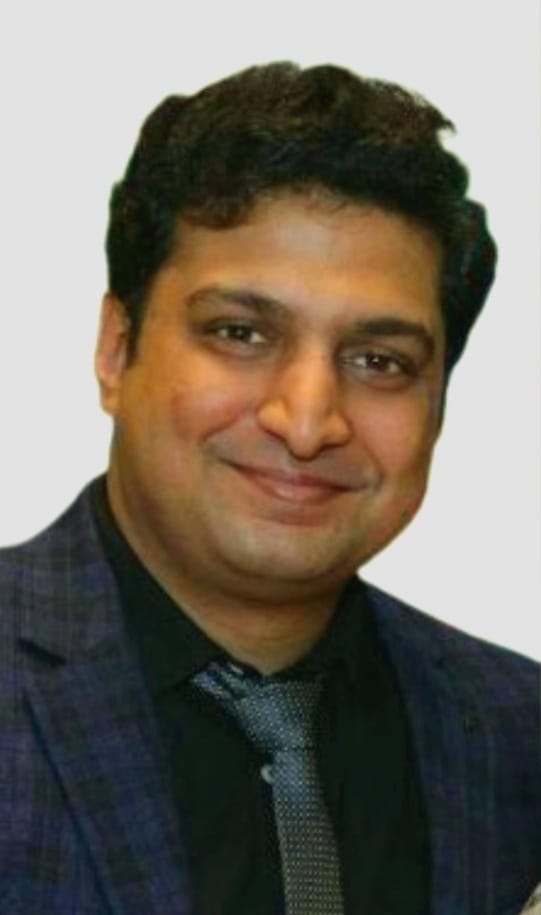
Against this backdrop, The Interview World engaged with Anil Rajput, Chairperson of the Advisory Council at the Illness to Wellness Foundation, during the Illness to Wellness Conference on the Role of Geriatric Care in Promoting Healthy and Graceful Aging. In this wide-ranging discussion, Rajput examined the implications of Budget 2026 for the healthcare sector, identified the systemic challenges confronting geriatric care, articulated the link between population wellness and national economic performance, and outlined society’s role in strengthening the effectiveness of elder care. What follows are the key insights from a timely and thought-provoking conversation.
Q: How do you assess the impact of Budget 2026 on the healthcare sector?
A: I commend the Finance Minister for presenting a truly path-breaking budget, one that marks a decisive inflection point in India’s healthcare journey. The budget addresses multiple critical dimensions with strategic clarity. It paves the way for more affordable access to essential medicines and medical equipment, while also placing long-overdue emphasis on mental health and geriatric care.
Importantly, as India reaps its demographic dividend, it is simultaneously witnessing a steady rise in life expectancy. This demographic shift has an inevitable consequence: India is aging. In the coming years, nearly one in seven Indians will be over the age of 60. Such a transformation demands a fundamentally different healthcare ecosystem, one that is purpose-built to serve an aging population through a robust network of providers, caregivers, and supportive infrastructure.
Q: What are the major challenges currently facing geriatric care?
A: Historically, India occupied a unique social position anchored in the joint family system. This structure fostered deep intergenerational interdependence, where the elderly and infants were cared for within a shared household and supported by collective responsibility.
However, as nuclear families become the norm—and this shift continues to accelerate—the country faces an entirely new challenge in caring for its elderly population. Consequently, informal support systems that once sustained older adults are steadily eroding.
Therefore, it is imperative that we acknowledge this structural shift and respond with timely, deliberate action. We must build dedicated skill sets, professional caregiving capacities, and institutional frameworks capable of supporting India’s rapidly aging population.
Q: How does population wellness contribute to national economic growth and GDP expansion?
A: It is an age-old truth that prevention is better than cure. Accordingly, the objective of healthcare should be to avoid illness in the first place and, wherever possible, reduce dependence on medication. This goal aligns closely with the principles of Ayurveda, which emphasize proactive and holistic well-being.
Ayurveda reminds us that food itself is medicine. Therefore, we must be mindful of what we eat, how much we consume, and how our choices align with our individual body constitution. When we nourish the body correctly, we strengthen gut health—the foundation of overall well-being.
A healthy gut supports a healthy body. In turn, physical well-being sustains mental clarity and emotional balance. Together, these elements reinforce one another and create a virtuous cycle of health.
Consequently, we must integrate regular yoga, consistent physical activity, balanced nutrition, and mental wellness into our daily lives. By doing so, we can preserve our health, enhance resilience, and lead fuller, more productive lives.
Q: What role does society play in improving the effectiveness of geriatric care?
A: Human beings are inherently social. We live within communities, not in isolation. Therefore, society carries a collective responsibility toward its older generation.
We must build an inclusive environment in which older adults feel welcomed, valued, and meaningfully engaged. We must ensure that they remain socially connected and intellectually stimulated. Equally important, we must keep them abreast of emerging technologies so they never feel excluded, marginalized, or rendered incompetent by rapid change.
Consequently, creating an ecosystem that enables dignified and graceful aging is not optional; it is a societal obligation. When we uphold this responsibility, we strengthen not only the lives of our elders but the moral fabric of our community itself.



1 Comment
I in addition to my friends appeared to be studying the best techniques found on your web site and then all of the sudden developed a horrible feeling I never expressed respect to the web blog owner for those techniques. These men are already certainly warmed to read them and have actually been having fun with these things. I appreciate you for genuinely indeed thoughtful as well as for picking this kind of very good subject areas most people are really wanting to know about. Our honest apologies for not expressing appreciation to you sooner.
Comments are closed.