

Corteva Agriscience stands as a global agricultural powerhouse, an innovation-driven company built to help farmers thrive. Established in 2019 from the legacy of DowDuPont, Corteva fuses decades of scientific excellence with a bold, forward-looking vision for the future of food. The company’s portfolio is both expansive and performance-driven. It spans industry-leading seed brands such as Pioneer and Brevant, breakthrough solutions for crop protection, and advanced digital tools that empower farmers to outmaneuver pests, diseases, and volatile weather. Through these technologies, Corteva delivers not just products, but strategic advantages to growers.
Yet its true differentiator lies in its purpose. Corteva treats sustainability not as a marketing phrase, but as a guiding commitment to enrich the lives of those who grow food and those who rely on it. The company’s mission reaches well beyond farms, aiming to secure long-term progress for communities and future generations. Ultimately, Corteva Agriscience is not simply shaping modern agriculture; it is redefining what becomes possible when science, stewardship, and human ingenuity work together to meet the needs of a world that must produce more, and produce better.
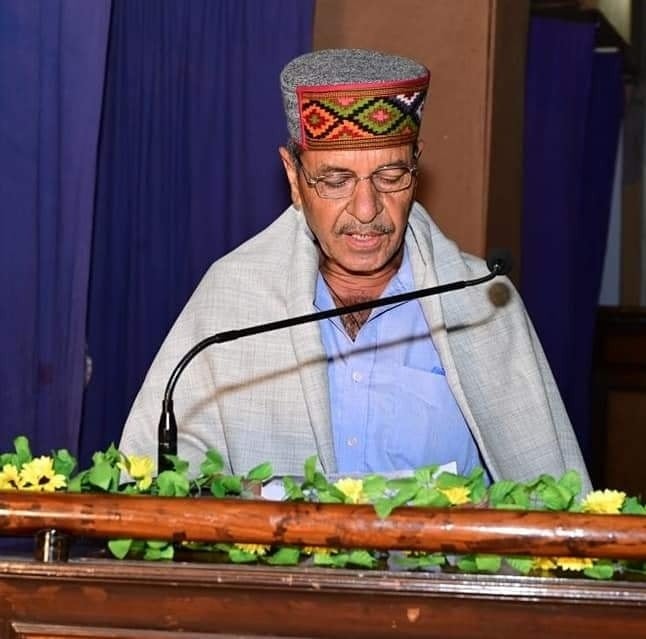
In an exclusive interview with The Interview World at Agrimach India 2025, Subroto Geed, President – South Asia, Corteva Agriscience, discusses the cutting-edge technologies and new seed varieties the company is bringing to Indian agriculture. He also explains how Corteva is confronting the challenge of spurious products, reflects on the rise of maize and millets as emerging superfoods, and underscores why farm productivity remains vital for a country like India.
The following are the key insights from his compelling conversation.
Q: What new technologies and seed varieties is Corteva introducing in the agriculture sector, particularly for the Indian market?
A: Corteva operates across two core domains: high-quality hybrid seeds and advanced crop-protection solutions. Within crop protection, the company offers a comprehensive suite—from chemical products to an expanding range of biologicals. Innovation drives both sides of this portfolio.
On the seed front, Corteva continuously introduces new hybrid varieties. Maize remains its largest platform, followed by hybrid rice, hybrid mustard, and hybrid millet. Each category sees ongoing advancements as the company brings improved genetics to market year after year.
Meanwhile, on the crop-protection side, Corteva is innovating in insecticides, herbicides, and fungicides, ensuring farmers have access to cutting-edge tools for resilient crop productivity. Strengthening this effort, the company recently expanded its global footprint in biologicals with the acquisition of Stoler and Symborg (Simba). Their products are now progressing toward introduction in India.
Together, these developments demonstrate that innovation runs across Corteva’s entire portfolio—driving new solutions for farmers at every stage of the agricultural cycle.
Q: Given the rise of spurious products in the market, which undermines companies with significant R&D investments, what measures are you taking to combat this challenge?
A: As with any successful product, spurious versions inevitably surface. When an original product performs well, counterfeiters attempt to imitate it. As a market leader, Corteva takes this challenge seriously and works to ensure farmers receive only genuine, high-quality products.
To protect them, we have established robust mechanisms that help farmers verify authenticity. For instance, every product carries a QR code that farmers can scan using our mobile app, allowing them to instantly confirm whether the product is genuine. In addition, our sales and field teams regularly engage with farmers, creating awareness and educating them on how to identify authentic products.
We also collaborate closely with regulatory authorities, government bodies, enforcement agencies, and industry partners to curb the spread of spurious products. Our goal is clear: to safeguard farmers so they are not the ones who ultimately pay the price for counterfeit goods.
Q: With maize and millets emerging as potential superfoods, what is your perspective on their growing importance?
A: Maize has become one of the most discussed cereals today, often referred to as the queen of cereals. Its rising prominence stems from several powerful demand drivers. The most significant is its use in poultry feed. As the country advances, protein consumption naturally increases. This shift in dietary patterns is a structural trend seen whenever a nation moves from developing to more developed stages, and maize sits at the center of that transition.
Beyond poultry, the ethanol sector has given maize a substantial boost in recent years. As the government pushes for greater fuel security and self-sufficiency, the ethanol blending program has expanded rapidly. In this context, maize is emerging as a more sustainable feedstock compared to water-intensive crops like sugarcane and rice. Together, these factors are creating strong, long-term demand for maize.
In response, Corteva is bringing its best technologies to the fore, not only high-performing maize hybrids but also complementary crop-protection solutions, ensuring farmers receive a comprehensive, end-to-end offering.
Millets, meanwhile, hold their own distinct importance. Recognized as highly nutritious and climate-resilient grains, they gained renewed momentum during the International Year of Millets. Their adoption has grown steadily, reinforcing their relevance in India’s evolving food and agriculture landscape.
Both maize and millets, therefore, are strategically significant crops, each contributing to a healthier, more resilient, and more sustainable food system.
Q: Crop production is rapidly evolving and becoming a key component of the agricultural ecosystem. How do you see its future?
A: We believe that India must continuously raise farm productivity. The country faces the challenge of feeding a growing population with fewer resources—less land, diminishing water availability, and the mounting impacts of climate change. In this environment, productivity sits squarely at the center of the national agricultural agenda.
To achieve this, farmers need a comprehensive suite of solutions that protect crops from every type of pressure. These include biotic stresses such as pests and diseases, as well as abiotic stresses like drought, heat, and unpredictable weather. Providing this full spectrum of protection is essential.
In that context, we approach crop protection holistically, ensuring that farmers receive integrated, effective solutions that support resilient and sustainable productivity gains.