


India stands at a critical demographic turning point. Although the country is widely perceived as young, its fastest-growing cohort comprises citizens aged 80 and above. This demographic transition will fundamentally reshape healthcare demand in the coming decades. Ageing brings multimorbidity, functional impairment, social fragility, and an escalating risk of dementia. Therefore, the system must move beyond fragmented, disease-centric models and adopt integrated, person-centred care. India now requires a comprehensive geriatric care ecosystem, one that is preventive, interdisciplinary, and continuum-based, to secure healthier ageing across generations.
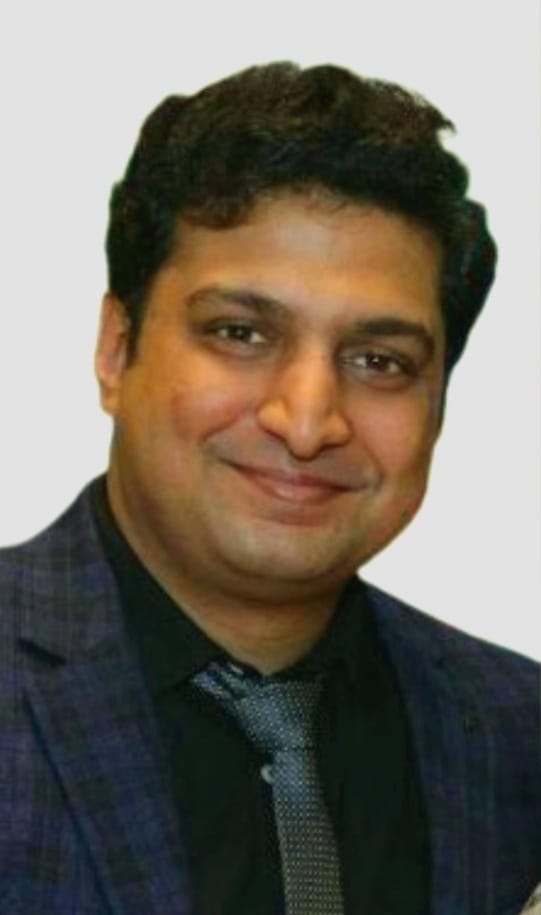
In an exclusive interaction with The Interview World at the Illness to Wellness Conference on The Role of Geriatric Care in Promoting Healthy and Graceful Aging, Prof. Dr. Prasun Chatterjee, Chief of Geriatric Medicine and Longevity Science at Artemis and former Professor at the National Centre for Ageing, AIIMS, New Delhi, offers a rigorous assessment of the country’s geriatric landscape. He identifies critical gaps in service delivery, outlines priority interventions to strengthen capacity, articulates the need for a structured dementia-care ecosystem, and delineates the major risk factors driving cognitive decline. The following are the key insights from this incisive conversation.
Q: How do you assess the current trajectory of geriatric care development in the country, and what is its strategic importance within the broader healthcare ecosystem?
A: India is often characterized as a young country, yet a significant demographic shift is underway. Individuals aged 80 years and above represent the fastest-growing population segment. By 2050, many of today’s children will have entered the 60-plus age group, fundamentally altering the population structure. This transition is certain and demands immediate strategic planning.
Ageing brings complex healthcare needs. Older adults commonly experience multimorbidity, with overlapping cardiovascular, neurological, metabolic, musculoskeletal, and psychological conditions. Social and financial vulnerabilities frequently compound these medical challenges. Standard adult treatment models are insufficient; geriatric care requires specialized training, interdisciplinary collaboration, and a sophisticated understanding of age-related physiology.
In response, the Government of India has initiated the National Programme for Health Care of the Elderly (NPHCE), promoting dedicated geriatric departments in medical colleges. Building a trained workforce is essential. Geriatricians must lead care delivery, train nurses and community workers, and extend knowledge to families, who remain primary caregivers.
However, resource constraints and workforce limitations make universal institutional care impractical. Developing certified community-based caregivers is therefore critical. With structured training and early detection systems, India can proactively address population ageing. Geriatric care is no longer optional—it is a public health priority requiring coordinated national action.
Q: What priority domains require immediate attention to strengthen geriatric care delivery?
A: Geriatric care must be structured around a comprehensive, integrated framework. A practical model is the “five Ms”: memory, mood, muscle, mobility, and multiple medications. These domains are interdependent and collectively shape functional capacity and quality of life in older adults.
Memory is foundational. Cognitive function governs judgment, safety, and the ability to perform daily tasks. Early identification of impairment through systematic assessment is essential to preserve autonomy and guide care planning.
Mood is equally critical. Depression, anxiety, chronic stress, loneliness, and sleep disorders are common yet frequently overlooked. These conditions negatively influence cognition, physical performance, and treatment adherence, thereby amplifying overall vulnerability.
Mobility determines independence. Safe ambulation depends on joint integrity, balance, and neuromuscular coordination. Disorders such as osteoarthritis or peripheral neuropathy can significantly restrict movement and must be addressed proactively.
Muscle strength underpins mobility. Age-related sarcopenia reduces stability, increases fall risk, and delays recovery from illness. Targeted exercise and rehabilitation are therefore indispensable.
Finally, polypharmacy requires vigilant management. Multiple prescriptions heighten the risk of adverse reactions, interactions, cognitive effects, and falls. Careful medication review and rational deprescribing are essential.
Effective geriatric care demands coordinated, interdisciplinary expertise to manage these interconnected domains safely and systematically.
Q: Given the rising burden of dementia in ageing populations, is there a need to build dedicated capacity and community-based ecosystems at the grassroots level?
A: Dementia care requires attention not only at the grassroots level but also within tertiary hospitals. Yet, in reality, most physicians—particularly in advanced care settings—show limited interest in managing dementia. Many perceive it as the end of the clinical road. However, that perception is flawed. Dementia is not the end of the tunnel; meaningful intervention remains possible. A substantial body of research demonstrates that we can treat and modify the course of dementia to a significant extent.
That said, dementia does not respond to simplistic management. It is not analogous to hypertension, where one prescribes a drug and achieves control. Instead, dementia presents as a complex, multifactorial condition. Consequently, it demands a structured, multi-pronged strategy.
Effective management requires a multidisciplinary team. A trained physician must lead the process. A psychologist must address cognitive and behavioral symptoms. A dietitian must optimize nutritional status. A physiotherapist must preserve mobility and function. Equally important, clinicians must actively involve the family. Dementia care cannot succeed in isolation; it requires coordinated engagement. In essence, we must assemble an integrated care framework rather than rely on fragmented consultations.
Beyond treatment, caregiving poses a serious structural challenge in our country. As dementia progresses, patients gradually lose independence. In advanced stages, they may forget familiar spaces, including the location of their own bathroom. They require continuous supervision. Therefore, the critical question is: who will serve as the caregiver? Without trained and supported caregivers, even the best clinical plan will fail.
At the same time, we must shift from reactive treatment to proactive prevention. Healthy ageing should be a national priority. Importantly, dementia is not entirely inevitable. Evidence identifies 12 to 13 modifiable risk factors—such as hypertension, diabetes, physical inactivity, social isolation, hearing loss, and poor sleep. If we address these systematically, we can reduce the risk of dementia by up to 30 percent.
In summary, dementia care demands clinical commitment, multidisciplinary coordination, caregiver support, and preventive strategy. It is neither futile nor optional. With the right framework, we can improve outcomes and promote dignified ageing.
Q: What are the risk factors associated with dementia?
A: Dementia risk is strongly shaped by modifiable lifestyle factors. Physical inactivity, in particular, elevates vascular risk and contributes to hypertension, diabetes, dyslipidemia, and obesity. These conditions impair cerebral blood flow and hasten cognitive decline. Effective control of blood pressure, glucose, and lipid levels is therefore a central strategy in preventive neurology rather than a secondary concern.
Education is another powerful determinant. Lower formal education levels are associated with higher dementia risk, yet cognitive protection does not depend solely on schooling. Lifelong learning—through reading, skill development, and intellectually demanding activities—strengthens cognitive reserve and enhances neural resilience, reducing susceptibility to decline.
Additional contributors include social isolation, depression, hearing impairment, air pollution, and diets high in ultra-processed foods. Each factor independently increases risk; together they compound it. Evidence suggests that addressing these determinants may reduce dementia risk by up to 30 percent, making prevention both realistic and impactful.
An emerging challenge is excessive digital consumption. Short-form, rapid content fragments attention and discourages sustained thinking across age groups. Persistent screen exposure can disrupt sleep, weaken concentration, and erode cognitive stamina. Dementia prevention therefore requires disciplined health management, continuous learning, strong social connection, and prudent digital habits to preserve long-term brain resilience.





1 Comment
I like what you guys are up also. Such intelligent work and reporting! Carry on the superb works guys I¦ve incorporated you guys to my blogroll. I think it’ll improve the value of my website 🙂
Comments are closed.