
Deepa Malik stands as a living embodiment of audacity and unyielding spirit. Paralyzed from the chest down after a spinal tumour surgery, she chose to defy fate rather than surrender to it. At the age of 36, she stormed into the world of sports—an arena rarely imagined for those in wheelchairs—and boldly rewrote India’s para-sporting narrative. In a historic triumph, she clinched a silver medal in the F53 shot put at the Rio 2016 Paralympics, recording a personal best of 4.61 meters. This victory made her the first Indian woman to ever win a medal at the Paralympics.
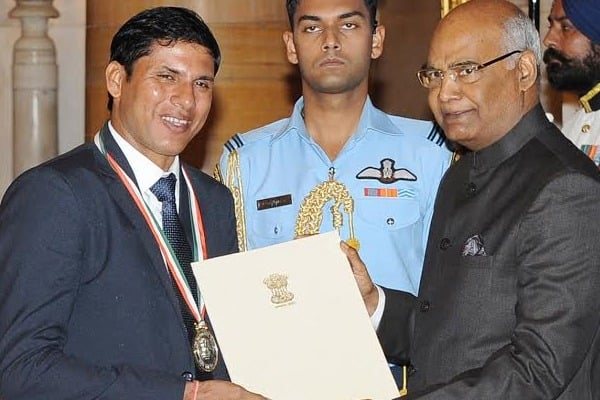
Her accolades didn’t stop there. Deepa earned the Arjuna Award in 2012, followed by the Padma Shri in 2017, and the Major Dhyan Chand Khel Ratna Award in 2019—cementing her place as a national icon.
Yet, Deepa’s journey goes far beyond the track and field. She broke barriers in multiple arenas—setting Limca Records in swimming and motor sports, securing a rally license for modified vehicles, and eventually rising as the first woman President of the Paralympic Committee of India.
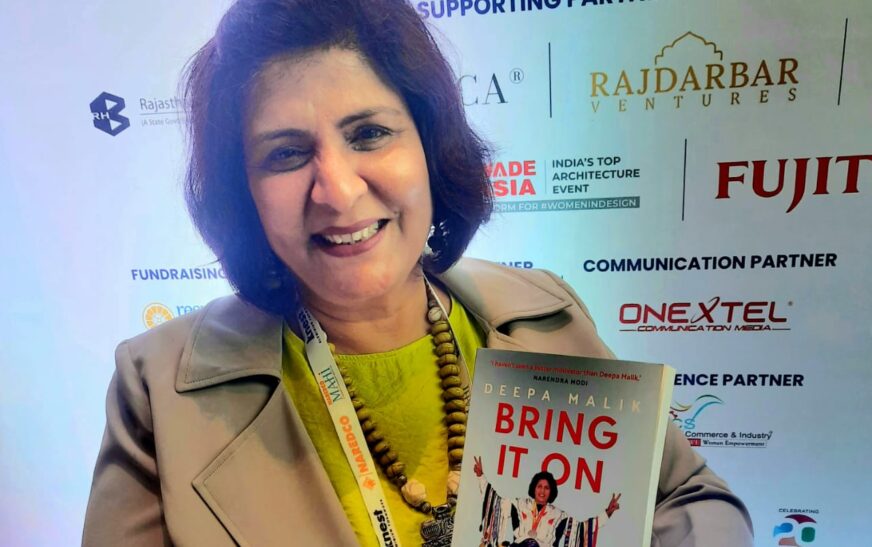
In her recently released memoir, Bring It On: The Incredible Story of My Life (HarperCollins, 2025), Deepa lays bare her battle against spinal tumours, gender norms, and rigid societal expectations. Through each page, she reaffirms her relentless quest for inclusion and dignity. As the founder of Wheeling Happiness, she turns advocacy into action—championing accessibility, empowerment, and equality for all.
Importantly, Deepa rejects the label “wheelchair-bound.” Instead, she proudly declares herself “wheelchair-liberated.” And indeed, she is—undaunted, unstoppable, unforgettable. Her memoir Bring It On isn’t just about sports; it’s about resilience, reinvention, and rising above labels
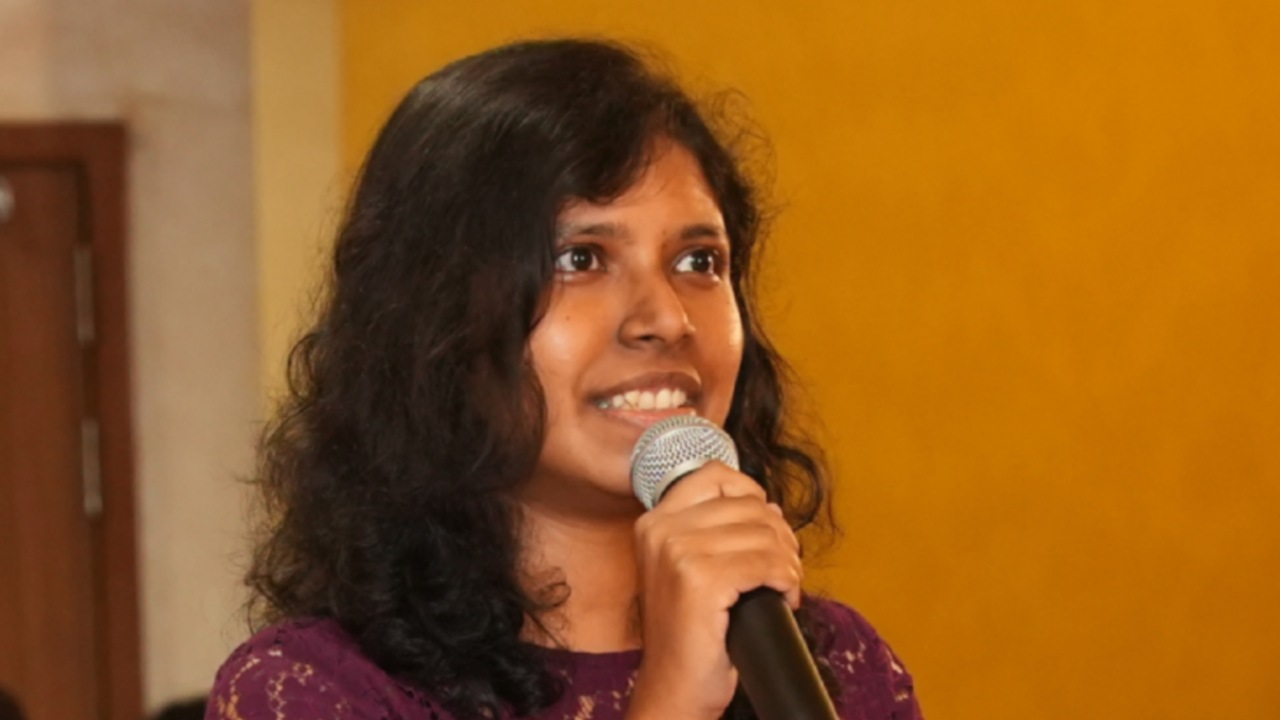
In an exclusive conversation with The Interview World at the NAREDCO Mahi Convention 2025, Deepa shares the inspiration behind writing Bring It On, delivers a powerful message to the younger generation, and outlines the mindset needed for individuals with disabilities to not only survive—but thrive. She also urges governments to build truly inclusive ecosystems—ones that go beyond accessibility to actively empower and uplift the specially-abled.
Here are the most compelling insights from her transformative dialogue.
Q: What was the key inspiration behind writing Bring It On: The Incredible Story of My Life?
A: People often called me wheelchair-bound. But I knew that label didn’t define me. I could swim. I could drive. I could play sports. I could earn my own living. I realized then—if I could do all of this, how could I possibly be “bound”?
I saw how society often views disability through a narrow, stereotypical lens—especially when it comes to women with disabilities. That narrative never fit me. I had found my silver linings. And I had turned them into a silver medal—India’s first-ever medal by a woman at the Paralympic Games. I rose above adversity, challenged every limitation, and proved that ability thrives beyond disability.
So, in the silver jubilee year of my chest-below paralysis, I made a decision. I would tell my story—not as a tale of struggle, but as a declaration of liberation. I would write a memoir that proudly proclaims: I am not wheelchair-bound; I am wheelchair-liberated.
Bring It On is not just a sports memoir. It is the story of a woman. A mother. A wife. A daughter. It explores relationships, resilience, self-acceptance, and emotional healing. It reflects on the mental strength required to embrace one’s physical reality with grace and grit.
At its core, the book also speaks about the power of the right policies—how they can open doors and create opportunities for true empowerment. Above all, it is a testament to hope. To the belief that no matter how dark it gets, there is always a light.
That light—Deepa, my name—shines through every page of this book.
Q: What core message or life lesson would you like to pass on to today’s younger generation?
A: To the younger generation, I offer this message:
Treat life as the one festival worth celebrating every single day. Embrace it with gratitude, joy, and purpose. But celebration alone isn’t enough—rise to the occasion of citizenship with responsibility. Give back. Contribute. Uplift those around you.
At the same time, understand this fundamental truth: change is the only constant. Instead of resisting it, train yourself to adapt swiftly and accept it with open arms. The faster you align with change, the stronger and more resilient you become.
Above all, shift your mindset. Don’t dwell on problems with a negative lens. Instead, cultivate the habit of seeking solutions. Be the person who steps forward with clarity, not one who steps back in complaint. That shift—from problem-focused to solution-driven—is where true growth begins.
Q: What mindset or conviction do you believe is essential for individuals with disabilities to grow and thrive in life?
A: True growth begins with conviction—the unwavering resolve to evolve every single day.
Wake up with one clear goal: to become a better version of yourself than you were yesterday. But don’t stop there. Empower yourself, yes—but also reach beyond. Strive to uplift at least one other person. Touch a life. Make a difference.
Because real progress isn’t just personal. It’s transformational—when your growth inspires and enables others to grow too.
Q: From a policy standpoint, how can governments create a more inclusive ecosystem that not only ensures accessibility but also empowers specially-abled individuals to thrive?
A: Government policy has taken a significant step forward—what was once limited to seven recognized disabilities has now expanded to 21 under the Disability Act. Today, accessibility is no longer a suggestion; it is clearly defined in our national framework. The building code and infrastructure regulations explicitly mandate inclusive design. Moreover, under the leadership and vision of Prime Minister Modi, the Accessible India Campaign has become a national priority.
This reflects more than just policy—it reflects intent. The government is committed to creating equal opportunities for persons with disabilities by ensuring they receive their rightful place in society. But policy alone cannot drive change.
Every citizen must take ownership. Collective progress demands individual responsibility.
If you’re an entrepreneur, build inclusive workplaces. Hire and empower persons with disabilities. If you’re an educator, create inclusive classrooms and ensure your infrastructure supports every learner. If you’re in sports, champion para-athletes—provide them with proper facilities, equipment, and prosthetics so they can thrive.
The vision of an accessible India cannot rest solely on government shoulders. It calls for every individual, organization, and community to act with purpose. Let us join hands—not just to support policy, but to embody it. Together, we can build a truly inclusive nation.