

Autism and disability are no longer peripheral issues; they are central social realities of our time. As prevalence rises and awareness deepens, societies worldwide, particularly in India, are confronting questions that extend far beyond healthcare or policy. These questions touch on dignity, inclusion, responsibility, and the very definition of human worth. Acceptance, respect, and recognition of individual uniqueness must come before systems, strategies, or statistics. By embracing this approach, we shift the perspective on autism: it is not a deficit to manage, but a human condition that demands understanding and collective responsibility.
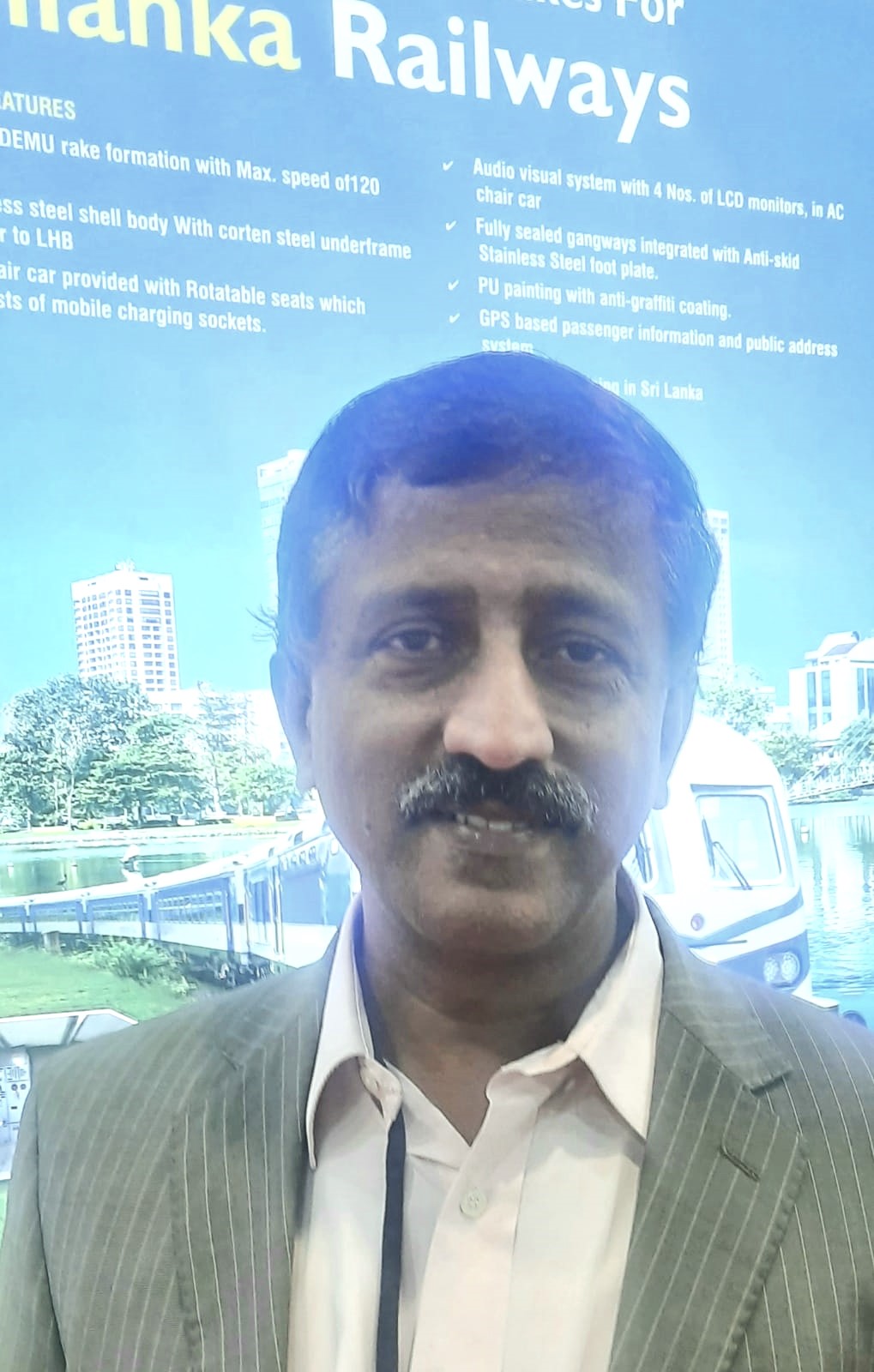
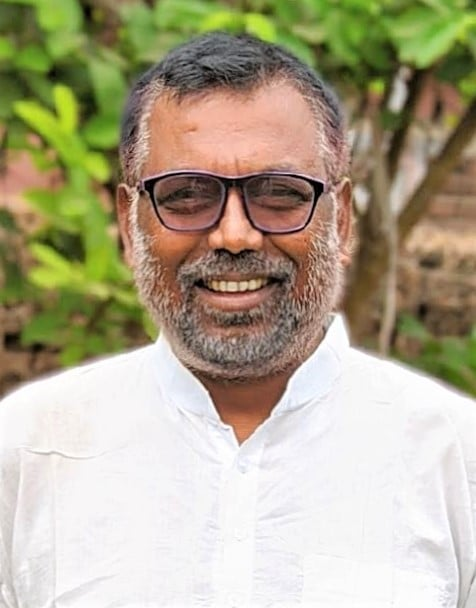
In an exclusive conversation with The Interview World, Suresh Somani, Managing Trustee of the India Autism Center, emphasizes the growing impact of autism both in India and globally. He highlights government initiatives aimed at integrating autistic individuals into society, examines the societal mindset and cultural shifts necessary for meaningful inclusion, and underscores the importance of dignity and acceptance. Moreover, he challenges the conventional focus on skilling autistic people, arguing that fostering acceptance and understanding is far more essential.
The following are the key takeaways from his compelling insights.
Q: How significant is the burden of disability, especially autism, in India or the world?
A: Alarming is the only word that adequately captures the situation globally and in India alike. If current studies indicate a prevalence of one in forty, the scale becomes impossible to ignore. In India alone, that translates into crores of people on the autism spectrum. Moreover, autism does not affect individuals in isolation; it profoundly impacts entire families. When viewed holistically, nearly five to six percent of the country is directly or indirectly affected. At this point, the issue has moved beyond concern and into urgency. The numbers demand attention, and the moment calls for decisive action now, not later.
Q: What government initiatives and policies exist to support the social inclusion and integration of people with autism?
A: I am not the one to prescribe what the government should or should not prioritize. This country faces multiple, competing challenges, and the government must inevitably sequence its responses. That said, in my own experience, I have never encountered resistance when engaging with government institutions. Yes, waiting periods are a reality, but they are largely a function of our population size and systemic scale. Even so, I have consistently found both the government and, in particular, the bureaucracy to be cooperative and receptive. At this juncture, however, the responsibility cannot rest solely with the state. It is time for us, as citizens, to step forward and contribute meaningfully, rather than remain passive and wait for the government to act. That is the lens through which I view this issue.
Q: What societal mindset and cultural shifts are required to meaningfully include autistic individuals in mainstream society?
A: The first shift we must make is in our mindset: we need to stop viewing autism as a disability. Autism is a condition and, in many cases, what we label as a disability is simply a difference in condition. A condition warrants respect and understanding, not judgment. That distinction is fundamental. Once we grasp it, the next step becomes clear: acceptance. We must accept autistic individuals as they are, just as we accept countless other variations in the human experience. Certainly, some individuals on the spectrum face significant functional challenges, and those realities must be acknowledged. Even so, at the broadest level, one principle stands above all others acceptance. Not partial or conditional acceptance, but complete and wholehearted acceptance.
Q: What is the economic impact of autism on society?
A: Frankly, I do not frame this issue in terms of economic impact. There is a world far larger than the economy, and this conversation belongs there. At its core, this is about human understanding and mutual acceptance, values that matter far more than any balance sheet. Consider our country: it encompasses the rich, the poor, the middle class, and the ultra-wealthy; men and women; the young and the old. We coexist across every imaginable difference. If we can accept this vast diversity, there is no justification for excluding those with disabilities, particularly intellectual disabilities. Questions about economic consequences can wait. Human dignity and acceptance must come first.
Q: What approaches are most effective in developing relevant skills among people with autism?
A: I question the very way the world defines “skill.” What do we actually mean by it? The fact that I am able to speak to you, does that constitute a skill, or is it simply the result of conditioning and circumstance? We draw arbitrary lines between the “skilled” and the “unskilled,” as though competence were universal and uniform. Yet the ability to run a restaurant does not automatically translate into effectiveness in an office, nor should it have to. Setting that debate aside, the more fundamental question remains: can we accept people as they are, for who they are?
Please consider this: every creation in nature is unique. Every leaf is distinct. Every animal is different. Every human being is singular. The uniqueness you see in one person’s face is inseparable from who they are. So why insist on standardizing individuals or forcing them to conform to someone else’s definition of skill? Each person already possesses something of value, something inherently their own. That is what deserves respect.
Our responsibility, then, is not to impose a generic notion of skill, but to recognize what already exists and help bring out the best in it. That, to me, is the true measure of contribution, not “skilling” in the narrow, mechanical sense of the word, but acceptance coupled with the ability to nurture individual strengths. Frankly, that is why I find the term “skilling” itself limiting and prefer not to frame the conversation around it at all.