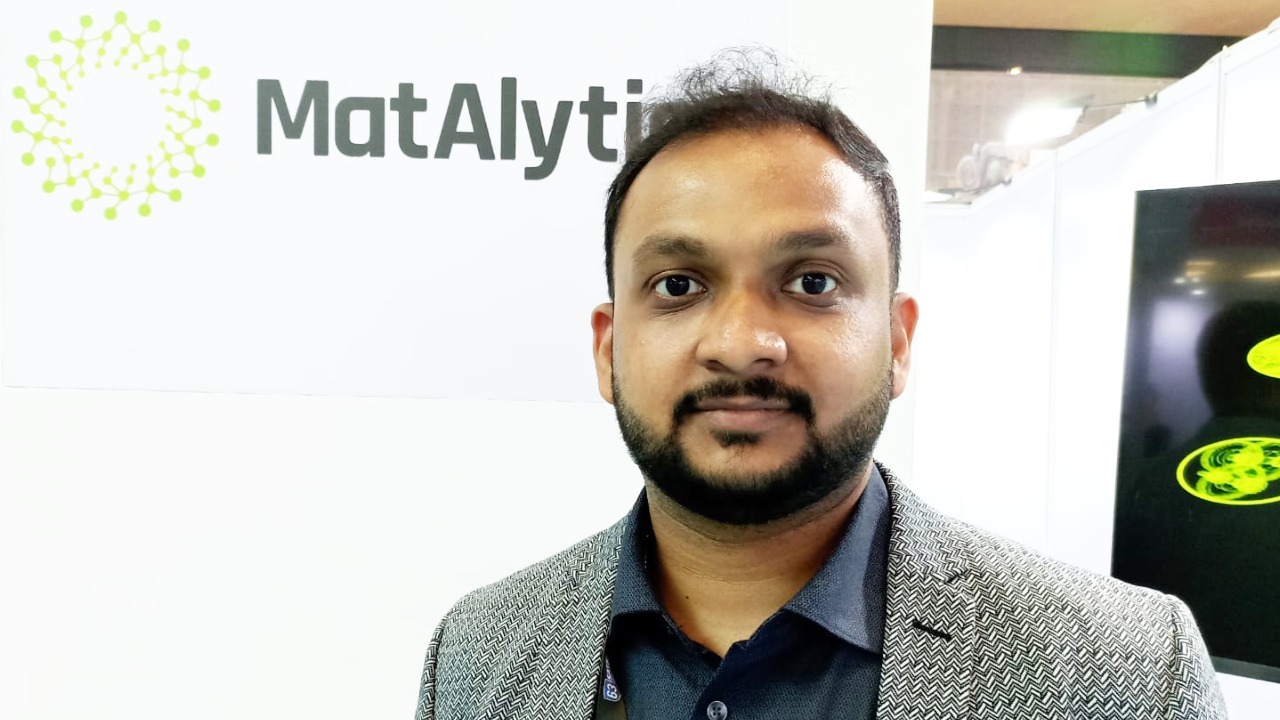


In the coming year, artificial intelligence (AI) will fast-track the evolution of education—from rigid, one-size-fits-all systems to dynamic, personalized, and adaptive learning models. This transformation holds particular promise for learners in India’s Tier II and III regions, where AI can bridge critical gaps in access and quality. Through real-time feedback, virtual mentorship, and career-oriented content tailored to individual goals and pace, students will experience education like never before.
At the individual level, both students and professionals will embark on smarter, more efficient learning journeys. AI’s capacity to assess strengths, pinpoint skill deficiencies, and recommend precise upskilling pathways will redefine how people learn and grow.
On AI Appreciation Day, observed on July 16, The Interview World spoke with Ranjita Raman, CEO of Jaro Education, to explore how AI is already reshaping the edtech landscape. In this exclusive interaction, she shared how Jaro Education actively leverages AI to align its programs with evolving industry needs, ensuring learners remain agile and competitive in a rapidly shifting job market.
She further noted that across the edtech sector, platforms will increasingly adopt predictive analytics and immersive technologies, enabling learners to develop real-world problem-solving skills and sharpen critical thinking abilities.
In closing, she emphasized a key truth—the institutions that successfully blend intelligent technologies with human insight will lead this transformation. They will shape a digitally fluent, future-ready workforce that can meet the challenges of tomorrow.
Here are the key takeaways from our compelling conversation with her.
Q: In what ways does skill development empower today’s youth, and how critical is it for shaping India’s economic and social future?
A: In today’s competitive landscape, a degree alone no longer guarantees success. To thrive professionally and drive the nation’s economic growth, India’s youth must possess practical skills, digital fluency, and a deep alignment with industry needs.
Skill development serves as a powerful catalyst. It empowers young individuals, expands employment opportunities, and strengthens India’s position as a global talent powerhouse. By bridging the gap between academic knowledge and real-world demands, it transforms potential into performance.
If India aspires to lead on the world stage, preparing its youth to be industry-ready is not optional—it is imperative.
Q: What key initiatives has your institution implemented to foster skill development among youth, and how are these shaping their readiness for the future workforce?
A: At Jaro Education, we don’t just deliver education—we drive transformation. Our mission is to equip learners with future-ready skills that go beyond the classroom. That’s why we’ve launched high-impact online and hybrid programs in cutting-edge domains like Strategy, Leadership, Digital Marketing, Data Science, and Artificial Intelligence.
These programs offer far more than theoretical frameworks. They cultivate hands-on expertise through real-time projects, industry-driven live sessions, and immersive case study-based learning. Every element is designed to bridge the gap between academic knowledge and practical application.
Ultimately, our goal is clear: to empower every student with the confidence, competence, and capabilities to thrive in today’s competitive job market.
Q: What strategies can be adopted to make skill development more accessible and effective for youth in rural areas and Tier-2, Tier-3 cities across India?
A: Today, the widespread reach of digital technology and the internet has unlocked unprecedented access to quality education for youth across every corner of the country. Geography is no longer a barrier—opportunity is now just a click away.
However, access alone isn’t enough. To truly empower learners, we must create content in regional languages, design mobile-first learning platforms, and accelerate digital literacy across communities.
Institutions like Jaro Education are already leading by example. They actively adopt these strategies to engage and uplift youth in smaller towns and emerging cities.
At the same time, a broader ecosystem must come together. Both government and private sectors must collaborate to establish local training centers, bringing skill development directly to the grassroots—where it’s needed most.
Q: To what extent does the current education system equip youth with industry-relevant skills, and what reforms are necessary to bridge the gap between academics and employability?
A: A glaring disconnect exists between the traditional education system and the evolving demands of industry. Bridging this gap requires a fundamental shift in how we design and deliver learning.
We must reimagine curricula to prioritize practical, skill-based, and experiential learning. This includes integrating real-world case studies, hands-on projects, and structured internships that expose students to industry challenges early on.
Education can no longer stop at a degree. It must evolve into a lifelong journey—encompassing skilling, upskilling, and reskilling to stay relevant in a dynamic job market.
Only by embracing this holistic approach can we truly future-proof our youth and equip them to lead in the world of tomorrow.
Q: What message or guidance would you offer to young individuals who are eager to pursue skill development but are held back by limited access to resources or opportunities?
A: To every young individual facing challenges, I offer this message—if you have the will to learn, no barrier is insurmountable. Determination unlocks opportunity.
Today, institutions like Jaro Education are opening doors through scholarships, free courses, and flexible payment plans. Support exists—you just need to take the first step.
Believe in yourself. Start small, stay consistent, and keep learning. Your perseverance will fuel your progress. Limited resources may slow you down, but they cannot stop you. With resilience and effort, you can shape your own path to success.