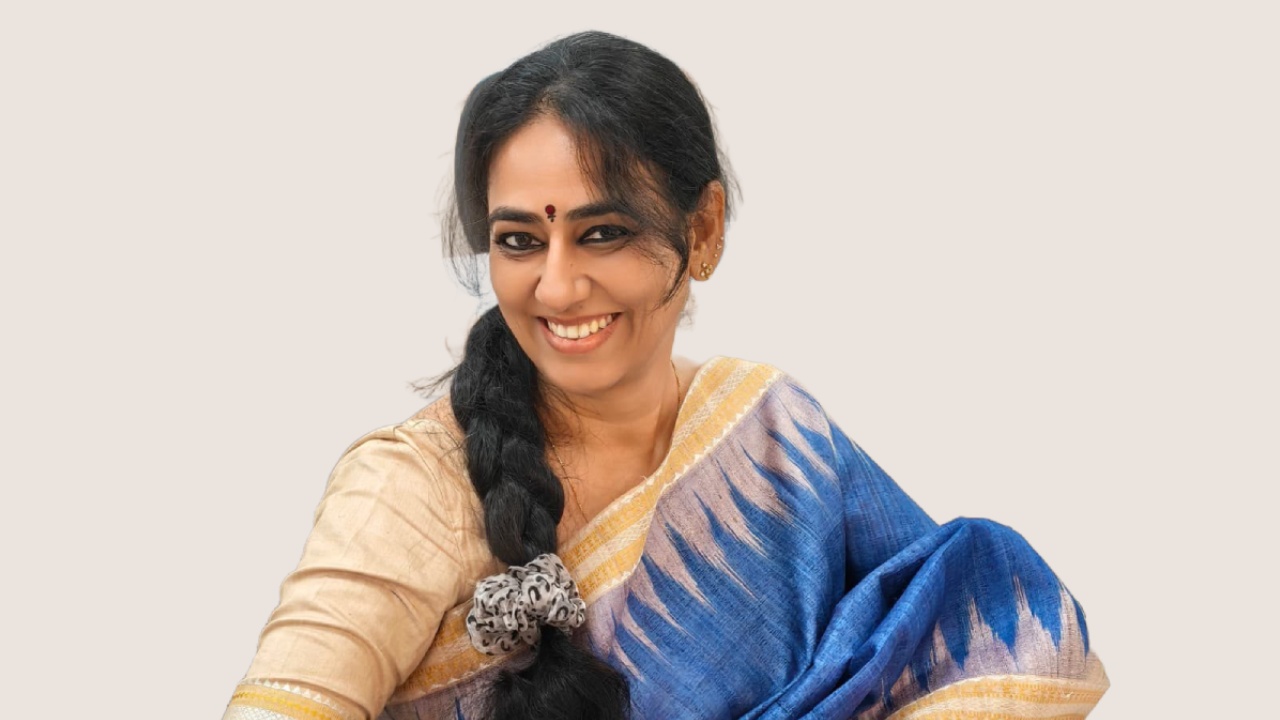

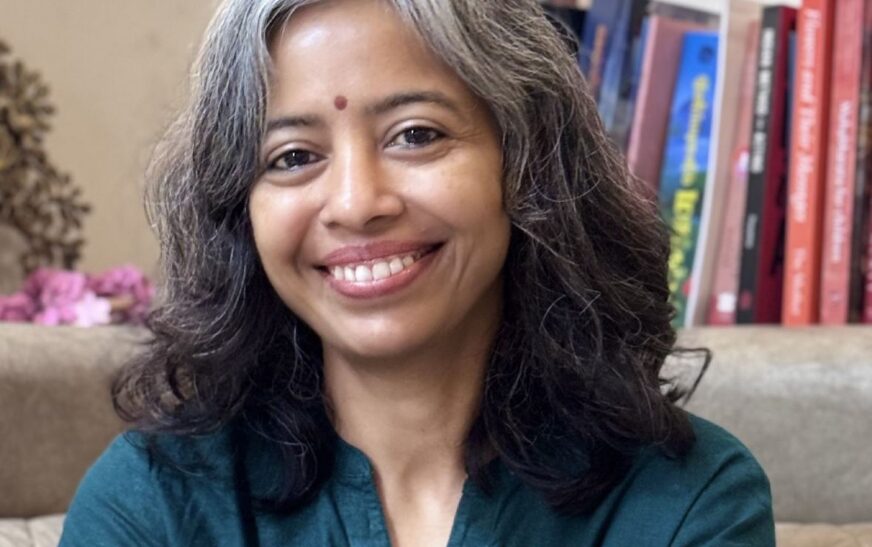
Kalyashastra, a Bengaluru-based Indian natural personal care brand founded by Krithika Prasad, draws inspiration from India’s traditional beauty, wellness, and self-care practices. Rooted in the philosophy of mindful living, the brand offers handmade, small-batch products formulated with natural ingredients and guided by traditional knowledge. Its portfolio spans skincare, haircare, oral care, body care, baby care, and lifestyle products. By adapting time-honoured practices to contemporary needs, Kalyashastra seeks to make natural personal care an integral part of everyday life.
In an exclusive conversation with The Interview World, Krithika Prasad, Founder of Kalyashastra, discusses the brand’s journey in traditional personal care, beauty, and wellness space, its efforts to encourage consumers to reconsider conventional personal care routines, and the role of experiential campaigns in building customer trust. She also explains how the brand draws credibility from traditional Indian knowledge systems and outlines her ambitions for the next three to five years. Here are the key excerpts from the conversation.
Q: Could you elaborate on Kalyashastra’s journey and its contribution to natural wellness?
A: People often begin by asking about revenue, and I understand why. Financial sustainability matters to every business. However, the moment I realised that Kalyashastra was making a meaningful difference had nothing to do with sales. A woman once wrote to tell me that her mother-in-law had started asking about the powder she used on her hair. A practice familiar to an earlier generation had returned to her household, and Kalyashastra had helped bridge that generational gap.
That experience captures what we are building. More than 50,000 people and their families now use our beauty and wellness products. Through initiatives such as our #NoSoap, #NoShampoo, #NoToothpaste, and #NoStickerBindi challenges, people have reconsidered routines they had followed for years. Our repeat-purchase rate stands at 62%, and word of mouth has driven much of our growth over the years.
I rarely think of the people who use our products as customers. They are part of a community that believes in conscious living and traditional wellness. One of our users even recommended Kalyashastra for G20 events and guided us through the entire process of participating. We did not approach the opportunity ourselves. Someone who experienced our products firsthand believed that we deserved a place on that platform. For me, that endorsement represented something far more valuable than conventional advertising.
Of course, I measure business performance, including revenue and profitability, because a sustainable enterprise must remain financially viable. However, I also measure success by how many people continue these practices a year after discovering us. The real achievement lies in helping people make lasting lifestyle choices—not simply generating another purchase.
Q: Encouraging people to unlearn familiar routines is difficult. How have you converted curiosity into customer trust and lasting behavioural change?
A: I have never believed that persuasion alone can create lasting change. A brand might convince someone to purchase a product once, but it cannot easily replace a habit that person has followed throughout life. Sustainable change begins when people experience the difference for themselves.
That belief shaped our campaigns, including #NoShampoo, #NoSoap, #NoToothpaste, and #NoStickerBindi. Instead of making sweeping promises, we invite people to question familiar routines and explore alternatives. We encourage them to observe their own experiences over time rather than accept our claims unquestioningly. The objective is to replace passive consumption with informed, conscious choices.
Many people discover us at significant turning points in their lives. They may have welcomed a baby, experienced a health concern, struggled with skin or hair problems, or found that products they once relied on no longer meet their needs. Others simply feel disconnected from traditional ways of living. We recognise these motivations and give people the space to explore alternatives at their own pace.
This approach also changes the relationship between the brand and its users. When people independently experience a product and choose to continue using it, their confidence rests on personal experience rather than marketing claims. They become more invested in the underlying philosophy, which encourages long-term engagement.
That is one reason we do not want to build a business that depends heavily on discounts or constant promotional activity. When people trust a product because they have evaluated it themselves, price becomes only one consideration among several. This trust can support customer retention, reduce dependence on aggressive promotions, and strengthen the business’s long-term economics.
Q: Traditional practices are sometimes dismissed as outdated. How do you establish their credibility and present them to modern consumers?
A: The label “old-fashioned” once bothered me. Today, I see it differently. It gives us an opportunity to explain why traditional practices deserve renewed attention and how people can evaluate them in contemporary settings.
At Kalyashastra, our formulations draw on references from Ayurveda, Siddha texts, and naturopathic practices. We pay close attention to the ingredients and processes used in every batch, and we make our products by hand. We also follow a personal principle: before introducing a product, we must feel confident about using it within our own families, including with our children where appropriate. If I am not comfortable with a formulation, I will not add it to our catalogue.
For me, credibility begins with transparency and personal accountability. However, traditional origins alone should not substitute for appropriate product evaluation or evidence. Consumers need clear information about ingredients, intended uses, and realistic expectations.
Our #NoShampoo campaign marked an important turning point in how we communicated this philosophy. We did not ask people to trust a product simply because it drew on ancient knowledge. Instead, we invited them to try an alternative and form their own opinions. This transformed tradition from an abstract concept into a personal experience.
People began discussing their experiences in their homes, among friends, and at social gatherings. Haircare became an entry point through which they discovered our broader portfolio and philosophy.
I believe traditional knowledge does not need to be defended through nostalgia alone. It needs to be understood, communicated responsibly, and evaluated fairly. By making these practices accessible to modern consumers, we can encourage a more thoughtful relationship with personal care.
Q: What is your vision for Kalyashastra over the next three to five years?
A: When I think about the next five years, I think about the children being born today. Will they grow up believing that shampoo and other conventional personal care products are unquestionable necessities simply because those products have always been around them? Or will they have the opportunity to understand different approaches and make informed choices?
That question defines our ambition. We want to bring traditional Indian wisdom back into everyday living, beginning with personal care and gradually expanding into a broader conversation about preventive health and conscious wellness.
Our business goals are equally clear. We aim to build Kalyashastra into a ₹40-crore brand within five years, reach 10 lakh households, and become a trusted first choice for people seeking to reconnect with traditional Indian ways of living. We want to make these practices relevant to contemporary families while drawing inspiration from the everyday wisdom that helped earlier generations approach personal care and well-being.
To support this growth, we are strengthening both our digital experience and our operational capabilities. We are redesigning kalyashastra.com to make it easier for first-time visitors to navigate our portfolio, understand unfamiliar Sanskrit terminology, and identify the right starting point. We are also developing an AI-powered guide that can answer common questions and help customers explore our products without having to contact me personally for every query.
Behind the scenes, we are building the systems and processes necessary to serve a larger community without compromising the principles that define us. Growth must improve accessibility and consistency while preserving the trust we have earned.
We will also need the right partners and capital to realise this vision. I want to work with people who understand that we are helping rebuild a category around traditional wellness, rather than capitalising on a passing consumer trend. The opportunity is significant, but choosing partners who share our long-term outlook matters more than moving quickly for its own sake.
Ultimately, I want Kalyashastra to grow alongside the people who believe in what we stand for. Our ambition is not merely to sell more natural personal care products. It is to help more households rediscover traditional practices, make conscious choices, and build everyday routines that reflect a deeper connection with nature and Indian wellness wisdom.