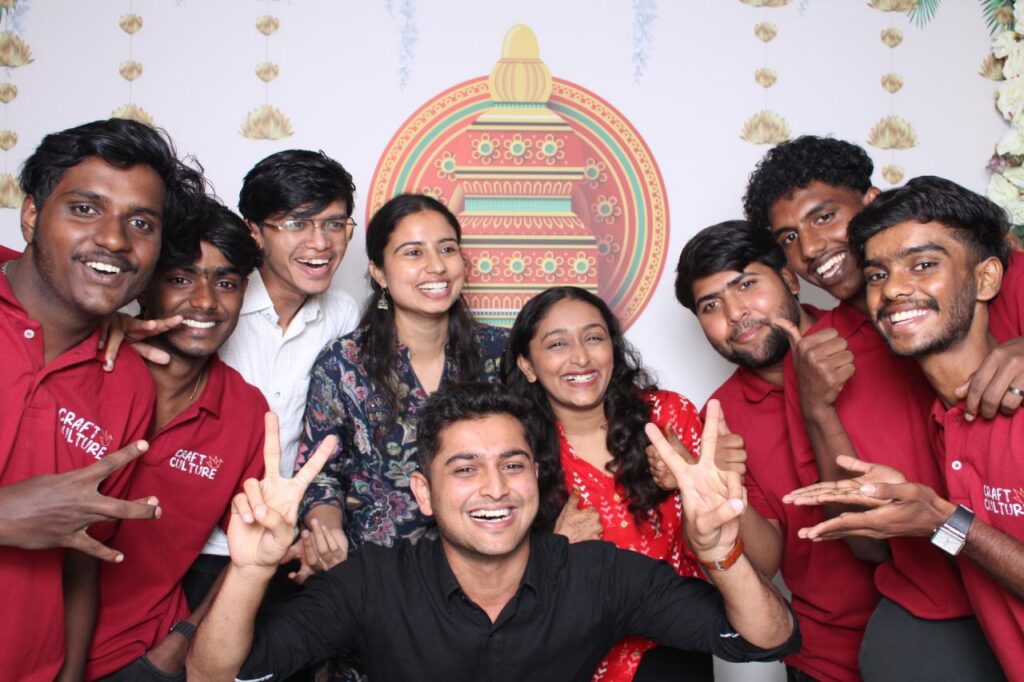

CraftCulture is an employee experience and engagement company that helps organisations cultivate stronger workplace cultures through creative, immersive, and purpose-driven experiences. Operating across India, the company designs and delivers customised workshops and programmes spanning team building, employee engagement, wellbeing, leadership development, corporate celebrations, and corporate social responsibility (CSR). By bringing together art, craft, sports, mindfulness, and collaborative activities, CraftCulture enables employees to connect meaningfully, communicate effectively, and collaborate more productively. From onboarding and employee recognition to sustainability initiatives and volunteering programmes, the company helps organisations build inclusive, vibrant workplace communities where employees feel valued, connected, and inspired.
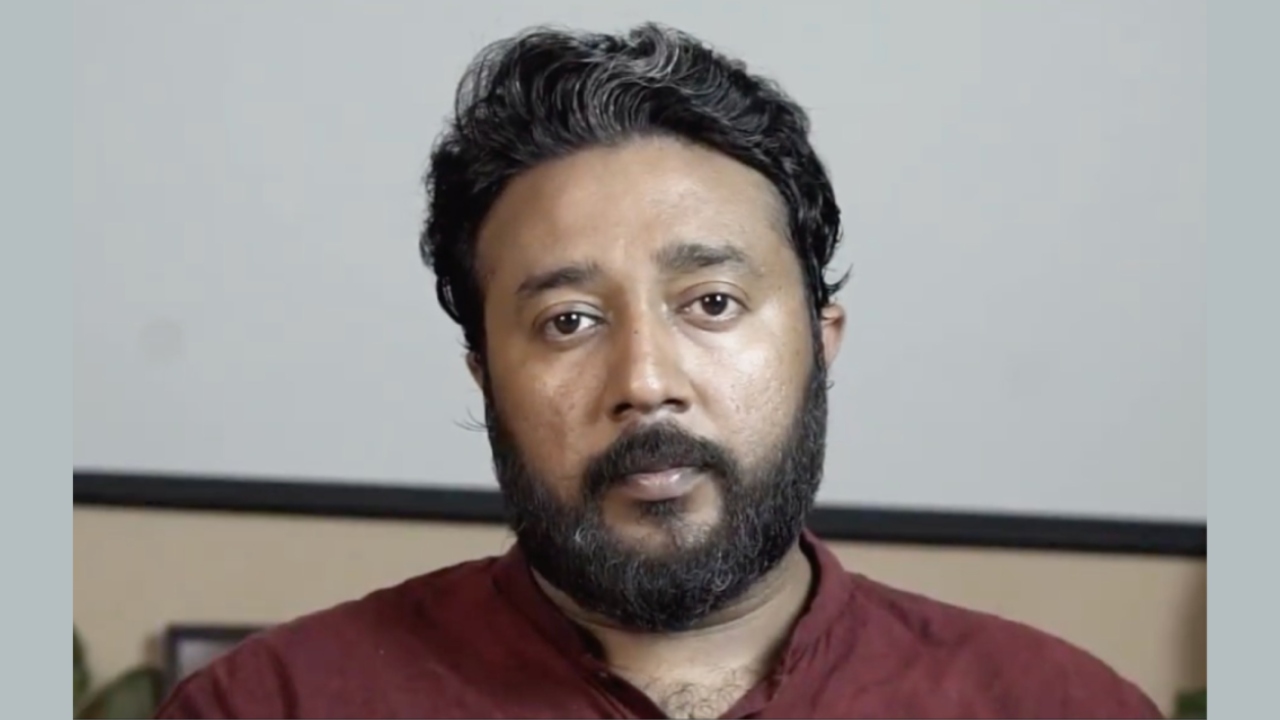
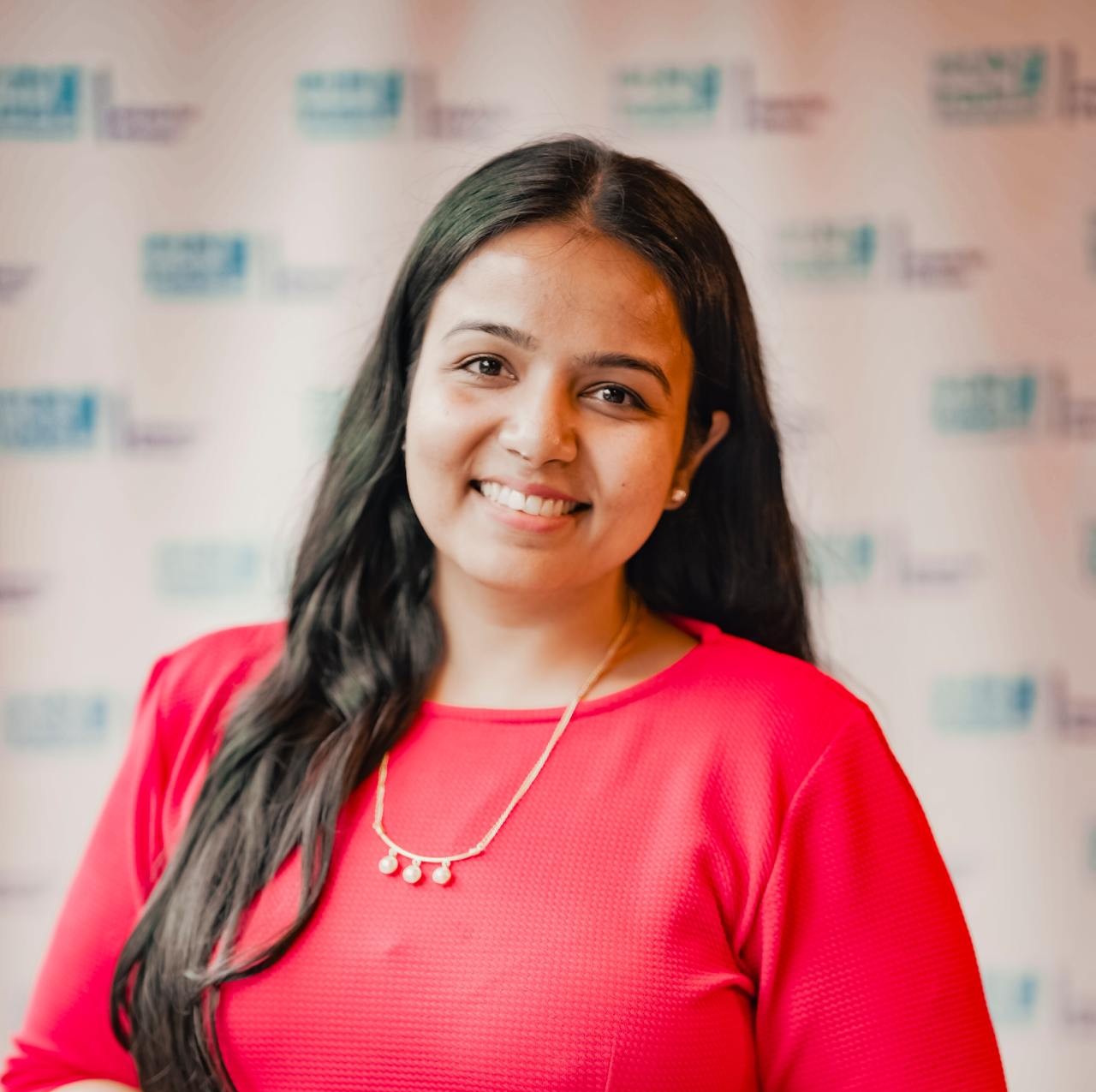
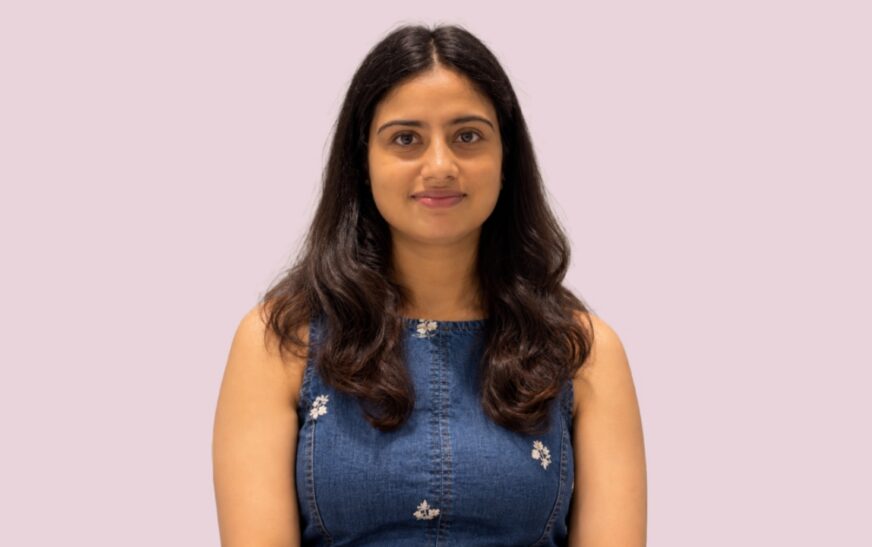
In an exclusive conversation with The Interview World, Pragati Soni, Founder of CraftCulture, discusses the key indicators driving the company’s success in workplace experience design, shares insights into what employees genuinely seek from their workplaces, and explains how founders can build people and systems that grow beyond their own involvement. She also outlines her vision for positioning CraftCulture as a leading workplace experience platform over the next three to five years.
Here are the excerpts from the conversation.
Q: Could you elaborate on the key indicators that have led CraftCulture to succeed in the workplace experience design space?
A: Since founding CraftCulture in 2023, we have worked with more than 50 corporate clients, delivered over 1,000 workplace experiences, and engaged more than 100,000 employees across India. However, I believe enterprise success extends far beyond the number of clients we serve or programmes we deliver. What matters more is the lasting value we create for organisations and their employees.
One of our strongest indicators of success is repeat business. We have progressed from delivering one-off workshops to managing recurring programmes across multiple cities. This evolution reflects growing client confidence in our ability to deliver consistent, meaningful experiences. We have also witnessed a shift in how organisations allocate their budgets. Instead of treating employee engagement as an occasional celebration expense, more companies are investing in employee wellbeing, workplace experiences, and long-term culture building.
We assess our impact through several indicators, including participation rates, employee satisfaction, office attendance, team bonding, and the quality of workplace interactions. Although individual activities may generate immediate enthusiasm, consistent engagement initiatives can help employees develop stronger relationships with their colleagues and workplace. Over time, these connections can contribute to improved collaboration, productivity, and retention.
More importantly, we have observed a fundamental shift in organisational expectations. Traditionally, workplace celebrations revolved around lunches, dinners, or annual events. Today, companies increasingly seek more holistic experiences that combine creativity, sports, cultural activities, wellbeing initiatives, and opportunities for employees to connect beyond their professional responsibilities.
For me, this transition represents one of CraftCulture’s most significant achievements. We are helping organisations move beyond simply celebrating at work to deliberately building stronger workplace cultures through meaningful, everyday experiences.
Q: After thousands of employee interactions, what have you learned about what people genuinely want from the workplace today?
A: After engaging with thousands of employees, one insight has become particularly clear: people do not necessarily want more activities at work; they want better experiences.
Employees want opportunities to connect with colleagues beyond their job roles, rediscover personal interests, pursue hobbies, enjoy meaningful breaks from their routines, and develop a stronger sense of belonging. They want to feel that the workplace offers more than professional responsibilities and performance expectations.
This understanding has fundamentally changed our approach to client engagements. Earlier, conversations often began with a simple question: “Which workshop should we conduct?” Today, we start by asking, “What do you want to achieve through this experience?” The objective could be strengthening team relationships, recognising employees, welcoming new hires, encouraging office attendance, or cultivating a stronger workplace culture.
This outcome-oriented approach has enabled us to establish annual partnerships with clients. Together, we develop structured workplace experience calendars that reflect organisational values, business milestones, employee needs, and broader cultural objectives. Rather than treating each activity as an isolated event, we design interconnected experiences that support a consistent employee engagement strategy throughout the year.
Our ultimate objective is to create workplaces where people feel connected, engaged, and fulfilled. Such experiences can encourage better collaboration, strengthen workplace relationships, and contribute to improved productivity and retention. For clients, this approach also brings greater structure and accountability to employee engagement. Instead of planning activities independently throughout the year, organisations can align their investments with measurable objectives, including participation, collaboration, employee satisfaction, and retention.
The most important lesson I have learned is that the activity itself is not the product; the experience it creates and the emotions it evokes are what truly matter. When organisations design experiences around clearly defined cultural objectives, employee engagement becomes more purposeful, consistent, and impactful.
Q: You realised that being indispensable is not the same as building a great business. How are you creating people and systems that can outgrow you?
A: One of my most important lessons as a founder has been understanding that being indispensable does not necessarily mean building a great business. In fact, a business that depends entirely on its founder’s involvement can struggle to scale sustainably.
During CraftCulture’s early stages, I was involved in almost every aspect of operations, from client conversations and experience design to vendor coordination, programme execution, and resolving last-minute challenges. This hands-on approach helped us establish the business and maintain quality. However, I soon recognised that it could not support our long-term ambitions.
The turning point came when I began consciously investing in people, processes, and systems that could operate independently of my constant involvement. We started documenting our sales and execution workflows, establishing clearer responsibilities within the team, and developing a reliable network of trainers and partners capable of delivering experiences across different cities.
Building these capabilities became especially important as we expanded into multi-city and multi-location programmes. Managing every operational detail personally was neither practical nor scalable. We needed a model that could maintain consistency, accountability, and quality while enabling our teams to execute independently.
Consequently, my role has evolved. Instead of concentrating on making every individual activity happen, I now focus more on strategic direction, team development, client relationships, and building systems that support sustainable growth.
I believe every founder must eventually make this transition: from building a business around themselves to building an organisation that can grow beyond them. The real test of leadership is not how much depends on you, but how effectively your people and systems perform without requiring your constant intervention.
Q: Looking ahead three to five years, what is your vision for CraftCulture?
A: Over the next three to five years, I want CraftCulture to become one of India’s leading workplace experience platforms, helping organisations transform their workplace cultures through meaningful, measurable, and consistently delivered employee experiences.
Our ambition extends beyond designing individual engagement activities. We want to become a long-term strategic partner to organisations, helping them shape and strengthen their workplace cultures through thoughtfully designed programmes. By working with businesses across industries and cities, we aim to create recurring experiences that enable employees to connect, collaborate, and find greater fulfilment in their work.
A critical pillar of this vision is impact measurement. Organisations invest significantly in employee engagement and wellbeing, yet they do not always connect these investments to measurable outcomes. We want to address this gap by developing systems that capture participation, employee feedback, engagement patterns, and relevant workplace data. Over time, these insights could help organisations understand how their workplace experiences relate to productivity, retention, collaboration, employee satisfaction, and office attendance.
Our larger objective is to help transform workplace experience from a predominantly qualitative function into a more structured, data-informed business discipline. By translating employee feedback and participation patterns into actionable insights, we want to empower HR professionals and business leaders to make better-informed decisions about their people, culture, and organisational priorities.
Ultimately, I want CraftCulture to help organisations move beyond asking, “What should we do for our employees?” and begin asking a more strategic question: “What does our workplace data tell us about what our people and culture need?”
I believe this shift will define the future of employee experience. By combining creativity, human connection, operational excellence, and data-driven insights, CraftCulture aims to help organisations build workplaces where people do not merely work together, but genuinely connect, grow, and thrive.