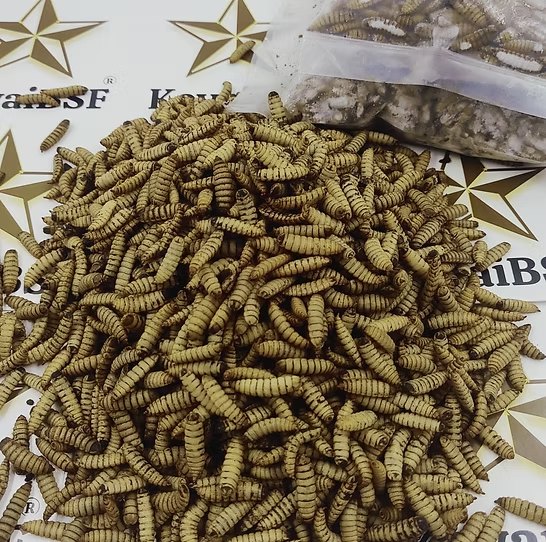

KovaiBSF, a biotechnology and sustainability-focused enterprise based in Coimbatore, Tamil Nadu, is advancing circular economy solutions through Black Soldier Fly Larvae (BSFL) technology. Established in 2018, the company converts organic waste into valuable resources that support sustainable agriculture, animal nutrition, and responsible waste management. Its product portfolio includes dried, frozen, puffed, and crumbled larvae, BSFL meal, and insect-derived oil for poultry, aquaculture, livestock, and pet nutrition.
By combining biological innovation with resource recovery, KovaiBSF aims to reduce dependence on conventional feed ingredients while creating commercially viable solutions for organic waste management. The company’s journey reflects the potential of insect-based bioconversion to address two critical challenges: the growing burden of organic waste and the rising demand for sustainable protein.
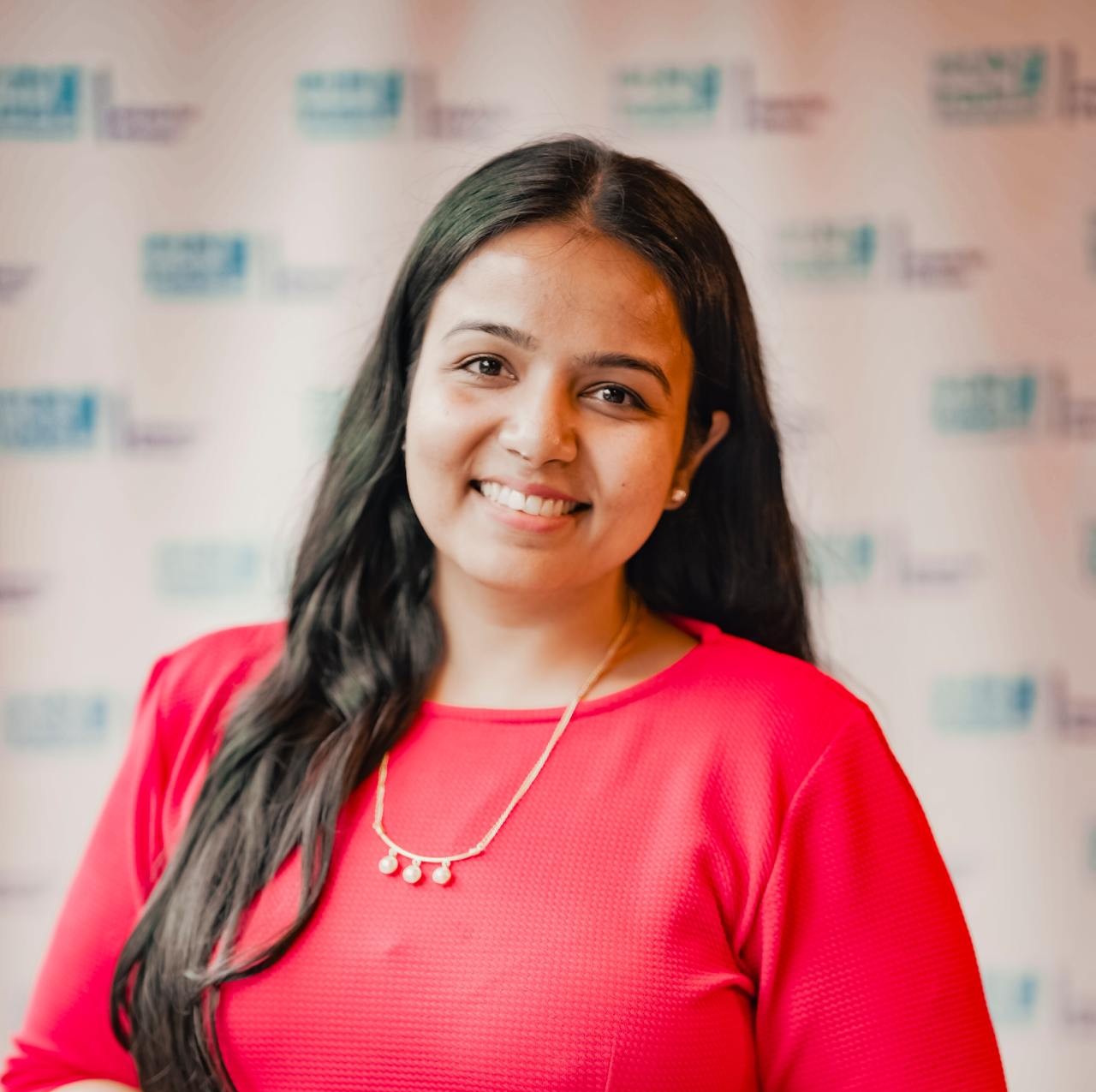
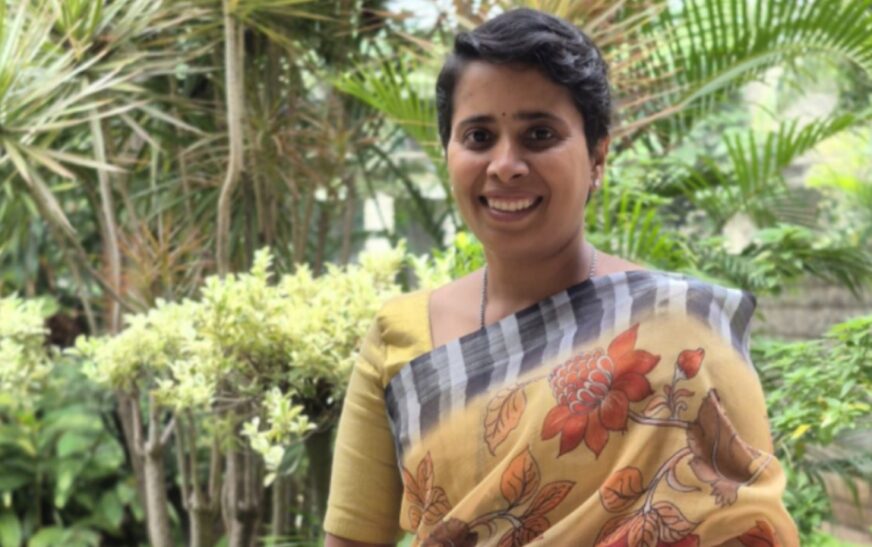
In an exclusive conversation with The Interview World, Anupa Velusamy, Founder of KovaiBSF, discusses the company’s distinctive approach to waste management and the circular economy, explains how Black Soldier Fly Larvae transform organic waste into valuable resources, and reflects on the challenges that shaped its commercial model. She also outlines her growth ambitions and vision for the next three to five years.
Here are the key insights from the conversation.
Q: Could you elaborate on KovaiBSF’s key differentiators in waste management and the circular economy?
A: Since 2018, KovaiBSF has focused on processing wet organic waste using Black Soldier Fly Larvae (BSFL). We invested three years in dedicated research and development to stabilize the larvae’s life cycle and establish a commercially scalable bioprocessing system. This foundational work enabled us to move beyond experimentation and develop an operational model for waste valorization.
To date, we have diverted nearly 6,500 tonnes of wet waste from landfills, helping reduce the environmental burden associated with conventional waste disposal and the potential methane emissions generated by decomposing organic matter.
However, our differentiation extends beyond waste processing. Over the past five years, we have concentrated on extracting greater value from the larvae biomass generated during bioconversion. Through sustained process innovation, we developed a portfolio of eight distinct BSFL-based products that address specific market requirements. These products offer customers sustainable, cost-effective protein alternatives while creating commercial value from resources that would otherwise be discarded.
Developing this portfolio marked a significant milestone for KovaiBSF. It helped us establish recurring revenue streams and demonstrated the commercial potential of integrating waste management with insect-based protein production. We currently have post-harvest processing capacity of 10 tonnes per month. As demand for our products expands, we are also strengthening our waste-processing capabilities to support future growth.
Q: For someone encountering BSFL technology for the first time, what happens to the waste, and where does the value emerge?
A: Black Soldier Fly Larvae are nature’s efficient organic matter converters. What we classify as waste becomes a valuable food source for these larvae. They consume organic material, grow rapidly, and convert a portion of the incoming waste into nutrient-rich biomass. The residual material can also be processed into a soil amendment, subject to appropriate treatment and quality controls.
The larvae themselves provide a valuable source of nutrition for fish, poultry, livestock, and other animals. They contain lauric acid and a broad spectrum of amino acids, making them promising ingredients for animal feed. Their nutritional properties can support animal health and performance, although outcomes depend on the formulation, species, and feeding conditions.
The real value lies in integrating these biological processes into a structured, controlled, and scalable operating system. Effective large-scale waste mitigation requires consistent feedstock management, appropriate rearing conditions, reliable processing, and rigorous quality control. Biology provides the foundation, but operational discipline makes commercial deployment possible.
We have also observed growing customer interest in BSFL-based nutrition, reflected in product acceptance and repeat business. We believe this technology has the potential to evolve into a distinct industry that connects waste management, biotechnology, agriculture, and animal nutrition. KovaiBSF is proud to contribute to the development of this emerging sector in India.
Q: What turning point helped you establish a commercially viable waste-recycling model?
A: One of our biggest challenges has been overcoming the stigma associated with wet waste and insects, particularly larvae. Although BSFL technology offers substantial environmental and commercial potential, market acceptance does not happen automatically. Customers first need to understand the science, recognize the nutritional value of the products, and develop confidence in their quality and consistency.
When we started, we faced a market with very limited demand for our products. We therefore invested considerable time and resources in awareness-building, customer education, and market development. These efforts came at a significant financial cost, and we operated through several years of losses while working to establish the business.
Scaling wet-waste processing in India presents additional challenges. The economics of waste management depend on infrastructure, collection systems, processing costs, regulatory frameworks, and the availability of reliable commercial partnerships. In some international markets, government support and established waste-management systems enable operators to offer more competitive pricing. Indian enterprises must contend with these market realities while building the infrastructure and demand necessary for long-term viability.
We believe the sector needs stronger policy alignment, greater institutional recognition, and more consistent support from state governments. Such measures could accelerate adoption, improve project economics, and encourage investment in scalable waste-processing infrastructure. We continue to work toward these changes while demonstrating that waste valorization can create both environmental benefits and sustainable business opportunities.
Q: Looking ahead three to five years, what is your vision for KovaiBSF?
A: Over the next three years, we aim to achieve annual growth of 50–60%. To reach this target, we are pursuing a focused expansion strategy built around operational scale, market development, and strategic collaboration.
We are actively exploring partnerships with government bodies and private-sector organizations to participate in wet-waste management projects. These collaborations can help us expand our processing capabilities, strengthen our market presence, and integrate BSFL technology into broader waste-management systems.
We also recognize that collaboration will be essential to building this industry. Governments, municipalities, waste-management operators, research institutions, and private enterprises must work together to establish efficient collection networks, develop appropriate infrastructure, and create reliable markets for the products derived from organic waste.
The growing institutional focus on solid-waste management presents an encouraging opportunity. We see waste management emerging as a significant sector in its own right, with the potential to generate economic value while addressing pressing environmental challenges.
Our long-term ambition is to strengthen KovaiBSF’s position in this evolving ecosystem by combining technological innovation, responsible resource recovery, and commercially sustainable operations. We want to demonstrate that organic waste is not merely a disposal problem; it is also an untapped resource. By converting that resource into valuable products, we aim to contribute to a more circular, resilient, and sustainable economy.