
Surgiderma is a Bengaluru-based healthcare centre specialising in dermatology, cosmetology, plastic surgery, laser procedures, hair restoration, weight management and vascular surgery. With centres in Kalyan Nagar and Yelahanka, it combines personalised care with experienced medical professionals and advanced technologies, including VASER, radiofrequency and laser systems. It also offers dental care, physiotherapy, pharmacy, laboratory and general medical services.
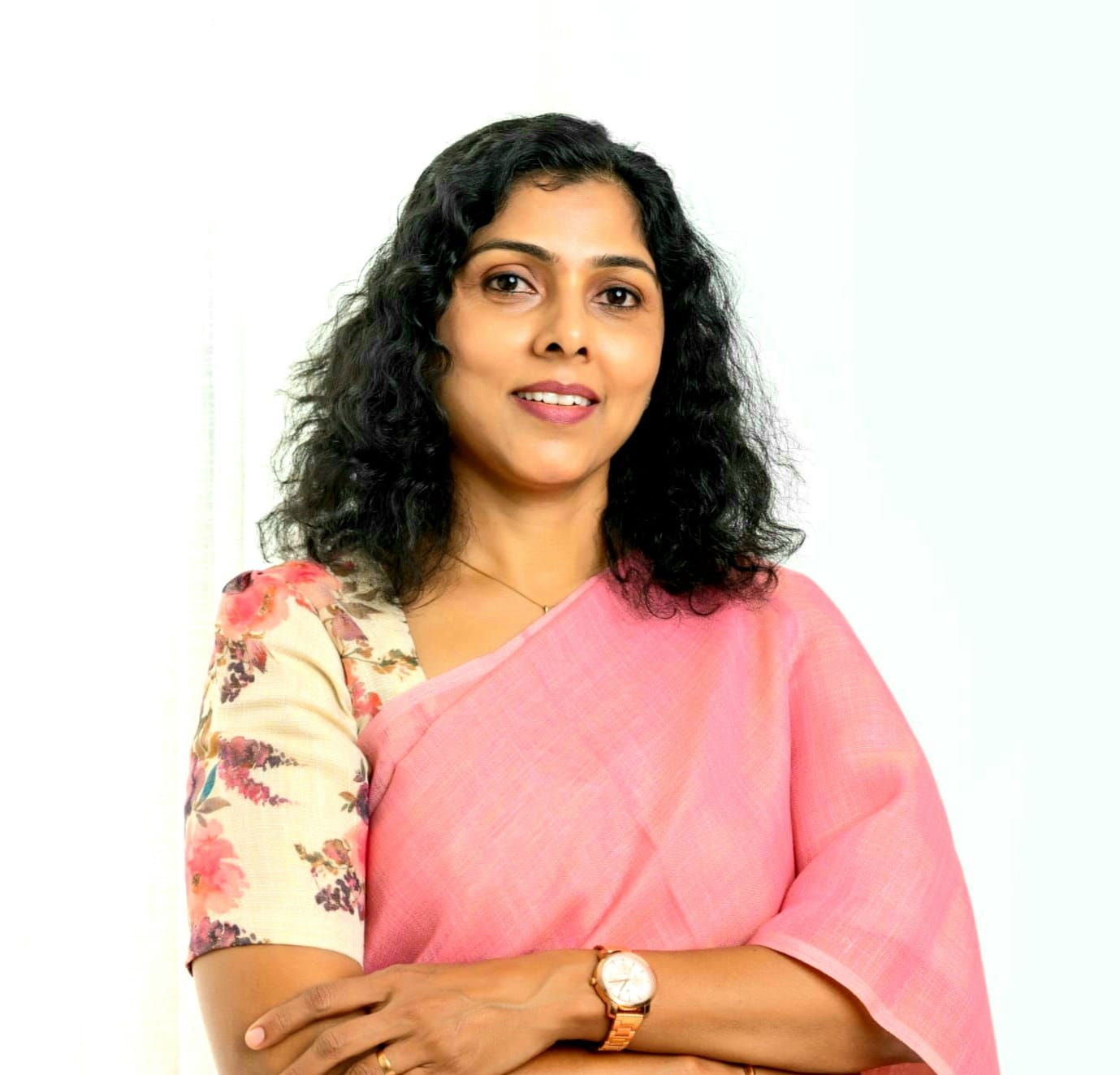
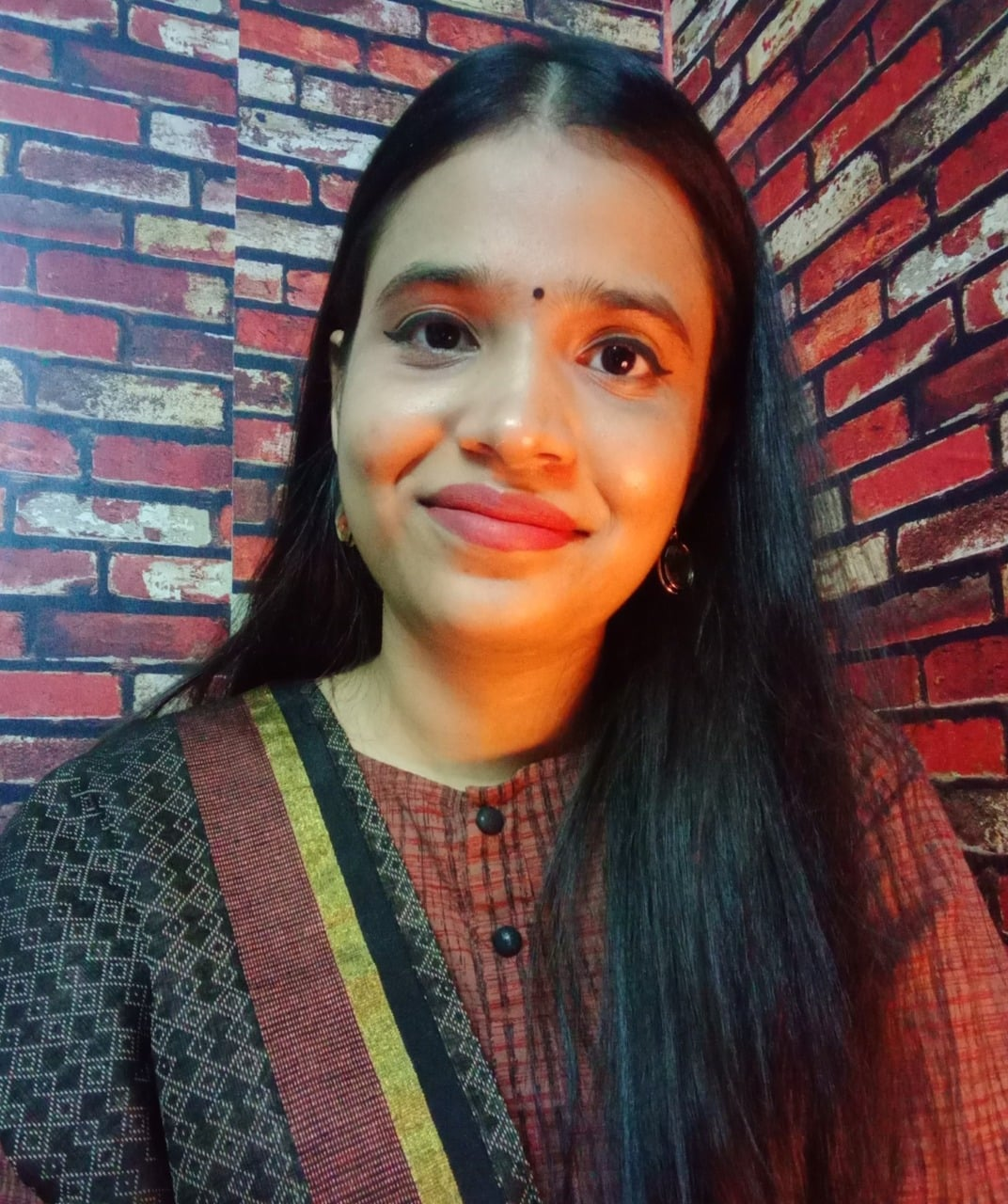
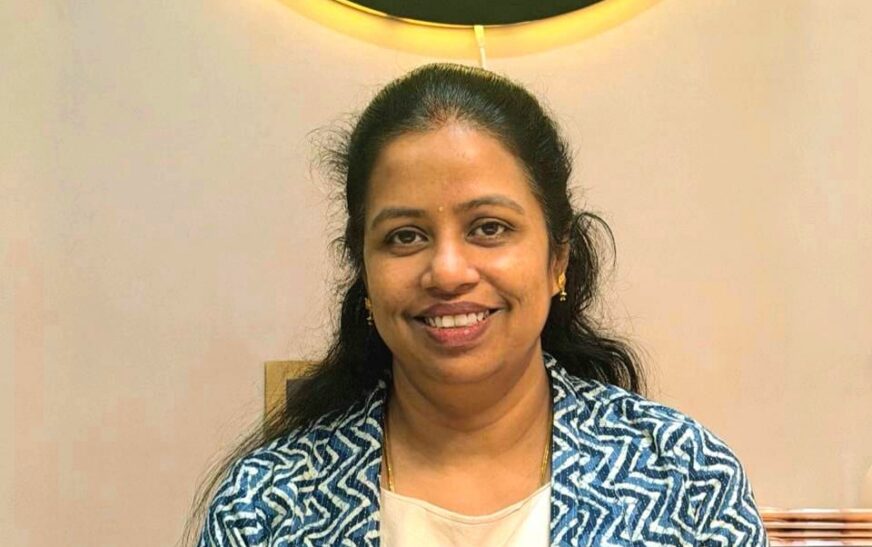
In an exclusive conversation with The Interview World, Dr. Sujaya S N, Co-founder, Surgiderma, discusses the organisation’s defining measure of healthcare success, the principles driving its growth and patient loyalty, the business inflection point that shaped its evolution, and her vision for the next three to five years. Here are the key takeaways from the conversation.
Q: What has been the defining measure of success for Surgiderma?
A: I founded Surgiderma with Dr. Ranganath in January 2012 around a straightforward conviction: ethical, evidence-based care and transparent pricing should not be exceptions in dermatology and plastic surgery. They should be the standard. After eighteen years in practice and having personally cared for nearly 50,000 patients, that conviction has only grown stronger.
For several years, we built Surgiderma steadily as a single-specialty clinic. COVID-19 became a decisive turning point. The pandemic exposed the limitations of relying on one or two specialties and forced us to reconsider how we could serve patients.
That reflection led to our transformation into a multispecialty hospital in 2021. We launched a dedicated aesthetics centre in 2022, followed by expansion in 2026.
Yet, I do not define success by the size of our facility or the number of services we provide. I measure it by what happens after the first consultation. A patient may initially visit us for a skin concern and return years later for an entirely different need. They may also bring a parent, spouse, child or friend. That trust is the strongest evidence of what we have built.
We are now extending the same philosophy into medical weight management and longevity medicine. These areas let us support patients through longer health journeys rather than isolated concerns.
Q: What drives Surgiderma’s growth and patient loyalty?
A: Years of clinical practice revealed a recurring gap. Patients often arrived asking for a particular procedure, while their underlying needs pointed to a completely different intervention or even another specialty.
A patient concerned about hair loss may actually require hormonal or medical evaluation. Similarly, someone seeking an aesthetic procedure may benefit more from a structured, longer-term treatment plan. Dermatology alone cannot always answer the question a patient is truly asking.
Recognising this gap encouraged Dr. Ranganath and me to build an integrated healthcare model rather than remain restricted to our individual specialties. We wanted patients to receive the right clinical answer regardless of which department or service they approached first. The patient’s need had to determine the pathway, not the service catalogue.
That principle is now one of our clearest differentiators. Patients return to us for concerns that may have little connection to their original consultation. They refer family members because they trust us to recommend what is medically appropriate, not commercially convenient.
In a market where many businesses can become centred on individual procedures, our integrated and transparent approach allows us to build relationships instead of transactions. A first-time patient can become a long-term patient, sometimes for decades. That enduring relationship is a major driver of both loyalty and sustainable healthcare growth.
Q: Which key business inflection point has shaped the organisation you have built?
A: Early in my career, I made a decision that has influenced every stage of Surgiderma’s development: patients are people, not tools of business.
The principle sounds obvious, but applying it requires discipline. Healthcare, particularly aesthetics, is increasingly influenced by devices, procedures and social-media-driven demand. Patients may arrive with expectations shaped by trends rather than clinical necessity. The easier commercial decision is not always the right medical decision.
Our response has been consistent: treat what genuinely needs treatment and do not promote what does not. If a patient asks for a procedure that is unnecessary, we tell them so. Saying no may not maximise short-term revenue, but it protects clinical integrity and, over time, strengthens trust.
That restraint became a defining inflection point for Surgiderma. As we evolved from a single-specialty clinic into an integrated hospital, we carried the same standard into every new vertical. Plastic surgery, aesthetics, weight management and longevity medicine must demonstrate genuine and documented medical value for patients; they cannot exist simply because an opportunity appears commercially attractive.
Caring for nearly 50,000 patients has reinforced this approach. People recognise when a recommendation is based on their actual needs. When that trust is established, they return, remain engaged with their care and recommend the organisation to people they value.
Treating patients as people rather than business opportunities has not constrained our growth. It has provided the foundation for it.
Q: What is your vision for Surgiderma over the next three to five years?
A: Over the next three to five years, I want Surgiderma to be recognised not merely as a large hospital, but as a trusted and accessible healthcare destination in North Bengaluru where patients know that recommendations across dermatology, plastic surgery, aesthetics, weight management and longevity medicine are grounded in genuine medical need.
Our immediate growth areas are medical weight management and longevity medicine, which we have recently launched. Over the next twelve to eighteen months, we plan to develop these into comprehensive clinical programmes capable of supporting patients through sustained, structured care rather than isolated interventions.
At the same time, we are strengthening our digital presence and patient-engagement capabilities. Our clinical reputation has been built over many years, but the digital experience must reflect the same standards of trust, accessibility and professionalism. Patients increasingly evaluate healthcare organisations through both clinical interactions and digital touchpoints, so these experiences must remain consistent.
The next phase requires greater organisational maturity. Responsible growth demands a stronger management structure that allows Dr. Ranganath and me to focus on clinical leadership, medical standards and long-term direction rather than day-to-day administration.
I have spent eighteen years learning when to say no to a treatment that is not right for a patient. The next chapter is about building an organisation disciplined enough to apply that same principle to growth: knowing when to pursue an opportunity and, equally importantly, when to decline growth that is not right for Surgiderma.
For us, the objective is not growth for its own sake. It is to build a healthcare organisation that can expand its capabilities without compromising the clinical judgement, transparency and patient trust on which Surgiderma was founded. That is the standard by which we intend to measure the next phase of our journey and our progress.