
In an era marked by information overload and digital noise, the relationship between doctors and patients faces an unprecedented test. The erosion of trust, fuelled by misinformation, fragmented communication, and misplaced expectations, has become a silent crisis within healthcare. In this insightful conversation, our expert unpacks the roots of this “trust deficit,” exploring how empathy, transparency, and informed dialogue can rebuild confidence between caregivers and patients. From the rise of AI-generated content to the ethical boundaries of policy control, the discussion delves deep into how society, governance, and individuals must share responsibility to restore credibility and clarity in healthcare communication.
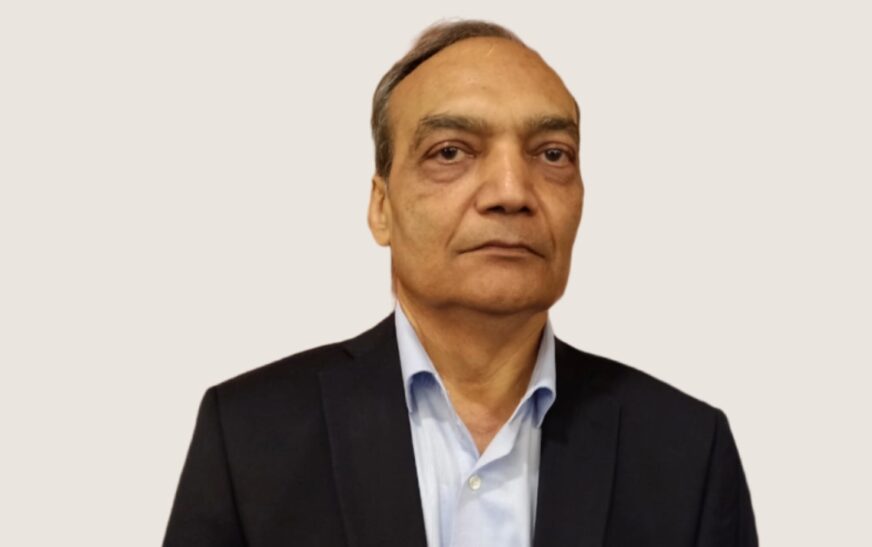
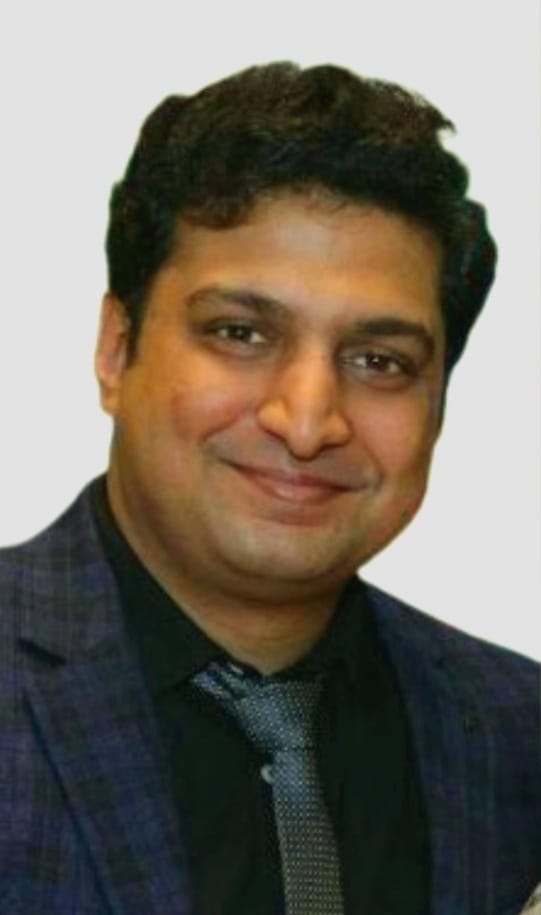
In an exclusive conversation with The Interview World at TIACoN 2025, hosted by the Trusted Information Alliance, Dr. Ashok Mittal, Medical Director of Minimal Access Surgery and Chief Laparoscopic Surgeon at RG Stone Urology & Laparoscopy Hospital, delves into the growing trust deficit between doctors and patients. He explains how this erosion of trust directly impacts patients’ health outcomes and contributes to medical complications.
Dr. Mittal further emphasizes the urgent need to combat misinformation within the healthcare ecosystem through continuous learning and professional training. He underscores that meaningful change begins with individuals through small, consistent actions that collectively strengthen public understanding and foster trust from the ground up.
Drawing from his extensive experience, Dr. Mittal also offers pragmatic, India-specific solutions to bridge these gaps and restore confidence in the healthcare system.
The following are the key insights from his compelling discussion.
Q: What does it mean when we talk about a “trust deficit” between doctors and patients, and how does this lack of trust contribute to complications in patients’ health outcomes?
A: A trust deficit often occurs when a patient arrives at a hospital with certain expectations about a procedure, but reality fails to match that mindset. When this gap emerges, rebuilding trust becomes essential. It begins with honest communication, careful listening, and providing clear, evidence-based information. Patients need to feel heard, respected, and informed, not lectured or dismissed. Trust is restored through dialogue, not dominance; through empathy, not authority. Therefore, healthcare professionals must focus on understanding patient perspectives, clarifying facts with transparency, and avoiding rigid or one-sided approaches that can further alienate those already feeling uncertain or vulnerable.
Q: In the age of AI, vast amounts of synthetic healthcare information are being generated and shared. As misinformation increasingly enters the public domain, how can we effectively identify and eliminate it from the system?
A: It all begins with training, learning how to gather, assess, and interpret information. Throughout history, people have relied on countless sources: parents, teachers, shamans, and medicine men. Misinformation is not a new phenomenon; it has existed for centuries. The difference today lies in speed. With the rise of electronic media and digital platforms, false information spreads faster and reaches farther than ever before. As a result, its impact is more immediate and often more harmful. Yet at its core, misinformation is as old as human thought itself, only the tools of its transmission have evolved.
Q: Recently, China introduced policies requiring that only verified experts in specific domains can share or publish content on social media. Why can’t India consider implementing similar policies to control misinformation?
A: Our governance model differs fundamentally from China’s. India’s approach must remain inclusive, encouraging dialogue rather than control. In this system, the government should articulate its perspectives clearly, support them through credible initiatives, and ensure their widespread communication. However, the government’s efforts in this regard remain limited, while private players often lack the capacity to amplify such messages at scale. Consequently, progress occurs primarily through individual efforts, small but significant steps that collectively shape public understanding and drive change from the ground up.
Q: The presence of mixed viewpoints from various stakeholders who lack expertise in the healthcare domain often leads to confusion and misinformation. How do you view this challenge?
A: You are asking for a change in society’s mindset: a task that unfolds gradually and cannot be achieved by any individual alone. True transformation requires collective will and decisive leadership. Those in positions of authority must lead this change with conviction and urgency. If leadership fails to prioritize it, society will inevitably bear the consequences.
Q: What solutions do you suggest to effectively address the growing challenge of healthcare misinformation?
A: If you refuse to take charge of your own health, you are the one who ultimately suffers. The point is simple: we often shift responsibility to others, the government, the doctor, or the system, expecting them to fix what is within our control. But true accountability lies with each individual. Health begins with personal responsibility, not delegation.




2 Comments
Hey there, I was wondering if you took guest posts on theinterview.world? If so, how would I go about getting one on your site? If there is a fee, let me know.
Also, if you have any other sites you can get me a post on please list them.
Thanks
Justin
Thanks a lot, Justin for reaching out. We are an interview platform; we don’t publish guest posts, rather publish interviews of thought leaders, experts, and CXOs. If you know any one in leadership position in any vertical, please inform us. We will send an appropriate questionnaire to capture her/his insights. Please send an email at editorial@theinterview.world.
Comments are closed.