As India’s economic momentum accelerates, the focus sharpens on the transformative power of tax reforms. The latest wave of next-generation GST reforms has done more than simplify compliance and streamline processes; it has unleashed a powerful surge in consumer demand across industries. From automobiles to everyday essentials, this festive season has seen record-breaking sales, reflecting renewed market confidence and a robust spirit of economic optimism.
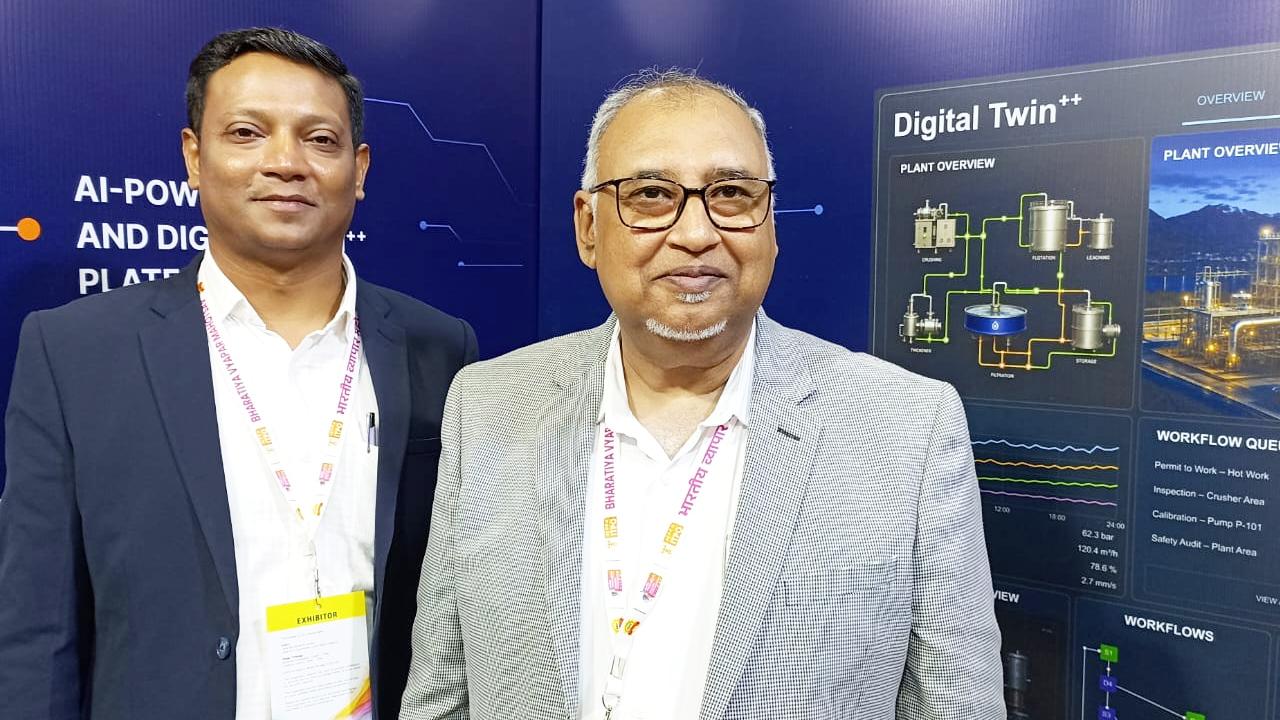
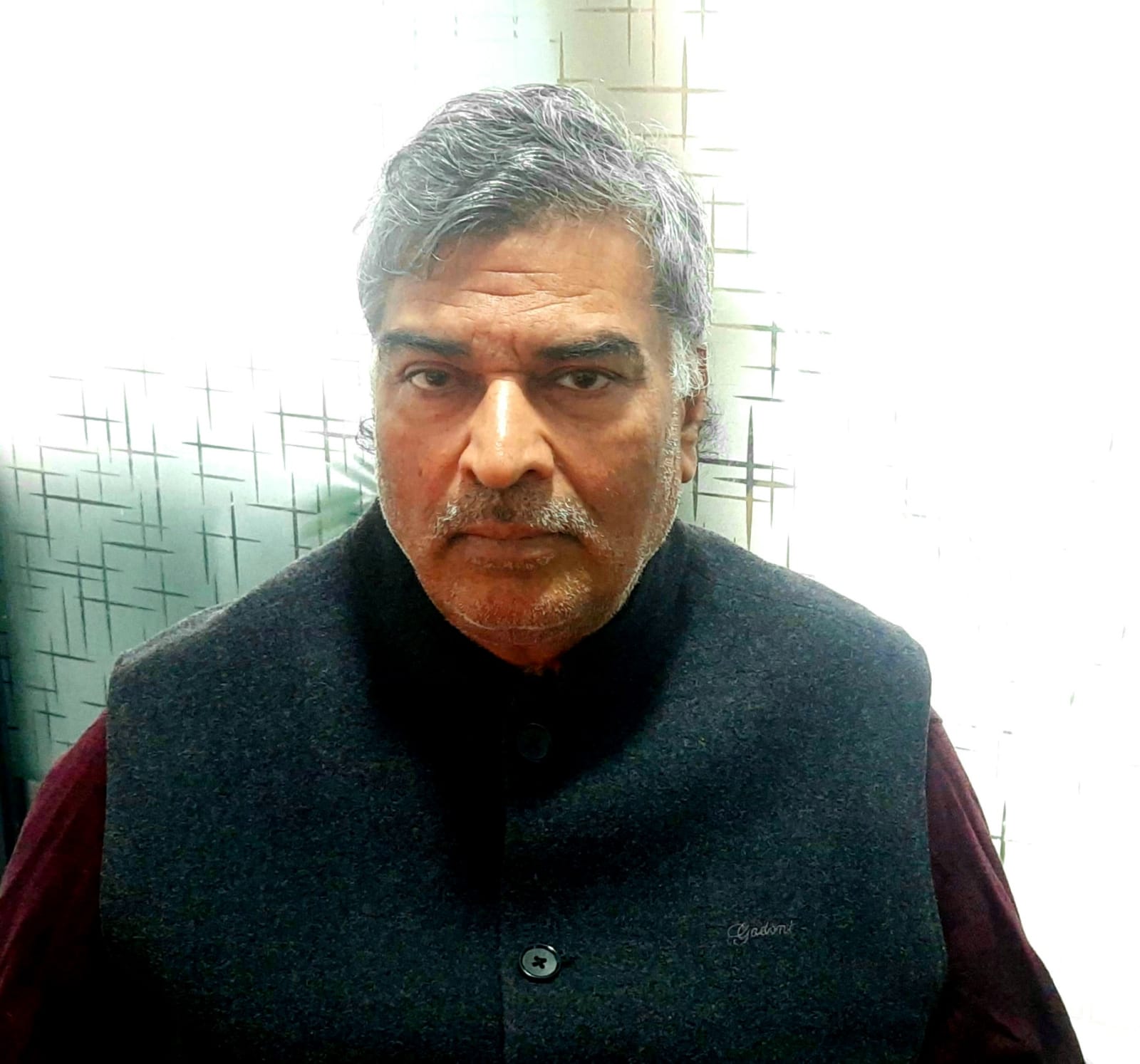
Against this dynamic backdrop, The Interview World engages in an exclusive conversation with Gopal Krishna Agarwal, National Spokesperson for Economic Affairs, Bharatiya Janata Party, at the ET Make in India SME Regional Summit. He discusses how the recent GST reforms are catalysing economic growth, driving demand, and empowering small and medium enterprises (SMEs). Agarwal also sheds light on the government’s efforts to strengthen the SME ecosystem and underscores how regions like Noida are emerging as vital manufacturing hubs in India’s new growth story.
This compelling dialogue reveals how a reimagined GST framework is not only powering India’s economic revival but also propelling the nation toward its ambition of becoming a global manufacturing and economic powerhouse.
Q: How are the recent reforms in GST expected to propel economic growth in the country?
A: If you look at the economic trends during Diwali and after Navaratri, it is clear that the next-generation GST reforms have unleashed a powerful wave of market demand. Sales have surged across every sector and product category, multiplying several times over. The government, meanwhile, is closely monitoring the system to ensure that the benefits of reduced tax rates reach the common consumer. As a result, demand is soaring and sales are rising across the board, from automobiles to everyday essentials, signalling a vibrant, expanding marketplace driven by reform-led confidence.
Q: What has been the market’s response to the recent GST reforms?
A: A recent report revealed that Diwali sales this year surpassed ₹5.43 trillion, an impressive 25 percent jump over last year’s figures. This surge underscores how the GST 2.0 reforms have energized economic activity across the country. By simplifying procedures and addressing issues related to the inverted duty structure, composition schemes, clarifications, and compliance, the government has streamlined the entire taxation framework. As a result, the next-generation GST system has not only enhanced efficiency but also ignited fresh momentum in India’s economic growth.
Q: SMEs are going to be a major driver of economic growth. What initiatives is the government taking to strengthen this sector?
A: The government has launched a series of far-reaching initiatives, ranging from expanding credit access to opening new markets and integrating domestic manufacturing with regional and global supply chains. These measures are reinforcing India’s industrial base and strengthening its competitiveness worldwide. At the same time, the Prime Minister’s call for “Vocal for Local” and the renewed emphasis on Swadeshi are inspiring entrepreneurs and consumers alike, driving a profound shift toward self-reliance and indigenous growth.
Q: Noida is emerging as a major manufacturing hub, with SMEs rapidly expanding their presence. What prospects do you see for Noida’s growth in the coming years?
A: India’s economy is expanding at an exceptional pace, and Uttar Pradesh is emerging as a key driver of this national growth story. Within the state, Noida and Gautam Buddha Nagar are poised to act as powerful catalysts, fuelling industrial expansion, investment, and job creation. The growth chain is clear: Noida propels Uttar Pradesh, Uttar Pradesh propels India, and together they are steering the nation toward its vision of becoming a global economic powerhouse.