


India’s medical oncology has undergone a profound transformation over the last five decades. From its tentative beginnings in the mid-1970s, the field has advanced into a dynamic force driving cancer care and research. Initially constrained by limited research and scarce drug availability, oncology in India accelerated during the 1990s with the arrival of molecular markers, novel therapies, and breakthroughs such as bone marrow transplantation and CAR T-cell therapy.
Today, India not only delivers world-class cancer treatment at a fraction of global costs but also draws patients worldwide who seek excellence without compromise.
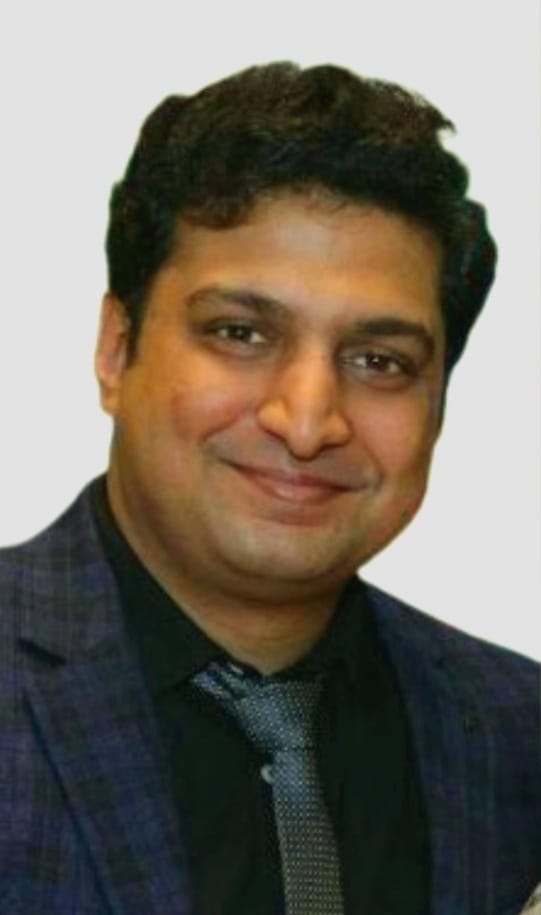
Against this backdrop, The Interview World engaged exclusively with Dr. Anil Kumar Dhar, Director and Head of Medical Oncology at Marengo Asia Hospitals, during Healthcare Horizon 2025, organized by Mediways Foundation and OSVI Healthcare. In this conversation, Dr. Dhar reflects on the evolution of medical oncology in India, evaluates global claims in cancer research, and underscores the rising success rates that are redefining hope for patients.
Here are the key insights from his powerful discussion.
Q: How has the field of medical oncology evolved in India since its inception, and what have been the key milestones along its journey?
A: Medical oncology in India took root in the mid-1970s. For the first 10 to 15 years, however, progress remained painfully slow. Research was scarce, new molecules were rare, and only a handful of drugs were available.
The turning point came in the 1990s. Suddenly, the field surged forward. Intensive research unlocked molecular markers, new drugs entered the pipeline, and innovative therapies began reshaping treatment possibilities. When I joined Tata Memorial Hospital, Mumbai, in the early 1990s, we had barely 10 anticancer drugs at our disposal. Today, the pace is astonishing, nearly 10 new anticancer drugs emerge every single day. That is the scale of transformation we have witnessed.
Equally significant, advances such as bone marrow transplantation and CAR T-cell therapy have revolutionized outcomes. These breakthroughs have not only extended survival but also delivered meaningful cure rates for many cancer patients.
Q: Russia has recently claimed to have developed a vaccine for cancer. How do you view such announcements, and what significance do they hold for the future of cancer treatment?
A: We are awaiting the official scientific papers. Once they are published, we will study them carefully. If the evidence confirms the breakthrough, we will not hesitate to embrace it.
Q: China has made claims about extending human life up to 5,200 years. How do you interpret such assertions, and what perspective should the scientific community and the public take toward them?
A: That is what they claim. However, we prefer to wait until the scientific papers are published.
Q: How do you assess India’s progress in advancing cancer care, both in terms of treatment and affordability?
A: We are performing exceptionally well. International patients are increasingly coming to India for two key reasons. First, the cost of treatment is significantly lower. Second, the quality of care is world-class.
Q: How has the success rate of cancer treatment and curability evolved over the years?
A: As I mentioned at the conference, when I joined Tata Memorial Hospital, only 5 to 10 percent of cancer patients were considered curable. Over time, that figure has risen dramatically. Today, approximately 65 to 70 percent of patients can be cured. This remarkable improvement illustrates the tremendous progress the field has achieved.



1 Comment
I enjoyed your perspective on this topic. Looking forward to more content.
Comments are closed.