


On this World Heart Day, The Interview World presents an illuminating conversation about our body’s most vital organ: the heart. Beating nearly 2.5 billion times over an average lifetime, the heart works relentlessly, sustaining life and linking physical vitality with emotional well-being. In our exclusive interview, leading cardiologists discuss prevention, early detection, lifestyle choices, and advanced treatments, ranging from cholesterol management to heart transplants. They also warn about the rising incidence of heart disease among young people, emphasizing awareness, regular exercise, and a balanced diet. A well-informed, happy heart, they stress, is a truly healthy heart.
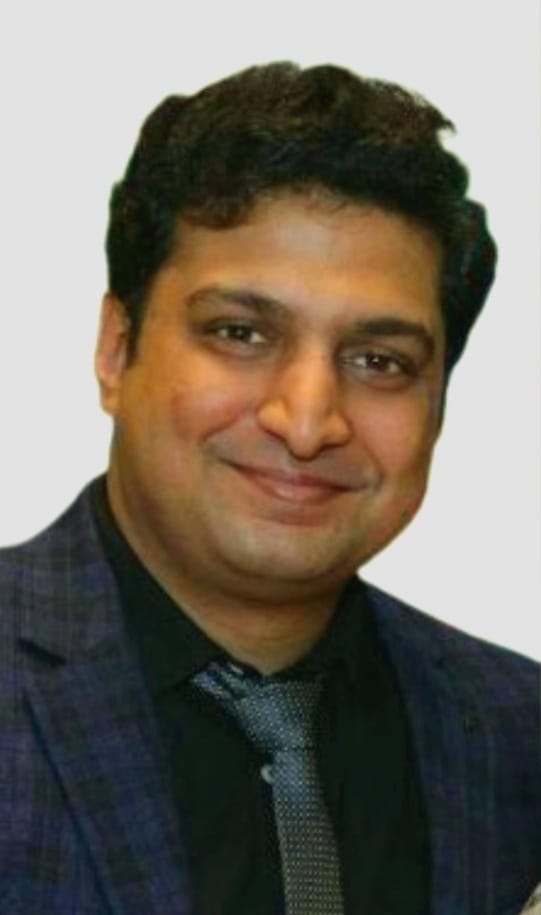
In an in-depth conversation with Dr. S. N. Khanna, Chairperson of Adult Cardiac Surgery at Artemis Hospital, Gurugram, Siddharatha Tiwari, Editor of News Station, explores every facet of heart health, preventive care, awareness, surgery, transplantation, and stress management. Here are the key takeaways from this compelling discussion.
Q: Why is the heart so vital for our health, and what steps should people take to keep it strong and healthy?
A: Our heart beats an astonishing 2.5 billion times over an average lifetime, and it never rests. It never stops. Every beat drives blood and oxygen throughout the body, sustaining life in every organ. Even a brief pause can cause a complete heart block, highlighting how vital its continuous rhythm is. In essence, the heart powers the body. Without it, all organs fail. This relentless, life-giving activity makes the heart not just important, but the most essential organ in the human body.
Q: People say we think with the heart or the mind. Does the heart really think, or only the mind?
A: The heart does not think, yet emotions profoundly affect it. We often speak of understanding matters “from the heart,” reflecting the deep connection between feelings and cardiac health. Modern research confirms this link: people experiencing depression, chronic stress, or agitation face a significantly higher risk of heart attacks. Heart and brain health are closely intertwined, an attack on the brain can trigger a stroke or paralysis, while an attack on the heart leads to a cardiac crisis. This powerful connection underscores a simple truth: a happy heart is a healthy heart. Cultivating joy is not just emotional, it is essential for life itself.
Q: If someone suddenly collapses while walking and appears lifeless, why does this happen, and what immediate help should be given?
A: I’ll answer this in two parts. First, it’s important to distinguish between cardiac arrest and a heart attack. Cardiac arrest occurs when the heart stops beating, whereas a heart attack does not. These are two very different conditions. In Western countries like Europe and the U.S., people are trained to respond immediately: performing CPR, chest compressions, and mouth-to-mouth ventilation on the street. Such knowledge can save countless lives, highlighting the critical importance of public awareness.
The second part is prevention. Three key factors are essential for protecting heart health. First, exercise, it is the best doctor. Second, diet: eating right makes a huge difference. Third, awareness: many patients come for bypass surgery unaware they have severe diabetes, sometimes with blood sugar levels of 400–500. At that stage, significant damage to the heart and brain may already have occurred.
Regular checkups can prevent such crises. Simple tests like HbA1c (which shows average blood sugar over three months), a lipid profile (covering all cholesterol levels), and an echocardiogram (to detect major heart abnormalities) are enough to monitor heart health. As the saying goes, it is better to spend Rs. 500 on preventive tests than Rs. 5 lakh on treatment later.
Q: What is cholesterol, how do good and bad types affect the heart, and what foods help manage cholesterol effectively?
A: Cholesterol is essentially fat in the body, but not all cholesterol is harmful. In fact, the body has five main types. High-density lipoprotein (HDL) is the “good” cholesterol that protects the heart, and regular exercise helps raise it. Low-density lipoprotein (LDL), on the other hand, is harmful. High levels lead to arterial blockages. Very-low-density lipoprotein (VLDL), triglycerides, and certain amino acids together make up total cholesterol. Ideally, HDL should be high, while LDL should remain low to safeguard heart health.
Diet plays a crucial role in managing cholesterol. Certain foods, often called the “four white poisons,” can be particularly damaging. First, sugar found in sweets and desserts is harmful even for those without diabetes. Second, fat, especially saturated fat from non-vegetarian, fried, and junk foods, increases risk. Third, refined flour, and fourth, excess salt, can all compromise heart health. Avoiding these and prioritizing green vegetables, salads, and fruits helps maintain a healthy heart and brain.
Q: If chest pain, sweating, and restlessness occur while traveling, without medicines available, is it cardiac arrest, attack, or failure?
A: Not all chest pain indicates cardiac arrest, heart attack, or heart failure, it could be heart-related or something else entirely. For example, if you are on a moving train, tests like CPK-MB or Troponin I for a heart attack cannot be performed immediately. However, high-risk individuals, those with a family history of early heart disease, high cholesterol, diabetes, high blood pressure, or advanced age, should always carry medications like Sorbitrate and aspirin. In an emergency, a high-risk patient can take an aspirin tablet immediately. If only an insoluble tablet is available, dissolve it in water before consuming. Routine checkups with a doctor usually prevent such emergencies.
It is important to understand the differences between cardiac conditions. Cardiac arrest occurs when the heart stops beating entirely. A heart attack happens when blood flow to one or more arteries is blocked, causing part of the heart muscle to start dying. The first four hours are the “golden time,” during which reaching a hospital is critical for survival.
Heart failure, on the other hand, develops after multiple heart attacks or when the heart weakens and can no longer pump effectively. This leads to symptoms like shortness of breath and fatigue. Each of these conditions, cardiac arrest, heart attack, and heart failure, has distinct causes, mechanisms, and treatments. Understanding these differences can save lives.
Q: What is the process of heart transplant, and during the four-hour golden period after a heart attack, what actions matter?
A: If someone suffers a cardiac arrest—when the heart stops—immediate action is critical. Administer CPR, including mouth-to-mouth breathing, and call an ambulance without delay. Every second counts. If a person experiences chest pain, they should head to the hospital immediately and start first aid as soon as possible. When treatment begins within the first four hours, the “golden window”, permanent heart damage can be largely prevented, and the heart’s function preserved. Delaying care, however, can lead to irreversible damage, emphasizing the urgency of rapid medical response.
Q: If someone’s heart completely stops functioning, is heart transplant the solution, and how is this procedure actually carried out?
A: Today, cardiac care has advanced significantly, offering multiple life-saving options. First, there is the Left Ventricular Assist Device (LVAD), and second, the heart transplant. While a heart transplant remains the ideal solution, the scarcity of donor hearts makes it challenging. In fact, India has the longest heart transplant waiting list in the world, making access to donor hearts extremely limited.
In a heart transplant, a heart from a brain-dead donor is surgically placed into the recipient. However, because the wait for a donor can be long, the LVAD has emerged as a crucial alternative. This device, implanted to support the left ventricle, effectively sustains heart function and can extend a patient’s life by 15–20 years.
Importantly, the LVAD does more than buy time. It functions almost like a normal heart, keeping patients stable until a donor heart becomes available. Even if a transplant is never possible, the device provides long-term support, significantly improving both survival and quality of life.
Q: Heart transplant is a complex world; specifically in India, how successful are these procedures, and what factors influence their outcomes?
A: The transplant procedure itself is not highly complex. However, the critical challenge lies in donor compatibility. When a compatible heart is identified and delivered on time, the success rate is excellent. The real difficulty is locating the right heart and ensuring it reaches the recipient promptly. Equally important is managing compatibility to prevent rejection after the operation. Contrary to common perception, heart transplants are achievable, relatively straightforward, and carry a high likelihood of success.
Q: When a person’s arteries become blocked, what treatment options are available, and how do you decide the right approach?
A: As I mentioned, diabetes and cholesterol should be checked at least once a year. For individuals over 40 or with a family history, testing may need to begin earlier. After 40, a CT scan of the heart, known as CT coronary angiography, becomes essential. This ensures that even if serious issues arise, which can sometimes occur at a younger age, we have a clear understanding and can prevent sudden, unexpected events.
Q: Recently, many young people are suddenly dying from heart failure. What possible medical, lifestyle, or environmental reasons explain this trend?
A: Yes, it is unfortunate. India has become the world capital of heart attacks, and this surge in heart disease is largely preventable up to 99% of cases. Even when genetics play a role, a healthy lifestyle can control the risk to a significant extent. Alarmingly, heart attacks are increasingly common among young people.
Thirty to forty years ago, women were largely protected from heart attacks until menopause, after which their risk gradually matched that of men. Today, both men and women are experiencing heart attacks at much younger ages. The primary reasons are lifestyle-related. First, physical inactivity is widespread from childhood. Children spend more time on mobile and video games, while outdoor play has drastically declined. Second, poor diet, including junk food, contributes heavily. Third, most modern jobs are sedentary, which carries a risk equivalent to smoking 20–30 cigarettes a day. Combined, these factors drive the rising incidence of heart attacks.
The good news is that awareness and lifestyle interventions can prevent most cases. If risk factors are managed, heart attacks can be largely avoided.
Even children are now facing heart problems. Many of these are congenital heart diseases. conditions present from birth. Contributing factors include late marriages, maternal health issues, smoking, and modern lifestyle changes. While concerning, most of these conditions are manageable with proper medical care and timely intervention.
Q: Considering stress impacts heart health, what nationwide advice or strategies can we share to help everyone maintain a healthy heart?
A: There are four key pillars of heart health, and all are equally important. Think of it like a table: it has four legs. If even one leg is weak, the table cannot stand, no matter how strong the others are. Similarly, neglecting any one of these four pillars undermines overall health.
The first pillar is exercise. This includes any form of physical activity: sports, brisk walking, yoga, or treadmill workouts. Consistent movement strengthens the heart and body. The second is diet. Your plate determines your health. Excess sugar, fat, or salt can be harmful, while a balanced diet rich in fruits, vegetables, and whole foods protects the heart.
The third pillar is mental well-being. Staying calm, managing stress, and cultivating a peaceful mind are essential for long-term health. The fourth is awareness. Regular checkups, timely screenings, and knowing your blood sugar, cholesterol, and other vital parameters ensure early detection and prevention.
In short, daily exercise is non-negotiable. Eat three to five servings of fruits, plenty of green vegetables, and avoid the “white poisons” like refined sugar and flour. Keep your mind calm, stay mindful of your health, and maintain regular medical checkups. Follow all four pillars consistently, and the risk of heart problems drops dramatically.






1 Comment
I’ve read similar posts, but yours stood out for its clarity.
Comments are closed.