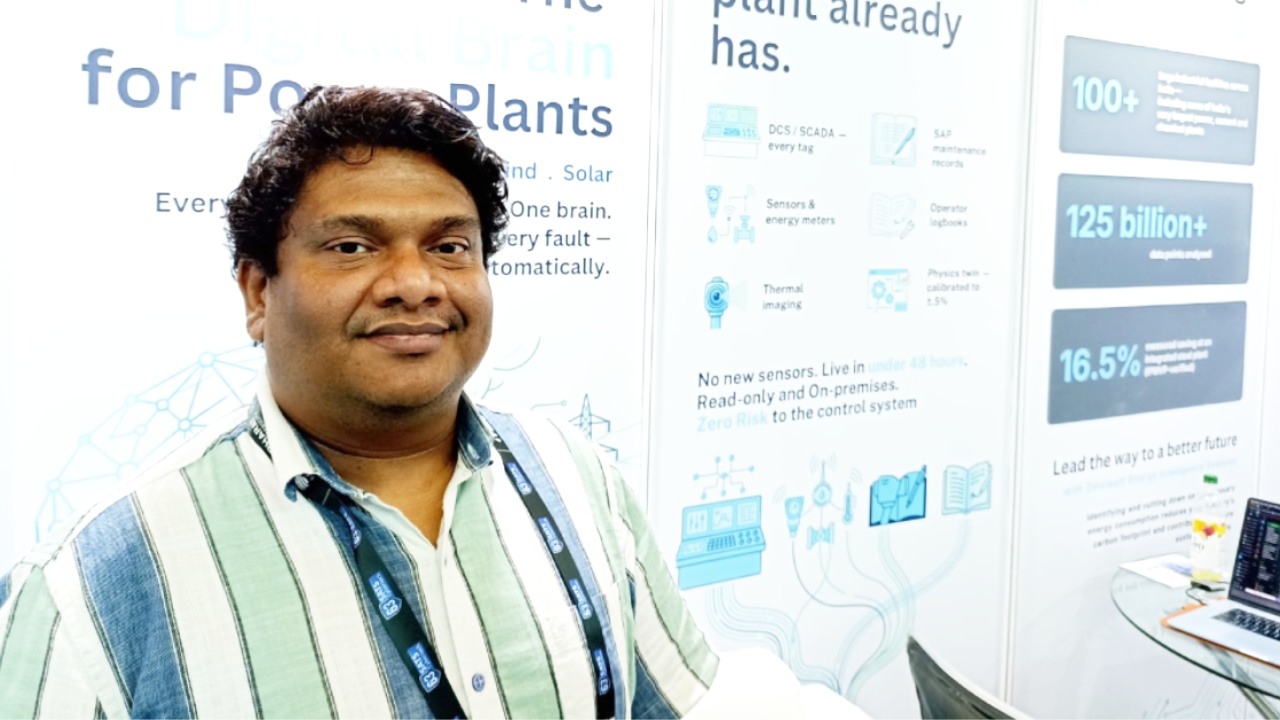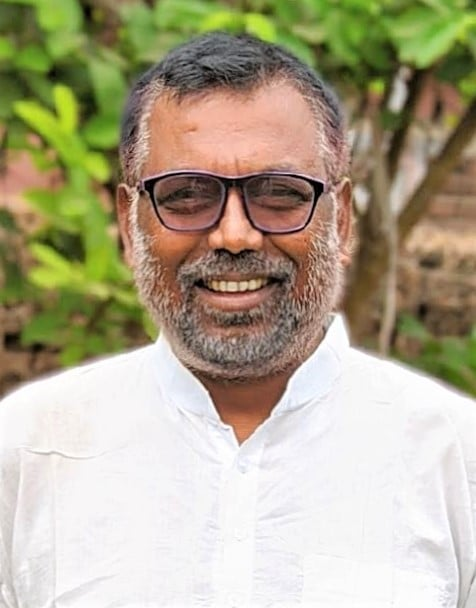

Dilip Deshmukh, a relentless social activist from Kutch, Gujarat, has spent over five years transforming organ donation awareness in India. His mission ignited after a life-changing liver transplant in July 2020, through which he overcame severe health challenges. Since then, he has forged strategic alliances with hospitals, nursing and Ayurvedic colleges, community organizations, and village councils, educating and inspiring people about the life-saving power of organ donation. His message is unequivocal: a single brain-dead donor can save seven to eight lives. Driven by a vision that extends beyond Gujarat, Dilip aims to reshape societal perceptions of organ donation across India and eventually around the world.
In an exclusive conversation with The Interview World during Healthcare Horizon 2025, hosted by Mediways Foundation and OSVI Healthcare, Dilip Deshmukh, Head of the Organ Donation Charitable Trust, shared how a personal, transformative experience motivated him to dedicate his life to this cause. He discussed government initiatives, highlighted public response, and emphasized the urgent importance of organ donation. Here are the key insights from his compelling conversation.
Q: Can you share the experience that transformed you into a passionate advocate for organ donation?
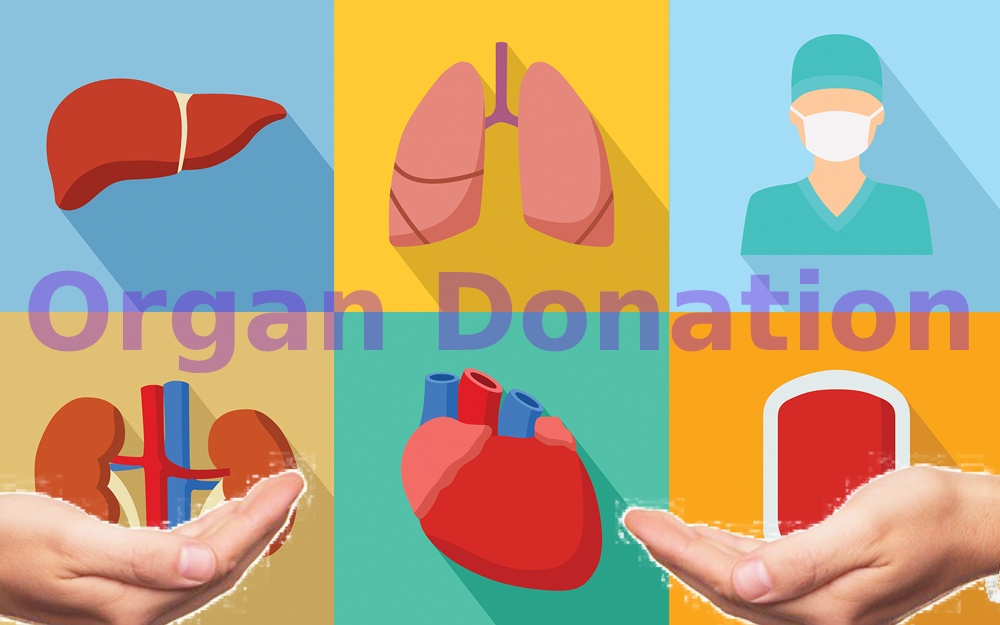
A: Let me begin with a deeply personal experience that changed my life. On 10th July 2020, I underwent a liver transplant. At that time, I was essentially living on borrowed time, and doctors told me I was a “death on table” case. That day, I received a liver through cadaver donation. A 24-year-old young man had tragically died in an accident. From his organs, I received a liver, a young woman received a heart, and two others received kidneys. Through a single act of organ donation, four lives were saved.
Since 2020, I have devoted myself entirely to promoting organ donation. I travel across Gujarat to raise awareness, visiting medical, nursing, Ayurvedic, physiotherapy, and homeopathic colleges, as well as community and village councils. I have also extended my campaigns to religious sites such as Somnath, Ambaji, and Chamunda Mataji temples, where I conduct large-scale awareness programs.
Over the past five to six years, my team and I have made remarkable progress. We have distributed approximately 10 lakh magazines and conducted around 5,000 awareness programs of varying scale, steadily changing public perception. Five years ago, when a patient was declared brain dead in civil hospitals across Gujarat, only about 20% of families consented to organ donation after counselling. Today, that figure has risen to 60–70%.
For example, in Ahmedabad Civil Hospital, 710 people have received organ donations out of 213 declared brain-dead cases, giving hundreds of people a new lease on life. Skin and eye donations are also growing; 24 people have donated skin, and more than 100 have donated eyes. In Surat Civil Hospital, 78 organ donations have been made, benefiting over 250 recipients. Beyond urban centers, organ donation has also begun in remote areas such as Bhuj, Adipur, Junagadh, Jamnagar, and Anand, demonstrating that this life-saving practice is spreading steadily across Gujarat.
Q: What key message would you like to share with society about the importance of organ donation?
A: The message is simple but powerful: if your family, friends, or relatives are declared brain dead, you can encourage organ donation. A single donor can give new life to seven to eight people. Our religious scriptures also emphasize the virtue of saving lives, reinforcing that this act aligns with spiritual values. Today, more than 5 lakh people in India are waiting for a second chance at life, hoping for an organ donation. While you may not be able to save your loved one in the case of brain death, saying “yes” to organ donation can save multiple lives and offer a new lease on life to those who need it the most.
Q: What kind of support does the government provide for organ donation?
A: Organ donors do not incur any expenses, and recipients also receive organs at no cost. The only financial consideration is the cost of the transplant or surgery itself. In Gujarat, government support further reduces this burden. Through the Ayushman Bharat scheme, kidney and liver transplants are nearly free. For patients from the SC/ST community, operations, including heart, liver, or other major procedures—are completely free. Additionally, children under 18 benefit from the Gujarat Child Health Program, which covers all medical procedures for minors at no cost.
Q: How has the public responded to your advocacy, and what do you think causes hesitation around organ donation?
A: People hesitate to donate organs for two main reasons. The first is religious concerns, and the second is a lack of trust in doctors or the system. When people are assured that their organs will never be sold and will go directly to those who need them most, these doubts naturally disappear. Once trust is established, society will wholeheartedly embrace organ donation. Over the past five to six years, my experience with organ donation has been overwhelmingly positive. Hardly anyone has refused to support this life-saving cause when properly informed.