

Sehgal Foundation is reshaping the narrative of rural India: one village, one family, one life at a time. Driven by purpose, this nonprofit works hand in hand with communities to spark enduring change where it matters most: water, agriculture, education, and governance.
The Foundation’s impact is both practical and transformative. It builds and revives water systems that sustain entire regions. It empowers farmers with the tools and knowledge to thrive, not merely survive. It reimagines schools as safe, vibrant spaces where children learn, grow, and dream. And it strengthens local governance, giving communities not just a voice but also the power to act.
With a presence across Haryana, Rajasthan, Punjab, Telangana, and Uttar Pradesh, Sehgal Foundation is more than an organization. It is a catalyst for dignity, security, and prosperity. Its work proves a simple truth: when rural people are empowered, nations move forward.
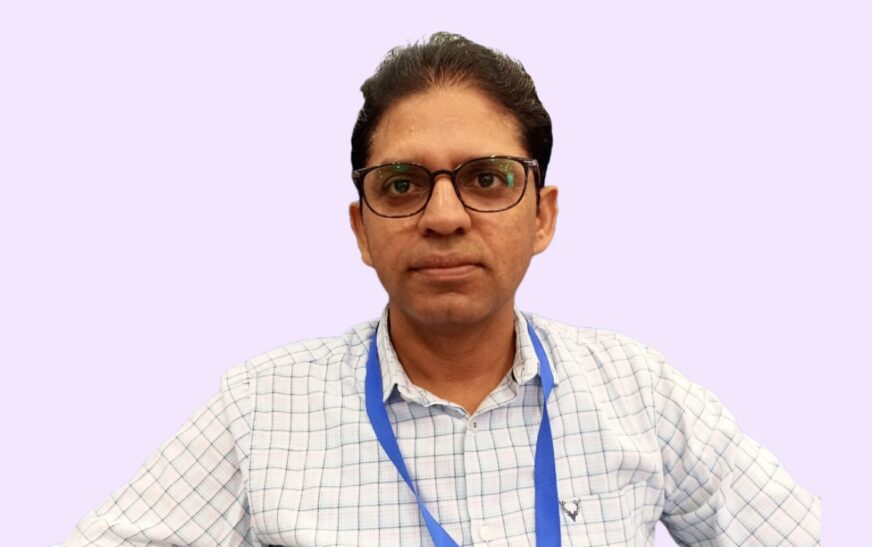
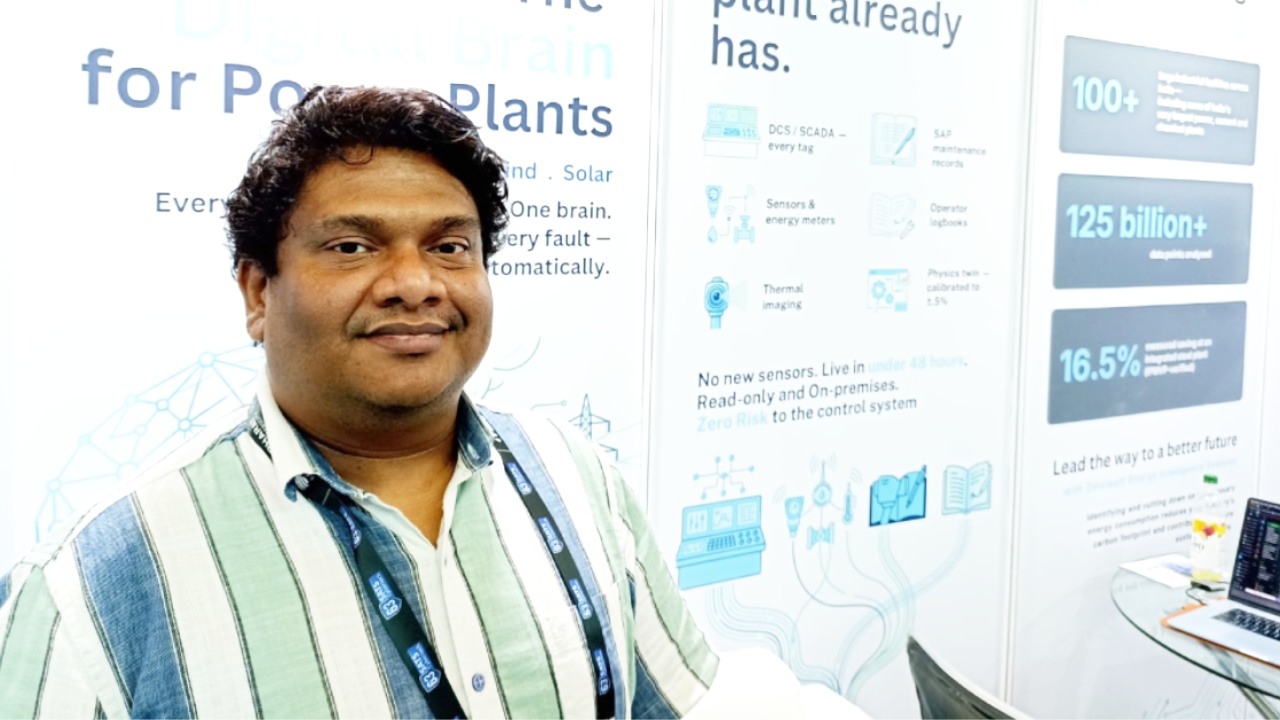
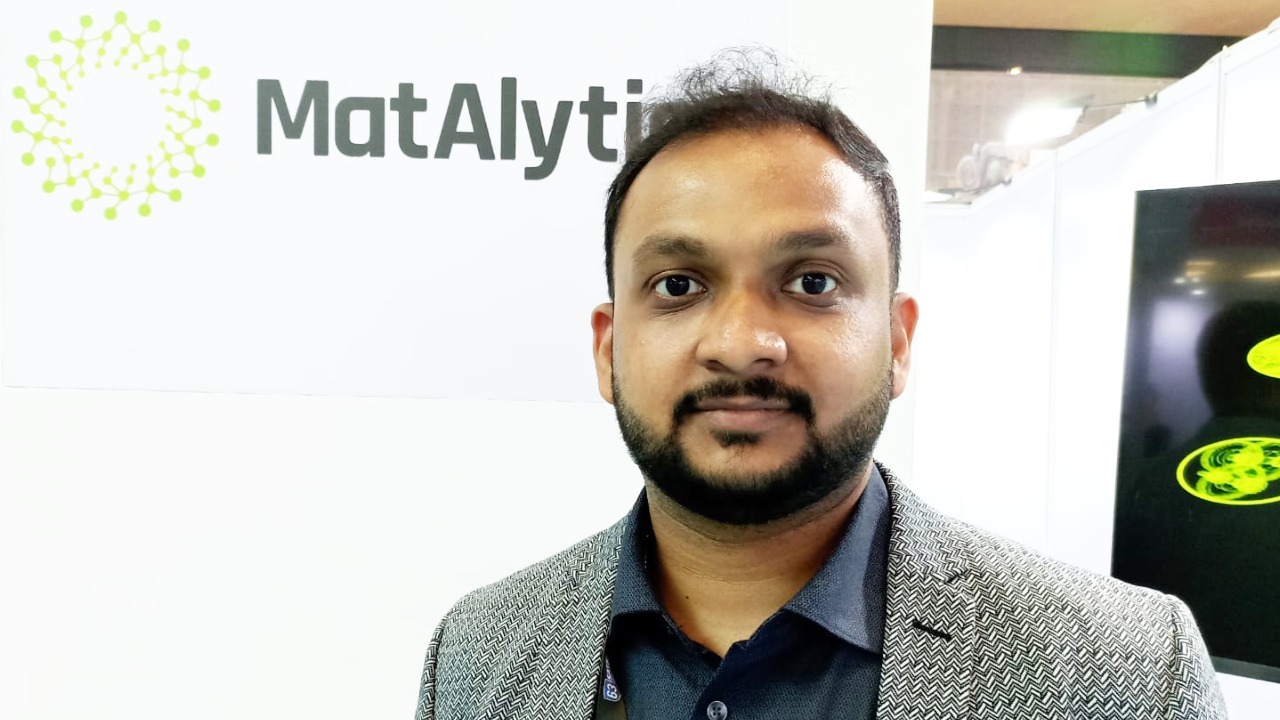
At SPRINT North Edition 2025, hosted by IIT Ropar and iHub–AWaDH, The Interview World engaged in an exclusive conversation with Salahuddin Saiphy, Principal Lead, Water Management at Sehgal Foundation. He shed light on the innovative water management solutions his team has pioneered, the tangible impact these programs deliver on the ground, the technologies the Foundation aims to develop over the next five to ten years, and his vision for pan-India expansion.
What follows are the key takeaways from this compelling exchange.
Q: Could you elaborate on the innovative water management solutions that Sehgal Foundation is implementing to benefit society?
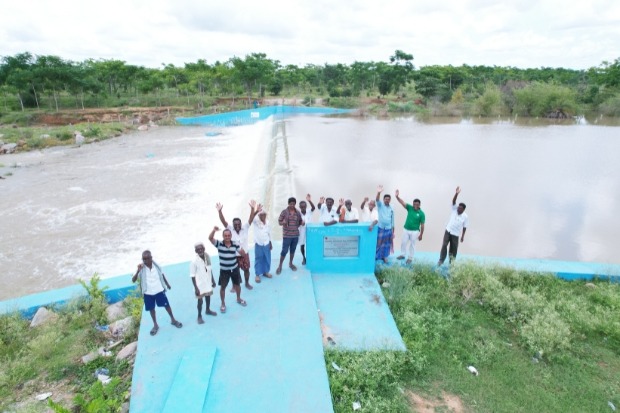
A: We focus our work in rural India to improve lives, and water management stands as one of Sehgal Foundation’s most critical domains. Our efforts address the full spectrum of water challenges, beginning with availability. We construct check dams, ponds, tanks, and other watershed interventions that recharge groundwater: the primary source of water for both domestic use and agriculture in rural communities.
At the same time, we confront the growing challenge of wastewater. With the Jal Jeevan Mission expanding household water connections, supply has improved significantly. Yet the increased usage often results in wastewater flowing into nearby ponds and water bodies, contaminating and polluting them. To address this, we encourage households to adopt soak pits that filter wastewater and allow it to percolate safely into the ground, rather than accumulating on streets or roads.
Beyond households, we implement nature-based, community-level wastewater management systems. These decentralized solutions combine septic tanks, baffled reactors, aerobic and anaerobic treatments, and planted filter beds. The process transforms wastewater into water of sufficient quality to be reused productively, particularly for agriculture.
One such pilot project in Pinangwan village, Nuh district, Haryana, is set to irrigate 60 to 100 acres of farmland once fully operational after the monsoon, in time for the next Rabi season.
We also advance access to safe drinking water. At the household level, we promote low-cost treatment systems such as biosand filters, ceramic pot filters, and other practical solutions. These not only improve water quality but also help families maintain safe standards before consumption.
Together, these initiatives, spanning availability, treatment, reuse, and safe consumption, demonstrate how Sehgal Foundation’s integrated approach to water management creates sustainable change in rural communities.
Q: Could you share the tangible impact these projects have had at the community level?
A: Sehgal Foundation began its journey in 1999, and this year proudly marked its 25th anniversary. Over the past quarter century, the Foundation has dedicated itself to strengthening rural communities. Today, its footprint spans 13 states, 74 districts, and more than 3,000 villages, directly touching the lives of over 5.7 million people across project locations.
At the heart of this work lies a commitment to improving water availability, a transformation that converts barren land into cultivable fields and ensures reliable irrigation for farming families. These water interventions have brought tangible benefits, from household-level filtration systems to large-scale solutions that sustain agriculture.
Beyond water, the Foundation partners with farmers to enhance productivity and resilience. It delivers the best package of practices, promotes farm mechanization, advances soil health management, and introduces a range of innovative interventions tailored to local needs.
Together, these efforts not only secure livelihoods but also build pathways to dignity, prosperity, and long-term sustainability in rural India.
Q: Do you have plans over the next 5 to 10 years to develop new technologies for community-based water management?
A: All our innovations arise directly from community needs. Take the example of soak pits, which we have been constructing for over two decades. Some have functioned since as early as 2003. Yet, we observed a recurring problem: most eventually became dysfunctional. The reason was simple: lack of timely cleaning and maintenance.
Traditionally, cleaning required people to remove sludge, soap scum, and other muck manually, often using buckets or tumblers. The process was messy, unpleasant, and discouraging. As a result, many households avoided it altogether, and the soak pits failed over time.
To solve this, we redesigned and automated the soak pit system. We introduced gate valves that allow easy cleaning. By simply turning a key, users can flush out accumulated waste, close the valve, and immediately restore the system.
This small but significant innovation has extended the life of soak pits and eliminated the biggest barrier—maintenance. It has transformed a cumbersome chore into a quick, practical solution, ensuring that the structures remain functional for years.
Q: How do you envision expanding your operations pan-India in the coming years?
A: We already operate in 13 states across North, West, and South India. While we have not yet established a presence in the Northeast, expansion remains a priority. As opportunities and partnerships emerge, the organization is poised to extend its reach, including into additional states in North India.


2 Comments
You explained it in such a relatable way. Well done!
I’ll be sharing this with a few friends.
Comments are closed.