

Himachal Pradesh, long hailed as India’s fruit bowl, now stands at a decisive crossroads. Its orchards overflow with apples, stone fruits, and subtropical harvests, yet the true challenge lies not in growing abundance but in preserving it. Natural disasters, fragile road networks, and restricted market access often trap farmers with produce they cannot sell.
Against this backdrop, cold storage emerges not as a luxury but as a lifeline. More importantly, solar-powered, farm-gate storage units and government-backed interventions are beginning to shift the narrative. They are transforming moments of crisis into avenues of opportunity and setting resilience as the new standard for farmers’ prosperity.
In an exclusive conversation with The Interview World at REFCOLD India Expo 2025, Vinay Singh, Director, Department of Horticulture, Government of Himachal Pradesh, shared how these innovations are reshaping the future of horticulture in the state. What follows are his compelling insights.
Q: How will Himachal Pradesh, a leading horticulture producer, strengthen its cold storage ecosystem to benefit farmers and boost profitability?
A: Himachal Pradesh is a leading horticulture state, and we have already built nearly one lakh metric tonnes of cold storage capacity. Yet, the demand far exceeds supply. This year’s natural disasters exposed the gap starkly, damaged roads and broken connectivity left much of the produce stranded in fields. Instead of reaching markets, entire harvests remained stuck at the farm level. In many cases, farmers simply could not move their crops because the markets were inaccessible.
The problem worsens because most large cold storage facilities sit near city centers. When landslides or blockages disrupt roads almost every few kilometers, it becomes uneconomical for farmers to transport their produce to these distant hubs.
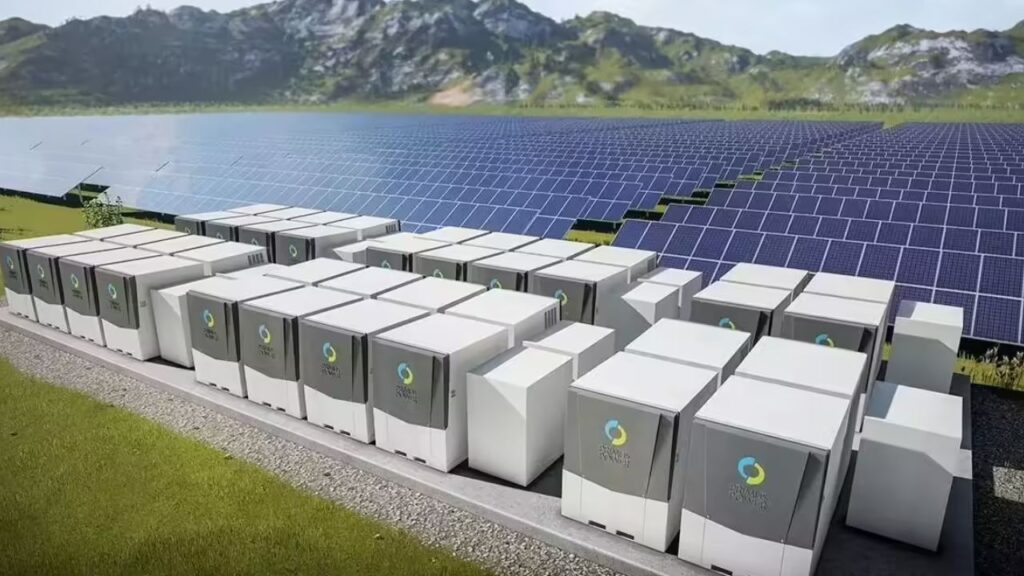
To bridge this gap, the Himachal government signed an MoU with Energy Efficiency Services Limited, a Government of India PSU. Under this scheme, a 10-metric-tonne solar-powered cold storage unit costs ₹20 lakh, with 50% subsidized by the Government of India. This leaves farmers to contribute ₹9–10 lakh to install storage units right at the farm gate.
The response has been overwhelmingly positive. Farmers, having witnessed the devastation of recent disasters, now see these units as essential. And given the fragile state of infrastructure, it is unlikely that the situation will improve significantly in the next few years, making localized, solar-driven storage not just a solution, but a necessity.
Q: What cold storage solutions can safeguard farmers’ produce and livelihoods during natural disasters and supply chain disruptions?
A: In the wake of recurring natural disasters, we must empower farmers directly at the farm gate. They need storage facilities on their own land so they can release produce to the market only when demand arises. By enabling storage for two, three, or even four months, farmers gain protection against disruptions, whether from road blockades, supply-chain breakdowns, or volatile prices. With such control, they can hold their harvest safely at the farm level and release it strategically, precisely when buyers and companies need it most.
Q: How will solar energy play a pivotal role in transforming agriculture, cold storage, and sustainable growth for farmers?
A: Solar-powered cold storage has received an encouraging response. Each unit comes with a 48-hour backup and a five-year warranty, ensuring reliability even in difficult conditions. In hilly and remote regions, where natural disasters frequently disrupt power, this backup becomes indispensable. Moreover, solar energy makes the system virtually cost-free to operate.
Under the scheme, each unit costs about ₹16–18 lakh. Farmers contribute ₹8–9 lakh, while the Government of India provides the remaining amount as subsidy. This balanced model has already proven attractive, and early adoption suggests it could become a game-changer for farmers in disaster-prone areas.
Q: What is the current number of cold storages, and what deficit exists compared to the actual requirement, in your view?
A: Himachal Pradesh currently operates 36 cold storage facilities, with a combined capacity of one lakh metric tonnes across both public and private sectors. However, production is set to rise sharply. Through the Asian Development Bank–funded project, apple cultivation and subtropical fruit production are both expanding. Within the next two to three years, total output is expected to reach nearly 10 lakh metric tonnes. To handle this surge, the state will require far more than the existing one lakh metric tonne cold storage capacity.