

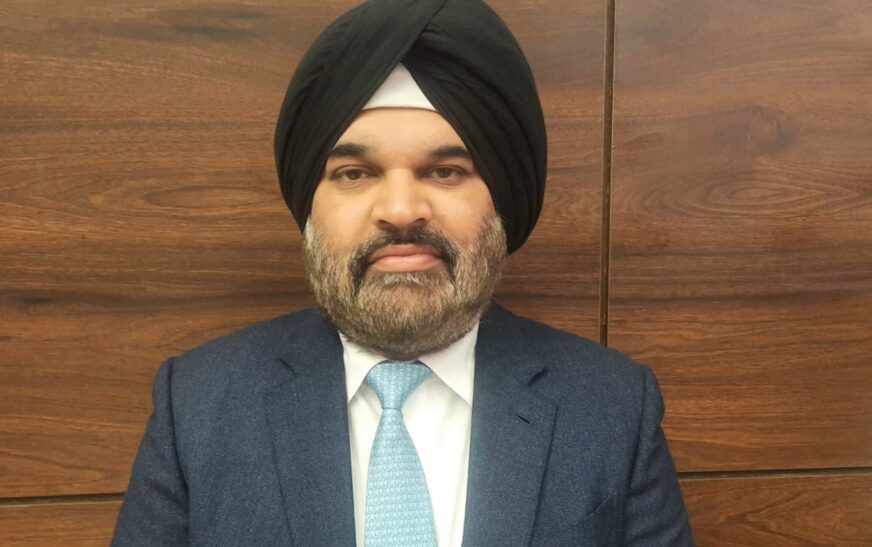
India’s senior living sector is no longer confined to the fringes. It is steadily evolving into a recognized industry with transformative potential. A decisive moment arrived with the Maharashtra Housing Policy 2025, which formally acknowledged senior living as an independent segment and introduced incentives capable of accelerating growth. Yet, the reality remains sobering. Penetration in India stands at just 1.4%, far below the 7–15% seen in developed nations.
The demand curve tells a different story. By 2030, India will require an estimated 2.3 million senior living units, unlocking an $8 billion market opportunity. However, this growth cannot rest on real estate developers alone. It demands an ecosystem: service providers, trained caregivers, and enabling policies. Moreover, community engagement, preventive healthcare, and regulatory reforms such as GST relief will play a decisive role in shaping the future of eldercare in the country.
It is in this context that The Interview World engaged in an exclusive dialogue with Karan Singh Sodi, Senior Managing Director, JLL India, at the Curtain Raiser Press Meet of the 6th ASLI Aging Fest. In this conversation, he unpacks the trajectory of the senior living segment post-COVID, outlines the amenities most vital for elderly well-being, and projects the sector’s growth through 2030. He also places India’s senior living and caregiving landscape in sharp contrast with global benchmarks.
What follows are the most compelling insights from his conversation.
Q: How do you see the elderly living segment evolving in the country, and what key insights does your report highlight about this transformation?
A: The senior living sector, once viewed as a niche, is now emerging as a full-fledged industry. A major milestone came in July with the Maharashtra Housing Policy 2025, which officially recognized senior living as an independent segment within housing. The incentives introduced under this policy are set to accelerate momentum, creating a more favourable environment for growth.
This recognition is not just symbolic. It has the potential to reshape the sector’s trajectory. Other state governments must take note and replicate such measures, because demand already exists. Today, penetration in India stands at a mere 1.4%, far below the global benchmarks. To capture this untapped market, we need robust incentives, not only for developers but also for caregivers, operators, and service providers who complete the ecosystem.
Q: In the post-COVID landscape, how do you see this segment emerging, and what significant changes have you observed since then?
A: Before COVID-19, market penetration in India’s senior living segment stood at less than 1%. Today, it has inched up to 1.4%. By 2030, projections suggest it could rise to 2.1%, a modest but significant shift on the real estate front.
However, this growth cannot happen in isolation. With the right policy interventions, the pace can accelerate meaningfully. Measures such as GST relief, reverse mortgage options, and other enabling frameworks will not only support developers but also create confidence among consumers. If the government intensifies its efforts, this segment has the potential to expand far faster than current estimates suggest.
Q: What specific amenities are most essential for elderly living, and how are developers adapting their projects to meet these needs?
A: In senior living, builders alone cannot define success. Service providers play the more crucial role. Developers may construct, sell, and exit, but operators sustain the ecosystem. Their responsibility goes far beyond infrastructure. They focus on preventive healthcare through daily checkups, while also ensuring community engagement. The essence of senior living lies in creating vibrant communities, where residents remain physically active, mentally stimulated, and socially connected.
Q: How do you envision the size and growth of the elderly living market in the next five to ten years, particularly by 2030?
A: By 2030, India’s senior living sector faces a stark supply-demand gap. The current supply stands at roughly 30,000 units, yet projected demand soars to 2.3 million. This mismatch underscores the scale of opportunity ahead. If addressed, the sector could unlock a market valuation of nearly $8 billion by the end of 2030.
Q: How does the Indian senior living and caregiving market compare with that of developed countries?
A: Developed countries set a clear benchmark. In New Zealand, senior living penetration stands at 14–15%. In the United States, it is around 7%. India, by contrast, lags far behind at just 1.4%. The gap is undeniable, and the race to catch up has only just begun.






1 Comment
I am now not sure the place you’re getting your info, but great topic. I must spend a while learning much more or working out more. Thanks for fantastic info I used to be in search of this information for my mission.
Comments are closed.