
The All India Poultry Breeders Association (AIPBA), a leading non-governmental industry body, drives self-reliance in Indian poultry production while raising its standards to meet global benchmarks. It champions the interests of poultry and livestock farmers through robust advocacy and strategic engagement.
Recently, AIPBA secured a significant policy win—convincing the central government to approve soybean meal imports, a critical raw material for feed production. This achievement not only stabilized feed supply but also reinforced the association’s influence in shaping sectoral policies. Through such interventions, AIPBA cements its role as a decisive force in advancing India’s poultry ecosystem.
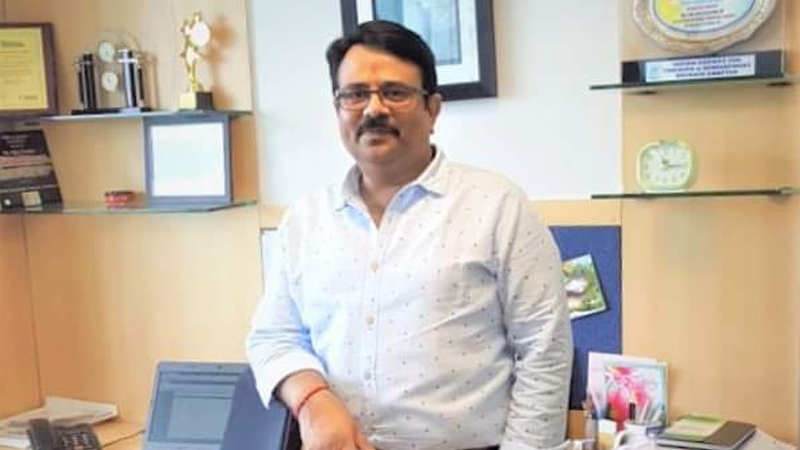
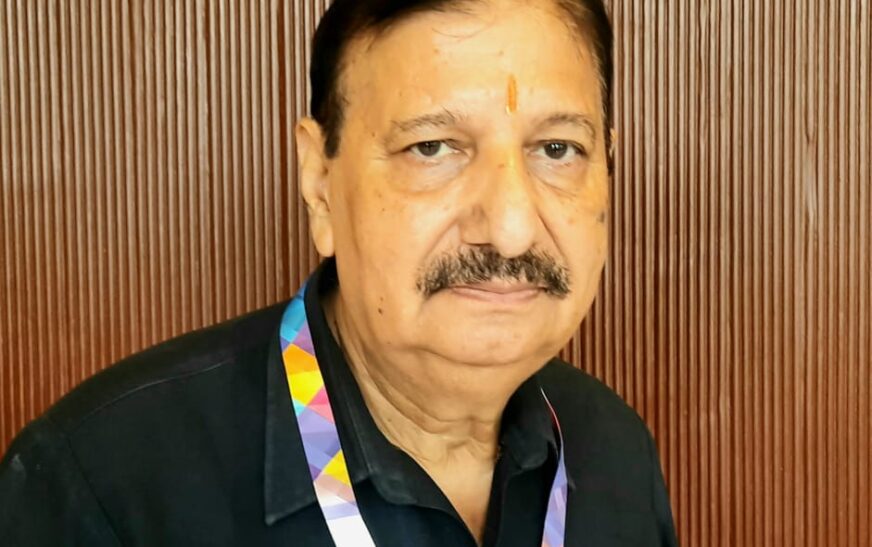
At the Global Food Processing Annual Summit, hosted by the Knowledge Chamber of Commerce and Industry, The Interview World sat down with Dr. A.K. Rajput, Executive Director of All India Poultry Exporters Association and Indian Egg Processors Association, for an in-depth discussion. Dr. Rajput outlined the association’s mission and core functions, offered a comprehensive view of the poultry industry’s scale and socio-economic impact, and emphasized the urgent need to promote processed chicken.
He also addressed public concerns on pesticide residues in chicken, clarifying the facts with scientific precision. Furthermore, he detailed the initiatives AIPBA has launched to formalize and professionalize the industry—creating a stronger, more resilient sector.
Here are the most compelling insights from that conversation.
Q: Could you elaborate on the core objectives and key functions of the All India Poultry Breeders Association, and how it contributes to the growth and regulation of the poultry industry in India?
A: We monitor every government policy affecting the poultry industry. When challenges arise, we take them directly to the authorities. In essence, we serve as the vital link—bridging the industry with policymakers and ensuring that government directives reach every corner of the sector.
Q: How large is the poultry industry in India in terms of scale and economic impact, and what are the primary challenges the AIPBA is currently addressing?
A: The poultry industry in India operates in two distinct segments—eggs and chicken. The egg sector functions independently, while my focus lies primarily on the chicken industry. This segment alone represents a massive value chain worth approximately ₹1,50,000 crore, encompassing both direct and indirect contributions.
The industry’s impact extends far beyond poultry farms. A vast network of suppliers and farmers depends on it for their livelihoods. Feed accounts for nearly 80% of total production costs, and its raw materials—primarily maize and soybean—come directly from Indian farmers. Across the country, thousands of maize and soybean growers supply this essential input.
Even the byproducts are utilized with remarkable efficiency. For instance, soybean cakes, left over after oil extraction, are transformed into high-quality poultry feed. Without this value addition, they would simply go to waste. The industry, therefore, not only sustains a major economic ecosystem but also drives agricultural linkages and resource efficiency on a national scale.
Q: What is the rationale behind your demand for promoting processed chicken in India, and how would this shift benefit consumers?
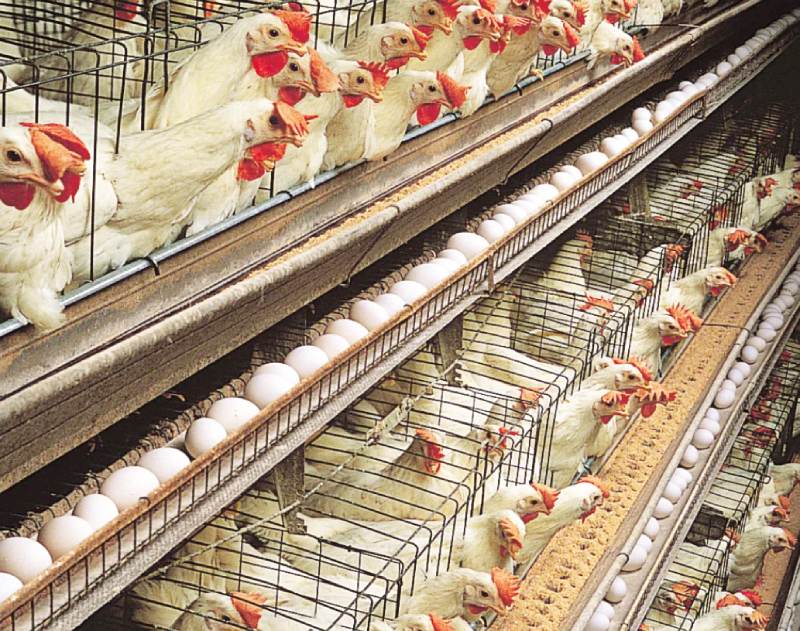
A: Processing chicken delivers multi-fold benefits—for the industry, consumers, and even intermediaries. Today, nearly 95% of our market still operates as a wet industry. In major cities, live birds are brought in and dressed on-site. This practice generates nearly 30% waste—offal such as intestines—which our disposal systems struggle to manage. These waste products, left untreated, become breeding grounds for bacteria and viruses within urban areas.
Processing at dedicated facilities changes the equation entirely. Instead of creating a public health hazard, these byproducts can be recycled through rendering plants and converted into valuable poultry feed ingredients. This not only eliminates the problem but turns waste into a resource.
For consumers, the advantages are equally compelling. Processed chicken is handled hygienically, offering a clean, safe product. It occupies less space, is easier to store, and is readily available in general retail outlets—removing the need to visit wet markets. As a result, many who avoid traditional poultry shops would be more willing to purchase chicken, much like any other packaged food commodity.
By shifting towards processing, we strengthen food safety, improve waste management, enhance consumer convenience, and expand market reach—all in one decisive move.
Q: There are growing concerns about the presence of pesticide residues in chicken, which could pose serious health risks to consumers. What is your perspective on this issue, and how is the industry addressing such concerns?
A: Poultry farmers do not use pesticides in chicken feed or in raising chickens. Public apprehensions on this issue are largely unfounded. If traces ever appear, they originate from crops like maize or soybean purchased from farmers who may have used pesticides during cultivation. In such cases, the residue enters indirectly through the broader food chain—not from any direct application by the poultry industry.
The same holds true for antibiotics. In the past, their use was widespread. Today, however, the industry has moved decisively away from that practice. Vaccination-based prevention, coupled with stringent biosecurity measures, has sharply reduced the need for antibiotics and antibacterial agents.
As a result, the chicken reaching consumers today is not only safe but also raised under far more controlled, hygienic, and responsible conditions than ever before.
Q: Has your organization undertaken any initiatives to formalize and regulate the poultry industry?
A: The poultry sector is undergoing a structural shift. Across India, contract farming has become the dominant model. Here, large companies produce the feed, supply day-old chicks to farmers, and then buy back the fully grown birds—paying farmers for their rearing services.
This system brings significant advantages. Big companies can afford top-tier feed specialists, fully equipped laboratories, and qualified veterinarians. They extend these resources to contract farmers at no cost—because the birds remain the company’s property.
When a company produces, say, 10 million chickens a week, it invests heavily in their health and welfare. The result is consistent quality, healthier birds, and a more efficient, professionally managed production chain.