

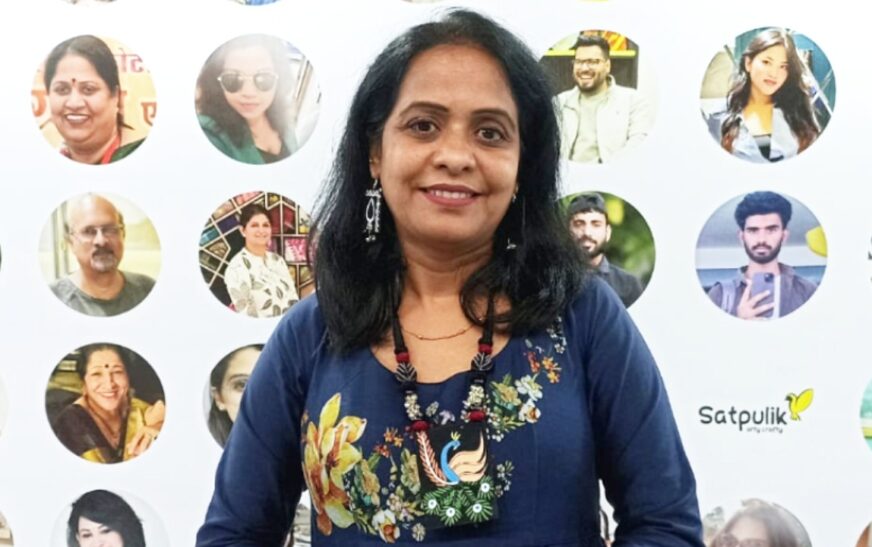
Exhobuzz Pvt. Ltd. stands as a premier force in the exhibition industry, backed by over a decade of experience and a remarkable journey from a proprietorship to a thriving private limited company. Over the years, it has built a formidable network—partnering with more than 250 corporates, 200+ design houses, 10,000+ families, prominent public figures, and multiple government bodies. This expansive ecosystem reflects the company’s credibility and reach. Exhobuzz has successfully curated five major exhibitions, each reinforcing its reputation for excellence. Among these, The Haat of Art emerges as a standout achievement. This flagship event brought together over 2,000 exhibitors, drew a crowd exceeding 40,000 visitors, and spanned an impressive 53,000+ sq. ft. of exhibition space. It has since earned distinction as India’s largest chain of art exhibitions—a testament to Exhobuzz’s mastery in orchestrating large-scale, impactful events.
Building on this momentum, the company is now preparing for its next ambitious venture—Wedding Glanza. Scheduled for launch in Mumbai in October 2025, this grand showcase will spotlight the wedding industry on a national scale. Expansion plans are already in motion, with upcoming editions slated for Delhi, Bengaluru, Jaipur, and Indore.
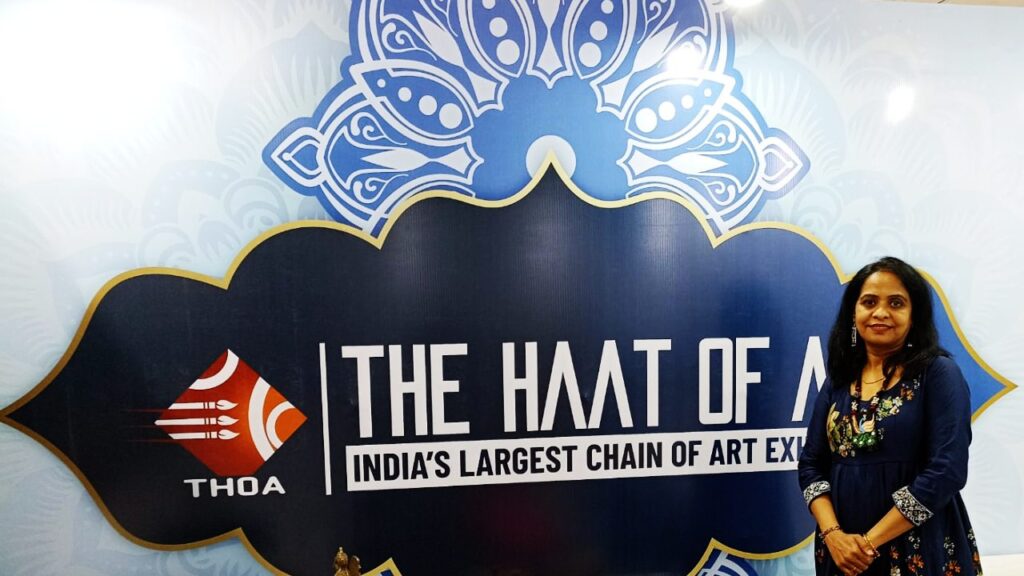
At The Haat of Art, in an exclusive interaction with The Interview World, Jyoti Yadav, Founder and Director of Exhobuzz Pvt. Ltd., opened up about the inspiration that sparked the inception of The Haat of Art. She shared valuable insights into the metrics behind the Delhi edition, outlined her roadmap for global expansion, and reflected on the overwhelming response from participants and attendees alike. More importantly, she articulated a bold long-term vision that promises to reshape the exhibition landscape.
Here are the key highlights from her compelling and forward-looking conversation.
Q: What inspired you to start The Haat of Art, and how did your journey begin? Additionally, how do you envision transforming art into a more integral and influential part of our cultural fabric through this venture?
A: The story behind The Haat of Art began with a simple walk in the park. One day, my husband and I were strolling through a quiet green space when we noticed an artist displaying his paintings on the ground. Drawn by curiosity, I approached him for a conversation. He was differently abled, yet his spirit radiated strength.
I asked him, “What do you gain by selling your artwork here—in an open space, on the bare ground?” His answer was simple yet profound: “This is my livelihood.”
That moment stayed with me. His words revealed a deeper truth—how incredibly difficult it is for artists, especially those with disabilities, to find a dignified, accessible platform to showcase their talent. But it wasn’t just about him. I realized that even able-bodied artists struggle to find space in established galleries or art shows. The barriers are many—stringent selection processes, long waiting lists, high entry costs. Many give up their artistic pursuits altogether, not for lack of talent, but for lack of opportunity.
That conversation planted a seed.
We envisioned a platform where artists—regardless of background or ability—could come together to exhibit their work on a grand scale. A space that welcomed everyone. A space where art could be seen, celebrated, and sold. Where audiences could discover talent, and artists could thrive.
And that’s how The Haat of Art was born—a vibrant confluence of creativity, community, and commerce.
Q: How many artists are participating in the Delhi edition of The Haat of Art?
A: The Haat of Art brings together a diverse collective of 170 talented artists, showcasing over 3,000 unique artworks under one roof. From mythological themes to abstract expressions and home décor pieces, the exhibition spans a rich spectrum of artistic styles. There’s something for every taste—whether you’re a seasoned collector or a casual admirer.
This wide-ranging collection ensures that every visitor finds something that resonates. With so many choices, attendees can explore, appreciate, and purchase artworks that speak to their personal aesthetic.
To draw audiences, we launch robust promotional campaigns across newspapers, radio, digital platforms, and other media channels. These efforts have helped us build strong visibility and drive consistent footfall.
Now in its fourth edition, The Haat of Art has firmly etched its place in Delhi’s cultural landscape. It has become a go-to destination for art lovers who return to our exhibitions year after year—proof that we’re not just curating shows; we’re nurturing a movement.
Q: Have you ventured into international platforms, or do you have plans to take The Haat of Art global in the future?
A: While we do have plans for international events, our current focus is on building a strong, connected community of artists across India. So far, around 4,000 artists have exhibited with us over the past three years. Beyond that, we’ve established touchpoints with over 45,000 artists through various channels. Yet, in a country where over 4 crore artists exist, our journey has only just begun.
To bridge this vast gap, we’re developing a digital ecosystem—a dedicated online platform that empowers artists, regardless of location. Whether they’re based in a metro city or a remote village, every artist will soon have the opportunity to showcase and sell their work through our upcoming e-commerce portal. Accessibility, visibility, and inclusivity are at the heart of this initiative.
Once we’ve consolidated this national network and curated a collection of globally competitive artworks, we’ll move forward with our international expansion. But our vision isn’t merely about exporting Indian art abroad. Instead, it’s about reigniting domestic appreciation for our rich artistic heritage.
Much like the government’s Make in India and Skill India campaigns, we believe the first step is to instill pride and value for Indian art within our own population. That’s where we are investing most of our energy—building a thriving, self-sustaining art market within India.
After all, we are the world’s largest population. We don’t need to chase international markets—global companies already see the immense potential in ours. Our goal is clear: to make India the foremost marketplace for Indian art and artists.
Q: What kind of response have you received from international audiences at The Haat of Art, and how do they engage with the artworks and the overall cultural experience?
A: While we haven’t formally opened our platform to international artists yet, we’ve already seen organic global interest. In our recent editions, artists from countries like Russia, Qatar, and the UAE participated voluntarily—traveling to India to showcase and sell their work. This speaks volumes about India’s growing reputation as a vibrant and promising art market.
Clearly, international artists recognize the opportunity here. They’re eager to engage with Indian audiences. However, we’ve been intentional in our approach.
Our platform remains focused, for now, on empowering Indian artists. That’s a conscious choice—because our vision begins at home. We aim to uplift and create opportunities for Indian talent first, building a strong foundation before expanding outward.
India comes first in our mission—and everything else will follow in due course.
Q: What is your vision for the growth and evolution of your organization over the next five to ten years?
A: Without a doubt, we envision The Haat of Art becoming the world’s largest platform dedicated to art. That’s the direction we’re actively pursuing—with focus, ambition, and strategy. Simply put, we aspire to be the Amazon of the art world—a global hub where artists and art lovers seamlessly connect, discover, and thrive.



1 Comment
You made some excellent points here. Well done!
Comments are closed.