

India’s senior population has already crossed 150 million, about 11% of the nation’s total. By 2050, that number will more than double to 347 million, or nearly one in every five Indians. This demographic is not merely growing in size; it is transforming in character. Today’s seniors are more financially secure, technologically adept, and aspirational. They seek wellness-oriented lifestyles, intellectually engaging activities, spiritual fulfilment, and well-structured financial and succession planning.
The financial markets mirror this evolution. Retirement-focused instruments have surged. Mutual funds, for instance, grew 226% in just five years, while private sector NPS assets are expanding at a comparable pace and are poised to cross ₹9.12 lakh crore. These numbers confirm the substantial financial muscle of India’s elderly.
Unsurprisingly, the senior care industry is fast emerging as a formidable business opportunity. Analysts project it will scale to USD 50 billion by 2030, expanding at nearly 20% CAGR. Within this, the senior living segment alone could touch USD 8 billion. Confidence runs high, 85–90% of industry leaders plan to invest and expand, signalling a vibrant future for senior-focused products and services in India.
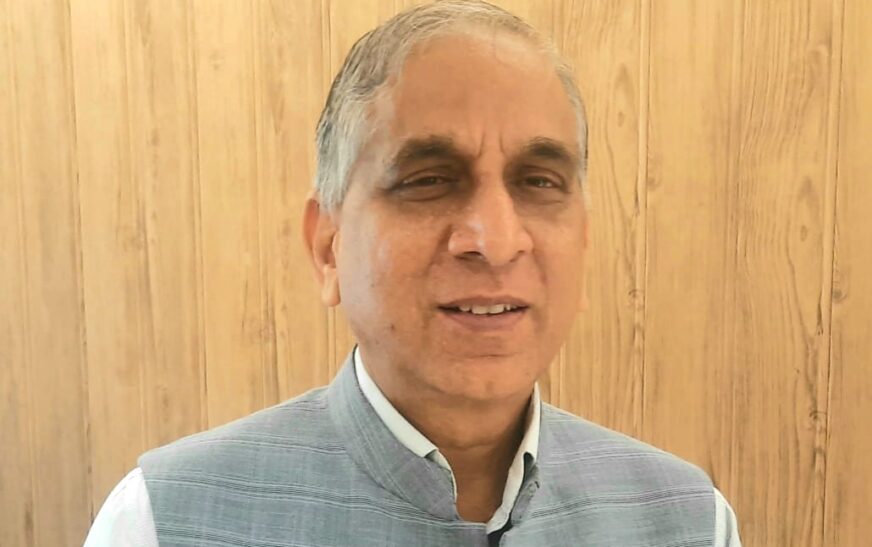
Against this backdrop, The Interview World engaged in an exclusive conversation with Amit Yadav, Secretary, Ministry of Social Justice & Empowerment, Government of India, at the Curtain Raiser Press Meet of the 6th ASLI Aging Fest. Yadav outlined the Ministry’s key initiatives and programs designed to enhance the lives of senior citizens. He highlighted health insurance schemes, detailed welfare programs targeting rural elderly populations, and elaborated on livelihood and employment opportunities tailored for rural seniors.
What follows are the most compelling takeaways from his conversation. Insights that reveal not only the government’s vision but also the emerging contours of India’s senior care landscape.
Q: What key initiatives and programs has the Ministry of Social Justice & Empowerment introduced to support the life of senior citizens in India?
A: India already has 150 million senior citizens, nearly 11% of its population. In the next 25 years, that number will more than double. This demographic shift demands urgent and comprehensive attention. The government is deeply engaged, examining the issue from multiple dimensions.
One dimension is senior living and senior care, which ASLI represents. Yet, the challenge is far broader. At its core lies the healthcare sector, which is central to this transformation. Modern science and technology have extended longevity, allowing people to live longer than ever before. But longer lives bring new challenges. The human body still ages, and each individual experiences it differently. This reality calls for a robust and inclusive healthcare ecosystem.
Healthcare is not limited to hospitals or medical professionals. A patient undergoes intervention, but once discharged, they need ongoing support. Post-surgery care, home healthcare, rehabilitation, and even mental health services form crucial links in this continuum. Aging is not just a physical journey—it is equally mental and emotional. Some may need care at 70, others at 80, but all require special interventions at some stage.
The challenge is not only medical, it is economic. Healthcare costs form a major part of the equation. At the same time, seniors remain a reservoir of knowledge and productivity. Many do not “retire” in the true sense; they remain active, skilled, and capable of contributing. This is the essence of the emerging silver economy. It recognizes seniors’ wisdom, experience, and continued value to society.
The question, therefore, is twofold: How do we build systems that provide seniors freedom, dignity, and support? And how do we create platforms that connect them with those who need their expertise, whether for mentorship, consultation, or companionship?
The government is approaching this challenge holistically. It seeks not only to expand healthcare but also to unlock the economic and social potential of seniors. The aim is to ensure that longevity becomes an asset, not a burden, both for individuals and for the nation.
Q: Are there any upcoming regulations or policy measures planned to enhance health insurance coverage and accessibility for senior citizens in India?
A: Health insurance for senior citizens remains a cornerstone of India’s welfare policy. The Insurance Regulatory and Development Authority of India (IRDAI) has mandated provisions to ensure access, while flagship government schemes such as Ayushman Bharat – Pradhan Mantri Jan Arogya Yojana (PMJAY) already extend coverage to the elderly.
The National Policy for Senior Citizens reinforces this commitment by emphasizing affordable, accessible, and subsidized healthcare for vulnerable older populations. It specifically mandates health insurance for all senior citizens, with targeted provisions for those above 80 years of age who qualify as tax-exempt. Through these publicly funded programs, the government seeks not only to safeguard healthcare access but also to secure dignity and financial protection for India’s ageing population.
Q: What initiatives has the government undertaken to support the welfare of elderly people in rural areas?
A: For the rural elderly, access to direct and reliable healthcare remains a critical priority. Yet, health alone does not define well-being. Loneliness continues to weigh heavily on their lives, demanding social solutions alongside medical support.
One effective approach lies in forming self-help groups dedicated to elderly care. These groups not only create a sense of community and emotional support but also generate economic value. By engaging seniors in collective initiatives, they can open avenues for livelihood and employment opportunities, ensuring that ageing in rural India is both dignified and empowering.
Q: What livelihood and employment programs has the government introduced to provide income and support for senior citizens in rural areas?
A: The Government of India, through the Ministry of Social Justice & Empowerment, has built a robust framework of livelihood and welfare programs for rural senior citizens. At the heart of this effort is the Atal Vayo Abhyuday Yojana (AVYAY), which ensures shelter, food, healthcare, and recreation, while also opening pathways for productive engagement through skill development and employment linkages.
Complementing it, the Rashtriya Vayoshri Yojana equips seniors with assistive devices that restore independence and mobility. Meanwhile, SCOPE and SAGE create avenues for income generation and improve access to senior-care products and services. At the community level, the Integrated Programme for Older Persons and dedicated caregiver training initiatives deliver localized support tailored to rural realities.
Beyond schemes, the government has also advanced legislative safeguards to uphold dignity, protect rights, and ensure social inclusion. Together, these measures build not just a safety net but a pathway to purposeful and dignified ageing in rural India.






1 Comment
Thank you for sharing such a well-structured and easy-to-digest post. It’s not always easy to find content that strikes the right balance between informative and engaging, but this piece really delivered. I appreciated how each section built on the last without overwhelming the reader. Even though I’ve come across similar topics before, the way you presented the information here made it more approachable. I’ll definitely be returning to this as a reference point. It’s the kind of post that’s genuinely helpful no matter your level of experience with the subject. Looking forward to reading more of your work—keep it up!
Comments are closed.