

The renewable energy sector has reached a decisive inflection point. Technology has matured, but the race now is for scale. Early years brimmed with rapid innovation; today’s challenges lie in expansion, integration, and efficiency. At this juncture, emerging technologies such as AI and blockchain are poised to transform the landscape: optimizing grids, enhancing efficiency, and ensuring transparency in energy transactions.
Yet history offers a cautionary note. Innovation without robust R&D is fragile. Since the 1970s, global investment in energy research has steadily declined, a troubling trend at a time when climate imperatives demand urgency. This gap underscores the critical role of institutions like the Energy Policy Institute at the University of Chicago (India). Their pioneering work on molecular batteries and solar radiation management carries direct relevance for India’s energy transition.
Meanwhile, nuclear energy continues to remain underleveraged. India’s ambition to triple its nuclear capacity is bold, but scaling clean alternatives will require more than ambition. It demands innovation, policy alignment, and deep collaboration between industry and academia.
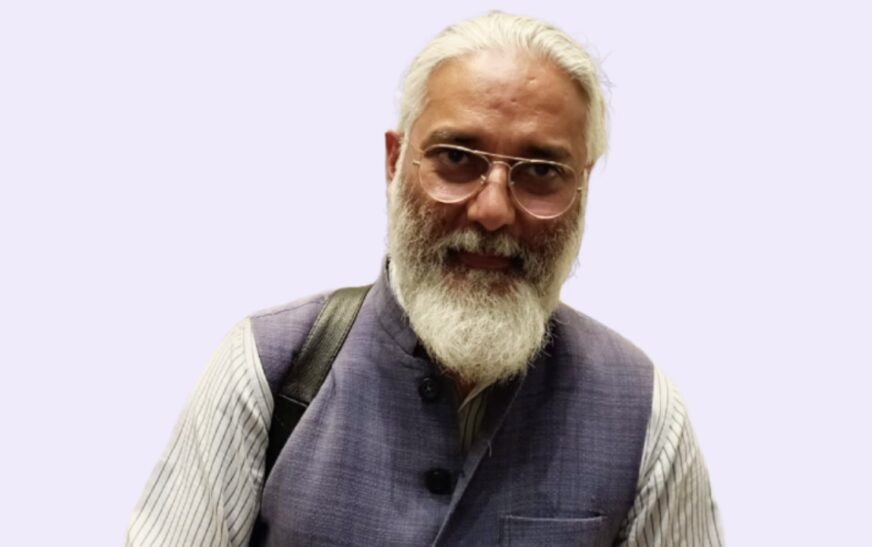
Against this backdrop, The Interview World engaged in an exclusive conversation with Dr. Kaushik Deb, Executive Director of the Energy Policy Institute at the University of Chicago (India), during the 3rd Energy Summit hosted by the Indo-American Chamber of Commerce. Dr. Deb unpacks how AI and blockchain are reshaping renewable energy operations. He emphasizes the power of industry-academia partnerships in driving meaningful innovation. He highlights the Institute’s leadership in steering advancements with global resonance and national relevance. And he underscores the strategies needed to elevate nuclear energy’s share in India’s sovereign energy mix.
Here are the most compelling insights from that discussion.
Q: How can emerging technologies like AI and blockchain be applied in renewable energy to enhance efficiency and optimize operations?
A: The renewable energy sector has advanced so far along the technology learning curve that it now stands as a deeply mature and well-developed industry. What once brimmed with uncertainty and experimentation has stabilized into proven solutions. As a result, the urgency around technology breakthroughs or disruptive innovation, so critical 15 years ago, has diminished considerably.
Today, the conversation has shifted. The emphasis lies squarely on scale, execution, and rapid build-out. Yet, within this drive for expansion, emerging innovations offer fresh opportunities to accelerate progress. Blockchain, in particular, holds enormous promise. By integrating with a sector already dominated by robust and mature technologies, it can streamline growth, enhance transparency, and unlock efficiencies at scale.
In short, renewable energy has reached maturity, but its future hinges on the smart application of innovations that can enable its next great leap forward.
Q: How do you view industry–academia collaboration in driving innovations, and its overall impact on industry growth?
A: In the energy industry, we have witnessed a steady decline in research and development (R&D) investment relative to overall economic activity. This downward trend is deeply concerning. It echoes a stark contrast with the 1970s, when the oil crisis forced the world to confront its vulnerabilities and catalyzed a wave of innovation.
That era proved how crisis can ignite urgency and channel resources into groundbreaking R&D. The energy sector flourished with new ideas precisely because necessity demanded it. Today, we need to rekindle that same intensity. The global energy transition requires no less.
If the 1970s oil shock spurred innovation out of fear, the current climate and sustainability crisis must drive innovation out of foresight. The call for renewed urgency in energy R&D is not optional. It is imperative.
Q: How is the Energy Policy Institute at the University of Chicago (India) driving innovations and R&D to advance energy technologies?
A: The Energy Policy Institute at the University of Chicago operates under the Institute for Climate and Sustainable Growth, a pioneering initiative launched by the university last October. This new school places strong emphasis on cutting-edge areas such as solar radiation management and molecular battery technology, in close collaboration with Argonne National Laboratory.
These domains will sit at the very heart of the global energy transition. For a country like India, they hold immense potential. They not only accelerate its clean energy journey but also create value and assert leadership in shaping future development pathways.
That is why our presence in India is not peripheral. It is central to our mission and indispensable to the broader goals of advancing sustainable growth and innovation.
Q: Given nuclear energy’s limited share in India’s energy mix, what strategies can increase its contribution to meet national targets?
A: India has consistently fallen short of its nuclear energy targets. This underachievement stems partly from domestic constraints and partly from decades of operating under a sanctions regime that effectively isolated our nuclear industry from global collaboration. That legacy has slowed progress.
However, the landscape is shifting. The government of India has now articulated an ambitious plan to triple nuclear energy capacity within the next seven to ten years. This commitment signals intent and urgency. It represents a significant leap forward.
Yet, when viewed against the broader growth of the electricity sector, this expansion remains a modest contribution. For an energy source as clean, efficient, and inherently safe as nuclear, the scale must be far greater. If India truly seeks a sustainable energy future, nuclear power cannot remain a small drop. It must become a defining pillar.








4 Comments
You explained it in such a relatable way. Well done!
This post gave me a new perspective I hadn’t considered.
Keep writing! Your content is always so helpful.
Very relevant and timely content. Appreciate you sharing this.
Comments are closed.