
Ekta Foundation, a Delhi-based trust, champions the cause of affordable, nutritious food for underserved communities. Established just three years ago, it began its journey with SIDBI-supported training for 50 women in the food sector. The initiative has since evolved into a thriving network.
Today, in collaboration with the Jubilant Bhartia Foundation and the M3M Foundation, Ekta Foundation runs six fully operational kitchens across Gurgaon, Noida, and Mohali. These kitchens empower 250 women from self-help groups, transforming them into skilled food entrepreneurs. Every day, the foundation delivers 40,000 hygienic, culturally familiar meals to labourers and corporate employees. Its clientele includes industry leaders such as Godrej Properties, Hero Homes, Shapoorji Pallonji, and M3M India.
Nutrition, quality, and respect for regional tastes define culinary approach of Ekta Foundation. Driven by this ethos, Ekta Foundation now seeks to replicate its women-led kitchen model across major cities nationwide.
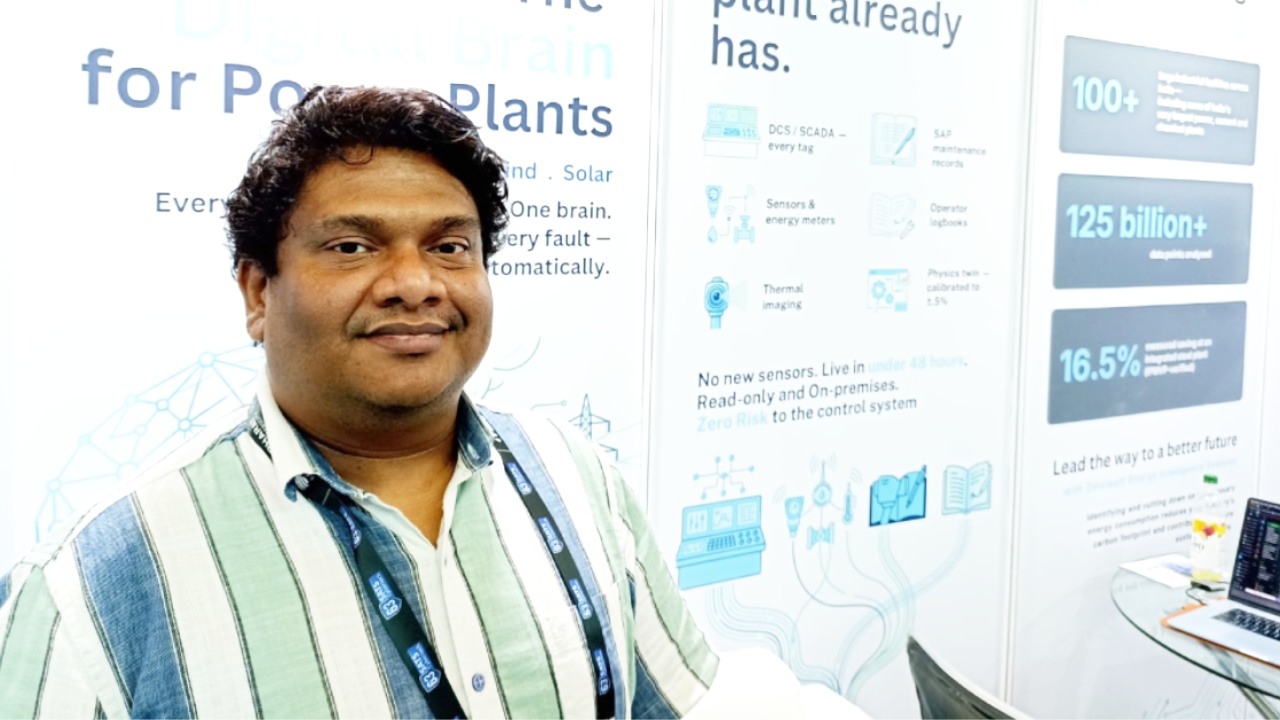
In an exclusive interaction with The Interview World at the Global Food Processing Annual Summit—hosted by the Knowledge Chamber of Commerce and Industry—Subrat Mishra, Director of Ekta Foundation, detailed the organisation’s flagship initiatives. He revealed the scale of SHG involvement in food preparation, outlined expansion plans to extend access to affordable cooked food, and explained how the foundation safeguards minimum nutrition standards.
Here are the most compelling insights from that conversation.
Q: Could you elaborate on the flagship initiatives of the Ekta Foundation and the tangible impact they are creating within the social sector?
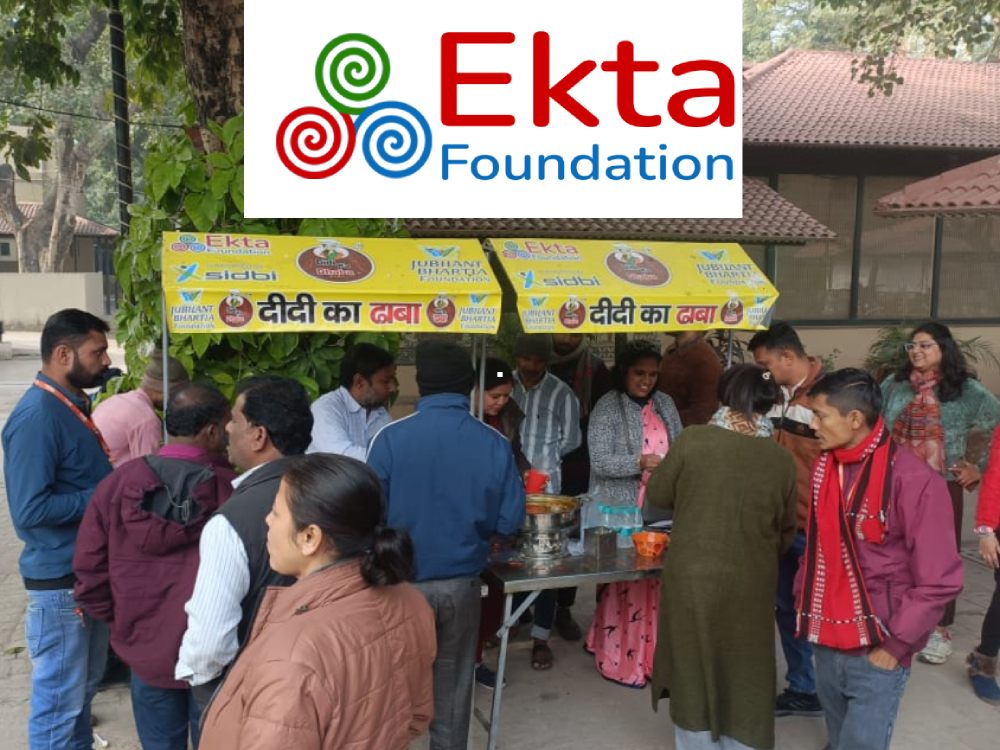
A: For the past three years, Ekta Foundation has been driving a mission to make nutritious, affordable meals accessible to underserved communities. The journey began with a modest grant from SIDBI – Small Industries Development Bank of India – to train 50 women in the food sector. Training came first. Then came the vision: build a kitchen, prepare fresh meals, and set up food stalls across Delhi. The goal was clear—create livelihoods while feeding people well.
Our first major breakthrough came when the Jubilant Bhartia Foundation offered us a cloud kitchen with a capacity of 5,000 meals a day. Women from our training program took charge of cooking wholesome staples—rajma chawal, chole chawal, and kadhi chawal—served at just ₹10 or ₹20 a plate. These stalls operated in Uttam Nagar and nearby areas, providing lunch to daily-wage earners. We also ran stalls at exhibitions and government events, including SIDBI-supported programs.
The next leap came with the M3M Foundation, the philanthropic arm of M3M India. They had been sourcing meals for their labour force through external vendors. We proposed a better idea—train women from the labour colonies themselves, form self-help groups (SHGs), and set up kitchens they could own and operate. The model clicked. It created jobs, built skills, and ensured meals came from within the community.
Today, that model has scaled to six kitchens—three in Gurgaon, two in Noida, and one in Mohali—producing 40,000 meals every day. These are more than just kitchens; they are women-led enterprises that feed thousands while transforming lives.
Q: How many Self-Help Group (SHG) members are currently engaged in food preparation activities?
A: We have established SHG groups for two of our kitchens, each engaging 20 women. Across all six kitchens, our total workforce now stands at 250 women. Together, they prepare and serve 40,000 meals a day—covering breakfast, lunch, and dinner.
Our client base includes prominent names such as Godrej Properties, Hero Homes, Shapoorji Pallonji, and M3M India. For them, we deliver wholesome, affordable meals rooted in familiar flavours. Staples like rajma chawal, chole chawal, and kadhi chawal form the core of our menu. Some corporates request additional items—mixed vegetables, pickles, jaggery, and other accompaniments—which we happily provide.
We operate with two pricing models. The first offers meals below ₹20, catering primarily to daily-wage earners. The second, priced at ₹40, includes enhanced menu options for corporate requirements. In every case, the food is fresh, hygienic, and designed to nourish without compromising on taste or affordability.
Q: What are your future plans to expand access to affordable cooked food?
A: Our vision is to scale this kitchen model to every major city in India. The concept is straightforward yet powerful. We will prepare affordable, wholesome meals through women-led kitchens and deliver them directly to sectors with large employee or labour populations.
The construction industry remains our immediate focus, given its high concentration of workers. However, we also see significant potential in sectors such as textiles, where thousands of employees work in concentrated hubs. Beyond these, we are actively engaging with corporates, call centres, and other high-density workplaces to supply them with nutritious, cost-effective meals.
By combining community empowerment with efficient food delivery, Ekta Foundation aims to create a nationwide network of kitchens that nourish both livelihoods and lives.
Q: Given the nutritional needs of hardworking labourers, how does Ekta Foundation ensure that cooked food meets minimum nutrition standards?
A: At Ekta Foundation, we follow a strict, standardised process to ensure every meal meets quality and safety benchmarks. Our team includes experts from IHM and qualified food technologists. Together, they implement a detailed Standard Operating Procedure covering the handling of raw materials, cooking processes, and food storage. Nothing is left to chance.
For migrant workers and low-income communities, access to clean, nutritious food is a persistent challenge. Most depend on roadside dhabas or makeshift stalls, where prices are often high, hygiene standards are low, and FSSAI certification is absent. In Delhi NCR, this problem is particularly acute.
Our mission is to transform the affordable food segment by offering not only hygienic and high-quality meals, but also culturally familiar dishes that reflect the origins of the people we serve. Many labourers here come from Odisha, Bihar, Jharkhand, and West Bengal. We recognise their longing for the tastes of home. So, beyond the typical roti-sabzi combination, we serve region-specific favourites like murmura with chana dal—locally called moori—which has become a hit.
We diversify the menu further with dalia, millet khichdi, poha, and suji upma, ensuring variety and nutritional balance. By doing so, we move beyond the narrow perception that affordable food means only roti-sabzi. We experiment, innovate, and adapt the menu to suit both taste and tradition, while keeping every meal wholesome and budget-friendly.