

Combating hepatitis in India demands a comprehensive and strategic approach rooted in prevention, timely diagnosis, equitable access, and technological innovation. Despite the critical role of awareness and early detection, a large segment of the population remains unaware of their infection until serious complications emerge.
To reverse this trend, India must rapidly expand preventive measures. These include mass vaccination campaigns, safe medical practices, and sustained public health education. At the same time, scaling up technological interventions—such as point-of-care diagnostics, telemedicine, and integrated digital health records—can revolutionize early detection and ensure continuity of care, particularly in underserved rural regions.
However, disparities in access persist. Quality care remains concentrated in urban hubs, leaving rural communities vulnerable. While government initiatives like Ayushman Bharat have improved healthcare affordability, high out-of-pocket costs continue to deter timely treatment for many.
India must now double down on strengthening its primary healthcare infrastructure. This includes accelerating the deployment of digital health solutions and ensuring the widespread availability and affordability of life-saving antivirals and diagnostics. Eliminating hepatitis as a public health threat will require a coordinated effort—uniting policymakers, healthcare professionals, and communities around a shared mission.
In an exclusive interaction with The Interview World during the Illness to Wellness Awareness Conference on Prevention, Diagnosis, and Treatment for Hepatitis, hosted by the Illness to Wellness Foundation, Dr. Manik Sharma, Director of the Department of Gastroenterology at Max Healthcare, shares critical insights. He outlines effective prevention strategies, addresses the growing burden of fatty liver disease, and highlights the transformative role of disruptive technologies in managing hepatitis. Dr. Sharma also underscores the importance of accessible and affordable healthcare for early detection and treatment.
Here are the key takeaways from his compelling conversation.
Q: What are the most effective ways to prevent hepatitis?
A: In today’s age of preventive healthcare, routine blood screening for hepatitis should be an integral part of annual or biannual health check-ups. This test is simple, inexpensive, and widely available. With just one blood test, you can determine whether you are living with hepatitis—often long before symptoms appear.
This single step can shape your path forward. If the test returns positive, effective and accessible treatment options are readily available. If negative, it opens an opportunity to focus on prevention and protecting your liver health long-term.
Crucially, avoiding future liver diseases must become a priority. One major concern is fatty liver disease, which has emerged as a widespread threat in the modern lifestyle. Early awareness and proactive monitoring can make all the difference in staying ahead of such silent conditions.
Q: How can individuals effectively manage fatty liver disease, which is increasingly common in the population today?
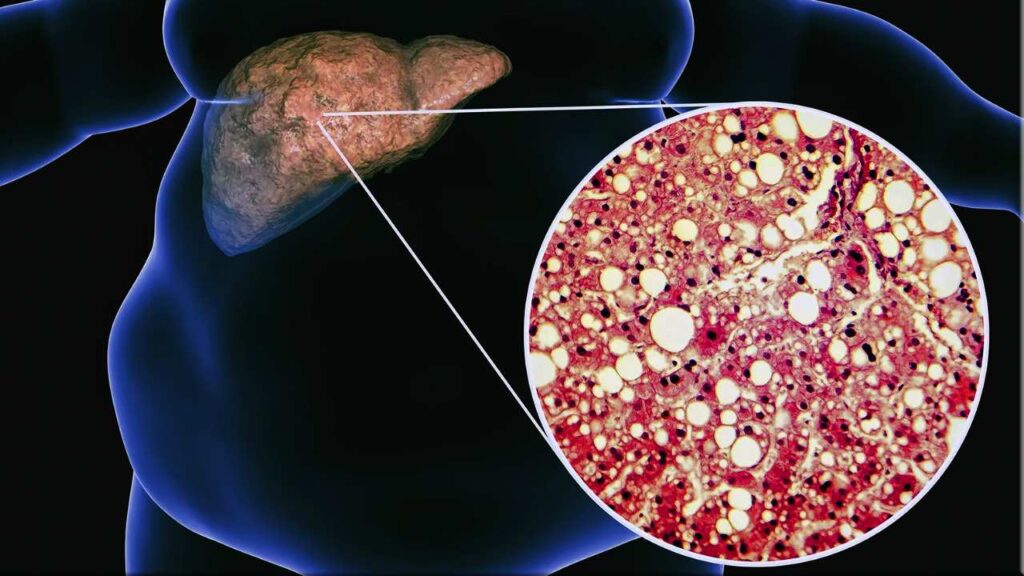
A: Fatty liver disease represents a broad-spectrum condition that affects far more than just the liver. It impacts multiple organs—including the heart, lungs, and kidneys—making it a systemic health concern rather than a liver-specific issue. At its core, fatty liver is a disease of excess.
The condition typically arises from consistent overconsumption—of calories, alcohol, or both. When the body takes in more than it can process, fat begins to accumulate in the liver, triggering a cascade of health complications.
However, the good news is that fatty liver disease is largely preventable. By practicing moderation in diet, alcohol intake, and maintaining a regular exercise routine, you can significantly reduce your risk. A balanced lifestyle remains the most effective safeguard against the progression and complications of this increasingly common condition.
Q: How do you see disruptive technologies contributing to the prevention, diagnosis, or treatment of hepatitis?
A: Technology is poised to revolutionize this space—and not a moment too soon. Given the staggering volume of cases, traditional diagnostic methods simply can’t keep up. We must bring diagnostics to the point of care.
Imagine a scenario where a residential welfare association wants to launch a screening initiative. The tools must reach people where they live—right at their doorstep. That’s the direction we need to move in.
Today’s discussion centred on exactly that. We explored advancements like fibroscan tests and specific blood diagnostics that can swiftly and accurately assess liver fibrosis or damage. These innovations represent a significant leap forward.
The shift is already underway. Technology is advancing rapidly, and we’re on the brink of making doorstep diagnostics a reality. If current trends continue, these tools will become widely accessible within the next few years.
Q: With rising fear and awareness around hepatitis, how critical is it to ensure accessible healthcare services for early detection and treatment?
A: I want to reassure everyone—there’s no longer any reason to be afraid. The fear surrounding hepatitis is outdated. Today, effective drugs and reliable treatments are readily available.
What truly matters now is timely diagnosis and greater awareness. The more informed you are about your liver health, the easier it becomes to manage the condition—and often without serious complications.
So, if you’re diagnosed with hepatitis, don’t panic. With the right care, you can move forward with confidence and control.
Q: How can healthcare systems address the high cost of hepatitis treatment to ensure broader access?
A: The cost of hepatitis treatment has dropped dramatically compared to a decade ago. In fact, when you compare it to the long-term expenses of managing conditions like hypertension or diabetes, hepatitis treatment is now significantly more affordable.
Today, it no longer carries the financial burden it once did. The price of medication has become far more accessible—even lower than many common chronic disease treatments. A quick search on pharmaceutical websites confirms this shift: the cost of hepatitis drugs is now well within reach for the average person.
In short, affordability is no longer a barrier. Treatment is not only effective but also economically viable for the common man.