


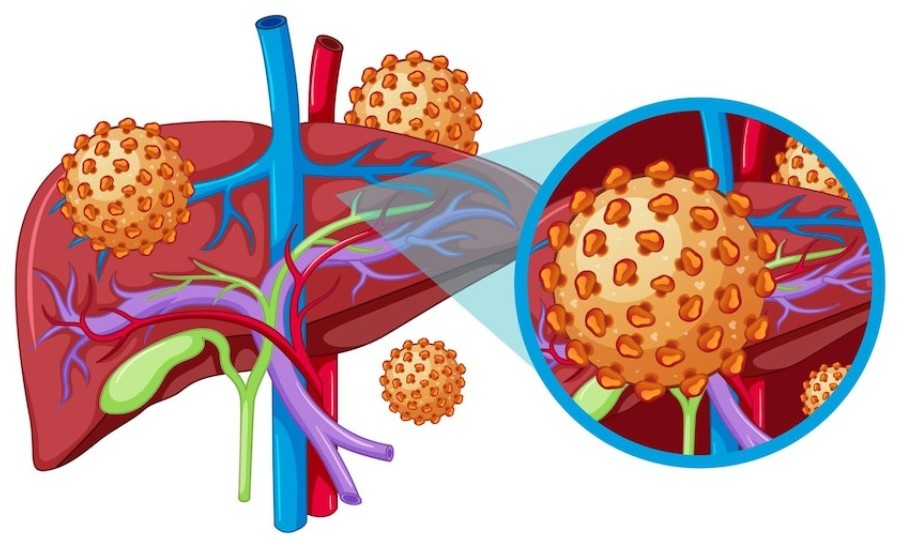
India faces a pressing public health emergency—viral hepatitis, a silent but deadly threat impacting millions. Despite being both preventable and treatable, hepatitis B and C continue to claim countless lives. The primary culprits? Delayed diagnosis, inadequate awareness, and limited access to timely care. Alarmingly, over 40 million Indians live with hepatitis B, while an estimated 6 to 12 million carry hepatitis C.
Prevention must be our frontline defence. Universal newborn vaccination, stringent blood screening, safe injection practices, and improved sanitation form the bedrock of effective control. But prevention alone isn’t enough. We must also dismantle the stigma surrounding hepatitis through widespread education and sustained community engagement.
The government’s Hepatitis Control Programme marks a commendable start. However, to meet the WHO’s target of eliminating hepatitis by 2030, India must intensify its efforts. Stronger public-private partnerships, grassroots mobilization, and policy-level alignment are essential.
The call to action is clear: get tested, get vaccinated, and spread awareness. Every life saved from hepatitis brings us closer to a healthier, safer India.
In an exclusive conversation with The Interview World during the Illness to Wellness Awareness Conference on Prevention, Diagnosis, and Treatment for Hepatitis—hosted by the Illness to Wellness Foundation—Dr. (Prof.) Anil Agarwal, Head of Gastrointestinal Surgery at Govind Ballabh Pant Institute of Postgraduate Medical Education & Research, Government of NCT of Delhi, delivered a powerful public message. He urged immediate action against hepatitis, emphasized measures to safeguard healthcare workers from exposure, dissected India’s critical challenges in combating the disease, and called for coordinated, multi-stakeholder initiatives to make treatment more affordable and accessible.
Here are the most impactful takeaways from his compelling insights.
Q: What message would you like to convey to the global public to raise awareness and encourage action against hepatitis?
A: The key message for the common man is simple yet vital: adopt healthy practices to reduce your risk of contracting hepatitis. While some risk factors remain beyond individual control, there’s much you can do—especially when it comes to hepatitis A and E, which spread through the orofecal route. Maintaining proper sanitation, practicing good personal hygiene, and consuming safe, clean food and water are essential preventive measures.
For hepatitis B and C, which transmit primarily through blood and bodily fluids, vigilance is equally crucial. Safe sexual practices, avoiding intravenous drug use, and ensuring sterile equipment during procedures like tattooing or body piercing can significantly lower your risk. Always insist on clean, uncontaminated needles and instruments.
Early diagnosis is another critical step. Knowing whether you have hepatitis B or C allows you to act before the disease progresses to a chronic stage. The good news is that hepatitis C is now curable with effective antiviral treatments. Hepatitis B, while not yet curable, is preventable through timely immunization. However, it’s not enough to simply receive the vaccine—you must also check your antibody levels. If your body hasn’t produced enough protective antibodies, you remain vulnerable. Regular testing ensures your immunization is actually effective.
Additionally, during pregnancy, comprehensive testing is vital to protect both the mother and the unborn child. Preventive screening and proper medical care can avert vertical transmission of the virus.
In short, prevention begins with awareness and action. Simple lifestyle choices and proactive healthcare can make a life-saving difference.
Q: Given that healthcare workers face a heightened risk of hepatitis exposure, what measures should be taken to ensure their protection and safety?
A: One critical point deserves emphasis: healthcare workers face elevated risk. They are not only vulnerable to needle-stick injuries but also to exposure through mucosal surfaces when they come into contact with contaminated body fluids—especially blood. This dual pathway of transmission significantly heightens their susceptibility.
Therefore, proper immunization is non-negotiable. Healthcare professionals must receive the necessary vaccinations and ensure that they develop adequate antibody protection before entering high-risk environments. This is essential—not optional—for their safety and for the safety of those they serve.
In short, protecting healthcare workers through timely and effective immunization must remain a top priority in any healthcare setting.
Q: What are the key challenges India is currently facing in combating hepatitis?
A: India faces complex and varied healthcare challenges—unsurprising for a nation of such vast scale and diversity. As Rajesh Bhushan, former Health Secretary, rightly pointed out, these challenges span multiple dimensions: affordability, accessibility, and the uneven availability of diagnostic and treatment facilities across regions.
Crucially, affordability remains a major barrier. Even when treatment exists, many patients or their families are unable to access it simply because the cost is beyond their reach. This economic constraint further exacerbates health disparities across the country.
To address these gaps, the government launched several key initiatives, notably the Ayushman Bharat program in 2018 and the Universal Immunization Programme, which focuses on newborn and child health. These efforts represent important strides. Yet, the data shared today tells a sobering story—only about 63% of the population is covered by immunization, roughly two-thirds. Clearly, our goal must be full coverage. Every child, and ultimately every citizen, should be protected.
However, achieving this goal requires overcoming additional barriers. Take diagnostics, for instance. For hepatitis B patients, advanced testing such as HPV DNA analysis often remains unaffordable. These specialized investigations are crucial for accurate treatment planning but are out of reach for many.
Therefore, we must act—both as a government and as a society—to ensure equitable access to diagnostics and treatment for all. As highlighted by the WHO, 90% of patients globally now have access to available treatment options, whether through antiviral medications or necessary surgical interventions. India must aim to match and surpass this benchmark.
Universal healthcare cannot remain an aspiration. It must become our collective commitment.
Q: What coordinated actions should major stakeholders take to make hepatitis treatment more affordable and accessible to all?
A: The government has already initiated efforts similar to those seen during the rollout of antiretroviral therapy (ART) for HIV treatment and the National Viral Hepatitis Control Program in 2018. These initiatives appear to have embedded several foundational elements that can be leveraged today. What’s essential now is to significantly expand the reach of these programs—particularly in delivering this specific segment of treatment to underserved regions.
Looking ahead, additional surgical and therapeutic modalities must also be integrated. However, this represents a broader and more complex challenge—one that demands a parallel upgrade of the nation’s overall healthcare infrastructure. Strategic expansion and systemic improvement must go hand in hand to ensure sustainable, equitable access to care.







2 Comments
Thanks for addressing this topic—it’s so important.
This gave me a whole new perspective. Thanks for opening my eyes.
Comments are closed.